A Performative Existence: The Allure of the Circus
Several young Australians are charting unconventional career paths, eschewing traditional schooling for the itinerant, often demanding, world of circus performance. These individuals, some having grown up within circus families and others drawn to the spectacle from a young age, are finding fulfillment beneath the big top. Their journeys highlight a deliberate choice to pursue a life less ordinary, characterized by rigorous training and constant movement.
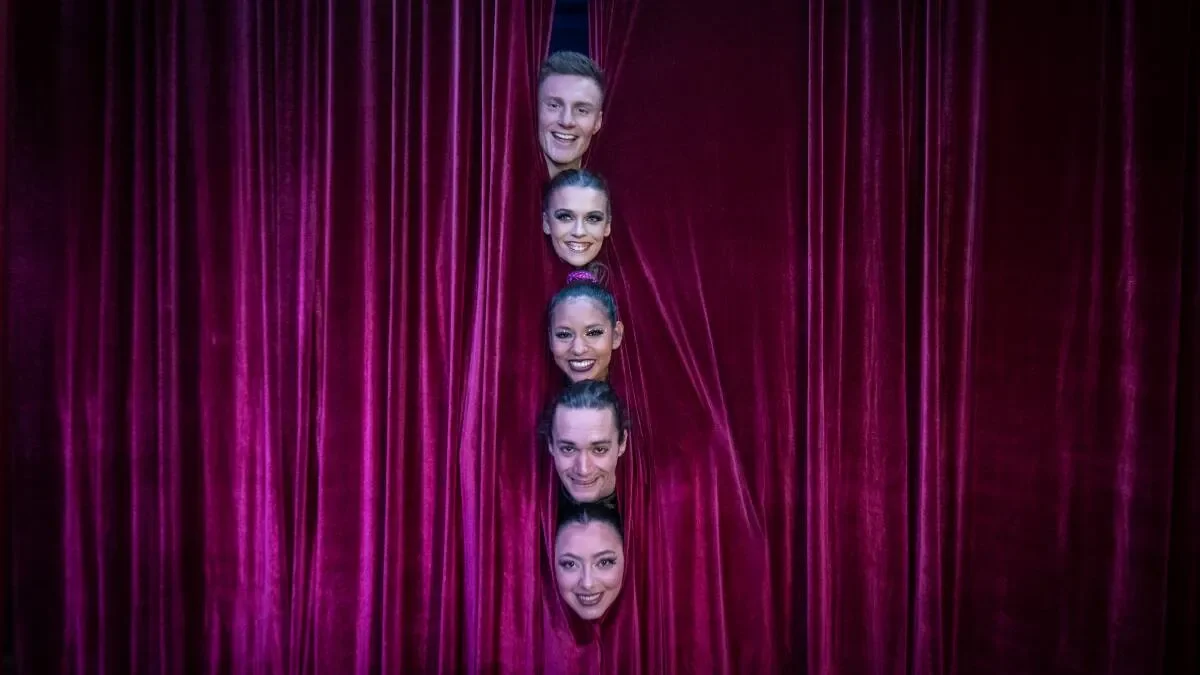
The pathways into this niche profession vary. For some, like the West cousins, circus life is an inherited legacy. Raised within the Stardust Circus environment, their childhood was intrinsically linked to performance, the circus tent a familiar backdrop to their formative years. This immersion appears to foster a unique upbringing, where education itself is sometimes adapted to a nomadic lifestyle, with travelling school trucks mentioned as a method of instruction for those on the road.
Read More: What guests notice when entering your home in April 2026
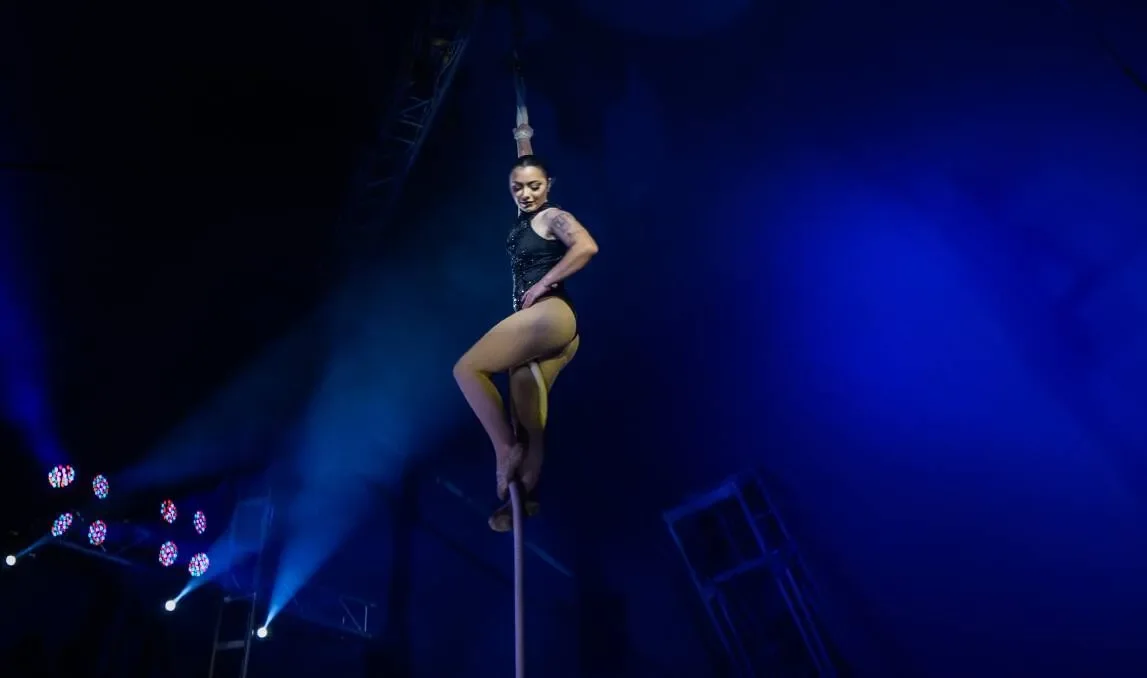
Others, like the individual described in the Now to Love report, discovered their passion at a younger age, initiating circus classes around eight years old. This early engagement, coupled with a commitment to formal training – including attendance at an elite circus school in Montreal, Canada – underscores the dedication required. The pursuit of circus arts is presented not merely as a hobby but as a serious vocational aspiration, often necessitating significant travel and specialized education beyond conventional schooling.
The Drive to Perform
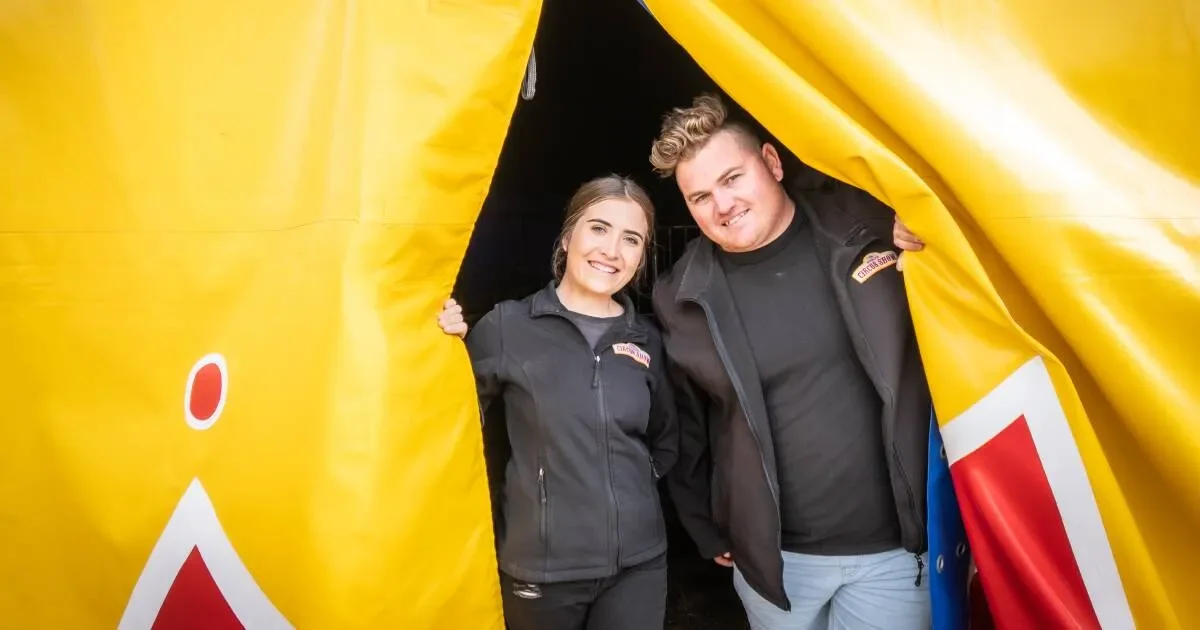
The narrative of choosing the circus over a more conventional trajectory is further illustrated by individuals like Mr Harrington. His path involved stepping into a performing role unexpectedly when a family circus faced a staffing gap. This experience, alongside a period of driving for the circus, apparently solidified his desire to be on stage, indicating a pull towards the theatrical aspect of circus life that transcends practical duties. The satisfaction derived from performing for familiar audiences, as mentioned by a participant, suggests a powerful connection to community and recognition through their art.
Read More: Analyst Role Explained: Data, Finance, Business Roles
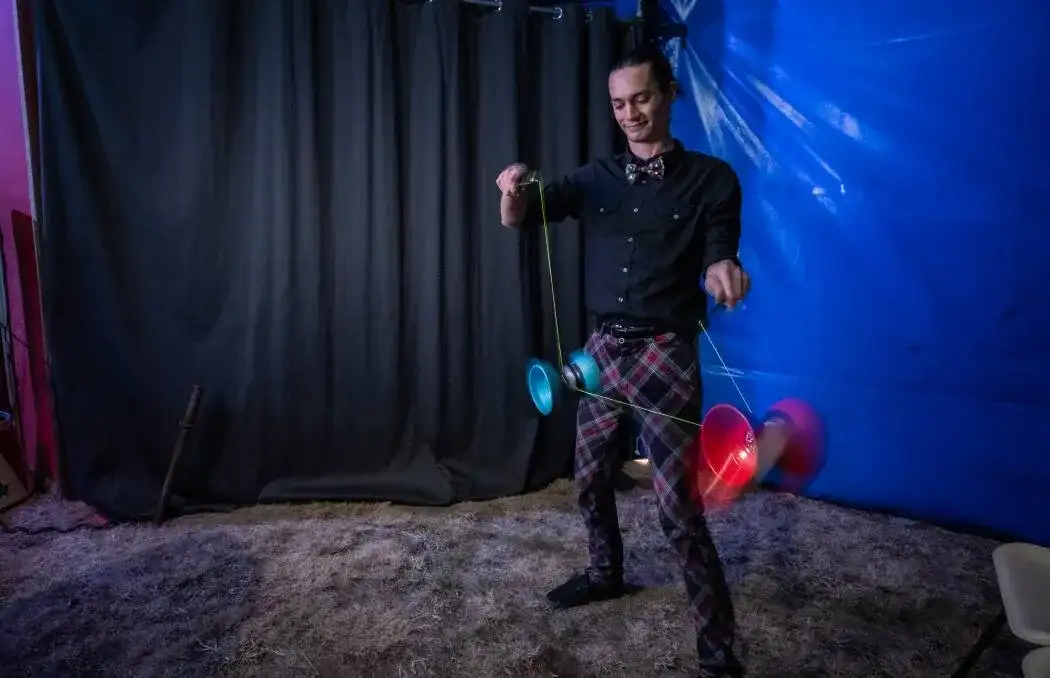
Meanwhile, Nelson Smyles exemplifies a more formal, contemporary route into high-level circus arts. His journey from small-town gymnastics to training at the National Institute of Circus Arts (NICA) and ultimately receiving an offer from Cirque du Soleil points to a structured pathway within the industry. NICA is framed as a crucial "stepping stone," suggesting an evolving professional landscape where specialized institutions cater to aspiring circus artists. The realization of this dream, as described by Smyles, was a profound moment, only fully dawning after his initial performance.
Shifting Realities and Personal Fulfillment
The accounts suggest a profound personal fulfillment associated with this lifestyle. For Mr Harrington, the return to performing after practical work like transporting mattresses represents a reclamation of his artistic aspirations. Similarly, the idea of "living his dream" resonates across these narratives, indicating a strong sense of purpose and self-actualization found in their chosen profession. This is a life lived not just in the circus, but seemingly as the circus.
Read More: Cliff Richard's Private Life: Public Still Asks About His Sexuality