


As of 17/05/2026, the dialectic between theistic frameworks and atheistic inquiry remains locked in a loop of epistemic friction. Public discourse, observed across recent digital forums and podcasts like Yasir Janjua’s recent session with Dr. Sufyan, focuses on the fundamental impasse: the burden of evidence versus the attribution of necessity.
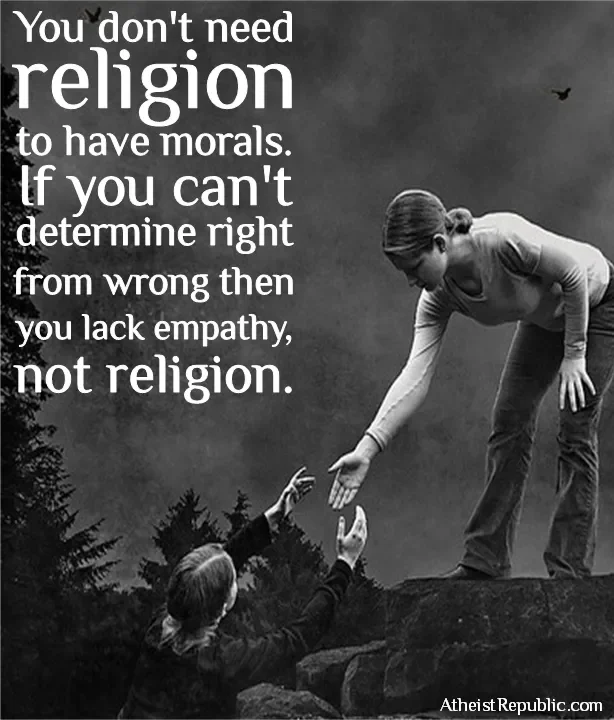
The core tension lies in the definition of reality itself: theist arguments rely on the premise that attributes (such as Samad, or self-sufficiency) necessitate a Creator, while atheistic critique argues that lack of verifiable evidence renders the deity an unnecessary hypothesis.

Comparative Analytical Framework
| Argument Axis | Theistic Position (Foundational) | Atheistic Position (Critical) |
|---|---|---|
| Evidence | Divine attributes constitute proof. | Belief is not a substitute for data. |
| Morality | Morality derives from Divine criteria. | Inequality and divine rules seem culturally arbitrary. |
| Existentialism | Without God, life lacks ultimate consequence. | Absence of God does not negate existence. |
| Manifestation | God is felt or revealed through logic/faith. | Demand for direct, verifiable manifestation. |
The Theistic Inversion
Theists often frame the debate by questioning the motive of non-belief. If there is no God, theistic arguments suggest, the subsequent absence of an afterlife renders moral or ethical discussion functionally void. The argument relies on the assertion that:
Read More: Why the New Atheism movement lost public influence by April 2026
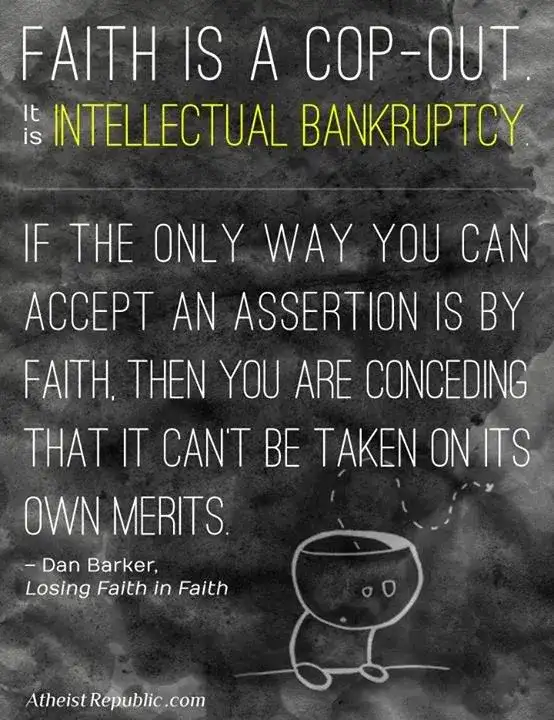
Every existing thing is contingent; therefore, an uncaused cause must exist.
Divine attributes, such as perfection and independence, provide an infinite set of logical proofs.
The skepticism of the atheist is a starting point for dialogue rather than an objective conclusion.
The Atheistic Critique
Conversely, contemporary atheistic inquiry focuses on the inconsistency of divine behavior and the reliance on subjective belief. Skeptics argue:
Truth is not a democratic process or a subjective preference; it exists independent of human validation.
Institutionalized inequality and culturally specific religious rules contradict the claim of a universal, benevolent creator.
If a deity is perfect and self-sufficient, the requirement for human worship—and the punishment for lack of belief—appears as a logical contradiction.
Contextual Background
This discourse has intensified following various compilations of questions published in 2025. While theists continue to utilize classical ontological arguments—such as the "first cause"—to anchor their worldview, the secular shift emphasizes the scientific demand for evidence that persists regardless of cultural or religious background.
The divide remains asymmetric: one side views the universe as a design requiring a designer, the other views the same reality as a collection of phenomena waiting for an explanation that does not rely on unverifiable entities.


