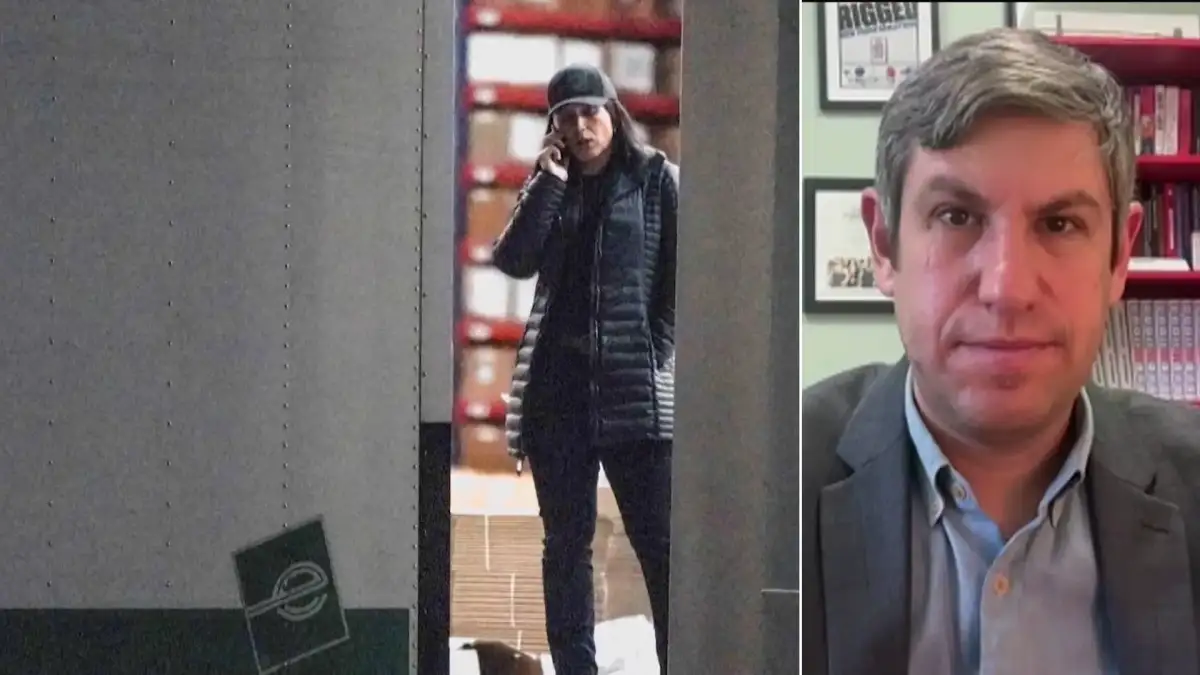
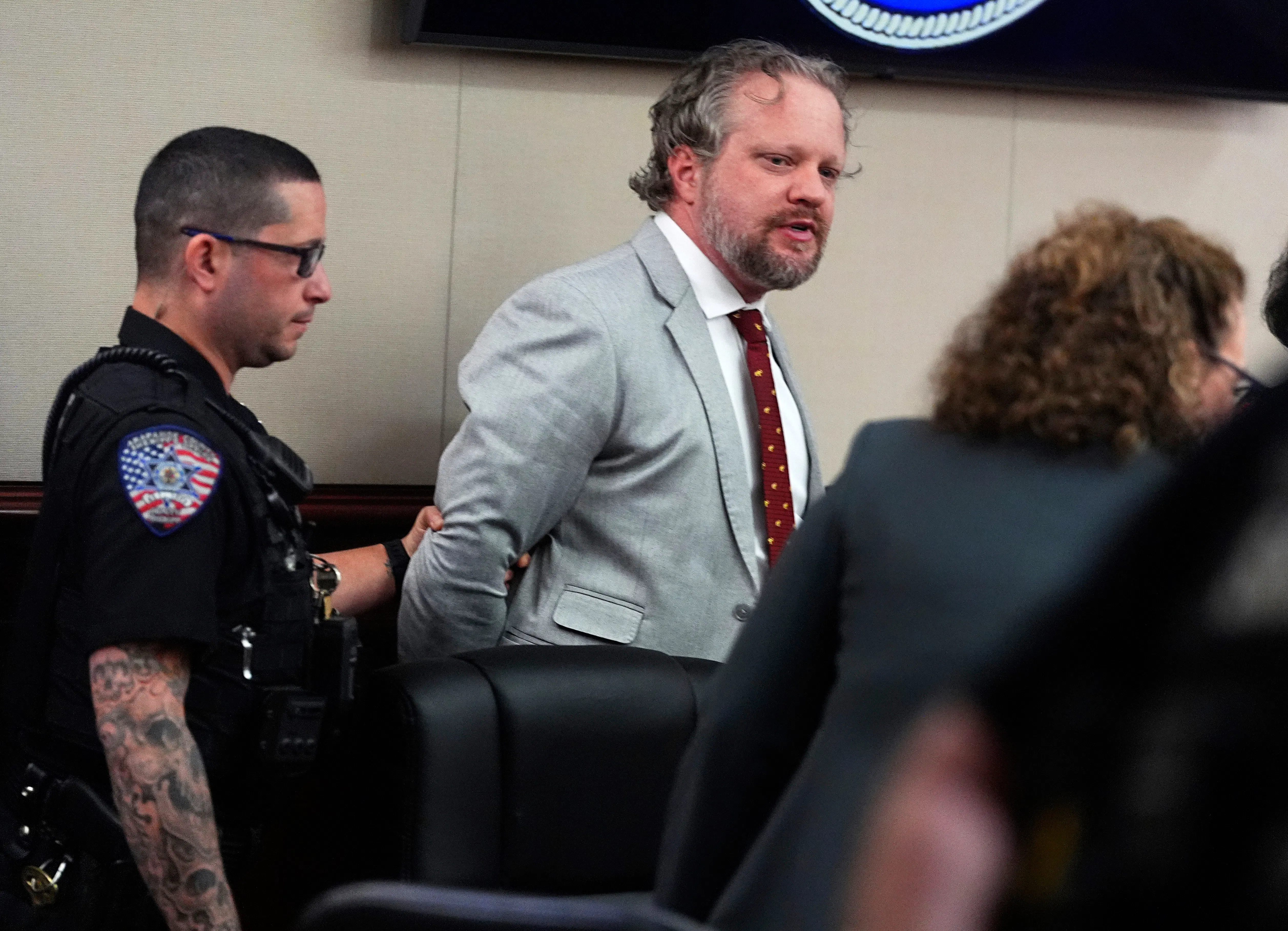
On May 15, 2026, Colorado Governor Jared Polis granted clemency to former Mesa County Clerk Tina Peters, effectively cutting her prison term from eight years and nine months to four years and 4.5 months. This decision makes Peters eligible for parole starting June 1, 2026.

The core shift moves a polarizing figure from incarceration toward release, sidestepping a full pardon while significantly curtailing a state-mandated sentence.

Structural Mechanics of the Decision
The governor’s intervention follows an April ruling by the Colorado Court of Appeals, which indicated that the initial sentencing was partially flawed due to an improper weighing of the defendant’s free speech protections.
Legal Standing: The action is a commutation, not a pardon. Peters retains her criminal record.
Official Friction: The move isolates Polis from key members of his own party. State Attorney General Phil Weiser and Secretary of State Jena Griswold—both instrumental in the prosecution—had explicitly lobbied against any reduction in the sentence.
Public Signaling: Polis has publicly vacillated on the matter since March, citing both a desire for the appellate process to conclude and an interest in whether Peters would express remorse for her actions.
| Aspect | Status |
|---|---|
| Original Term | ~8.75 years |
| Revised Term | ~4.3 years |
| Parole Eligibility | June 1, 2026 |
| Pardon Status | Denied |
Background and Institutional Context
Tina Peters was convicted for her role in a security breach involving Mesa County election equipment. The incident involved the use of an unauthorized security badge to grant outside access to internal systems, a move Peters defended as a necessary investigative effort to expose fraud.
Read More: Taiwan Holds Nantou County Drills to Prepare for State Collapse

Throughout her legal proceedings, the case became a flashpoint for national discourse. While Peters maintained support from segments of the Republican base—including public calls for her release from federal leadership—critics argued that her continued lack of remorse necessitated the full duration of her original sentence. By shortening the term, Polis has avoided a direct collision with the judicial finding of "improper consideration" while simultaneously generating internal backlash regarding the normalization of election-related security breaches.