A ship anchored off the United Arab Emirates was seized and directed towards Iran, while another cargo vessel near Oman sank following an attack. These events, occurring on Thursday, mark a significant escalation in tensions in the vicinity of the Strait of Hormuz, a crucial artery for global energy shipments.
Iran's judiciary spokesperson stated that Iran possesses the "legal and judicial right to seize oil tankers in the strait that are connected to the U.S." The spokesperson, speaking to the state-owned Iran Daily newspaper, alleged that the U.S. has "violated international maritime laws and committed piracy." The seized tanker was reportedly carrying Iranian oil and was taken to Iran’s southern coast. The UK Maritime Trade Operations (UKMTO) spotted the vessel heading towards Iranian territorial waters. Authorities have not yet released details regarding the ownership of the seized ship or the identities of those responsible for its seizure.
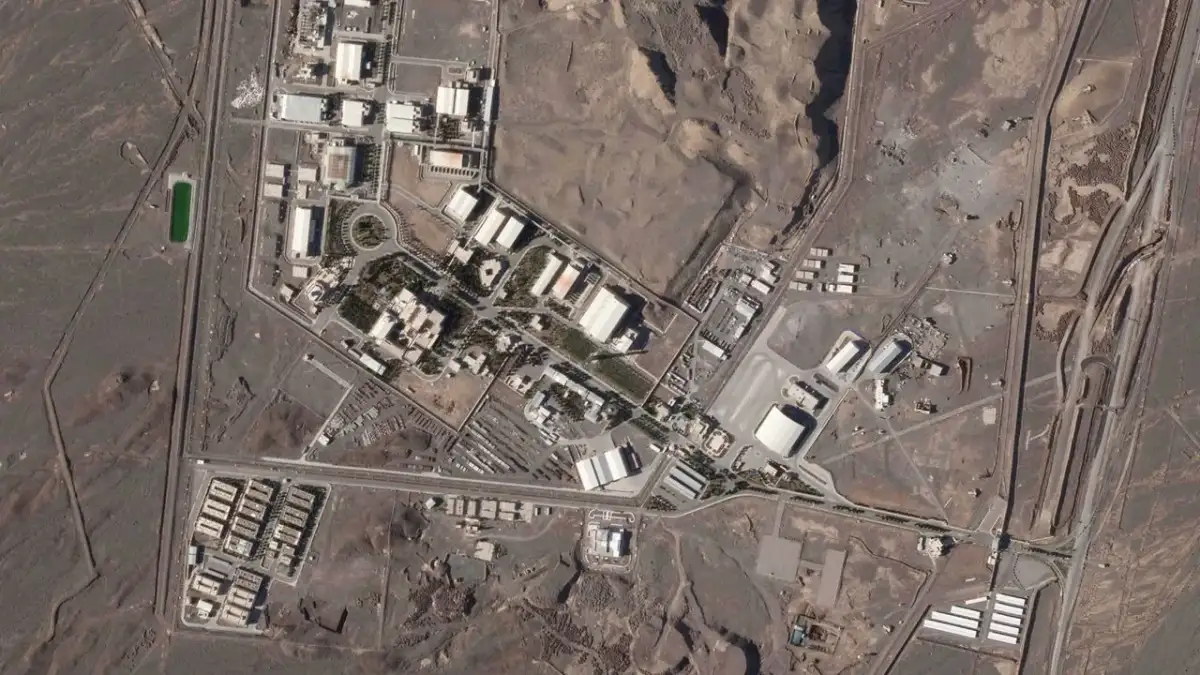
Read More: Iran Zagros Mountain Nuclear Site Construction Update April 2026
Diplomatic Currents and Regional Friction
Concurrently, in Beijing, U.S. President Donald Trump and Chinese President Xi Jinping reportedly agreed that the Strait of Hormuz "must remain open." This accord between two global powers occurred as discussions around regional stability and transit through the vital waterway were underway. U.S. Secretary of State Marco Rubio, however, indicated that Trump did not solicit China's assistance concerning Iran during the summit.
Meanwhile, Hezbollah reportedly conducted a drone strike that wounded several Israeli civilians on Thursday. This incident preceded U.S.-brokered talks between Israel and Lebanon scheduled to commence in Washington. Iranian state television has featured analysts suggesting involvement from the UAE in recent attacks against Iran.
Background: A Precarious Chokepoint
The Strait of Hormuz, a narrow passage between Iran and Oman, is indispensable for international trade and the flow of global energy resources. Any disruption in this chokepoint triggers immediate concerns among governments and shipping entities regarding safety, insurance expenses, and the dependability of supply lines essential for economies worldwide. Iran has also outlined five conditions for re-engaging in talks with the United States, including reparations for war and acknowledgment of Iran's sovereignty over the Strait of Hormuz, according to the semiofficial Fars news agency.
Read More: Gulf Oil Exports Rise in June but Still Below Pre-War Levels