ISLAMABAD - Preparations for potential US-Iran peace talks in Islamabad remain shrouded in uncertainty, as Iran continues to issue contradictory statements regarding its participation. The situation is further complicated by the recent US seizure of an Iranian-flagged cargo ship near the Strait of Hormuz, an act Iran has decried as a violation of a fragile ceasefire and a precursor to retaliation.
The core tension lies in Iran's wavering commitment to negotiations, juxtaposed against the US's stated intention to send a delegation. This ambiguity, exacerbated by escalating actions like the ship seizure, casts a significant shadow over the prospect of de-escalation in the region.

US President Donald Trump has announced the dispatch of negotiators to Islamabad for potential discussions. However, Iranian officials have simultaneously stated they have "no plans for the next round" of talks and that Iran will not accept negotiations "under the shadow of threat." Parliament Speaker Mohammad Bagher Ghalibaf explicitly articulated this stance, indicating Iran's unwillingness to engage while under duress. This has led to confusion, with reports suggesting a US delegation is proceeding amid this unclear Iranian position.
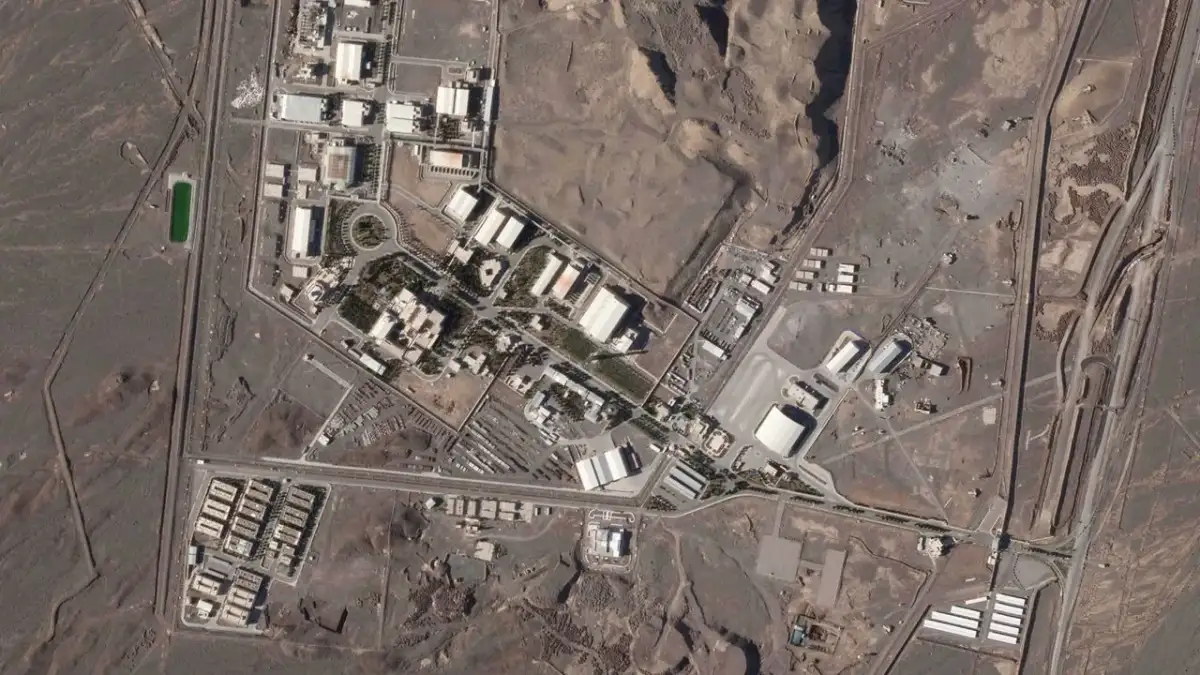
Read More: Iran Zagros Mountain Nuclear Site Construction Update April 2026
The seizure of the Iranian cargo vessel, reportedly en route from China to an Iranian port, occurred on April 19th as part of an ongoing US naval blockade. Iran has accused the US of violating the ceasefire with this action and has vowed retaliation. The US, meanwhile, has framed the seizure as a consequence of the ship defying the blockade. This incident has intensified existing tensions, which had already seen both sides accusing each other of ceasefire violations following an earlier truce.
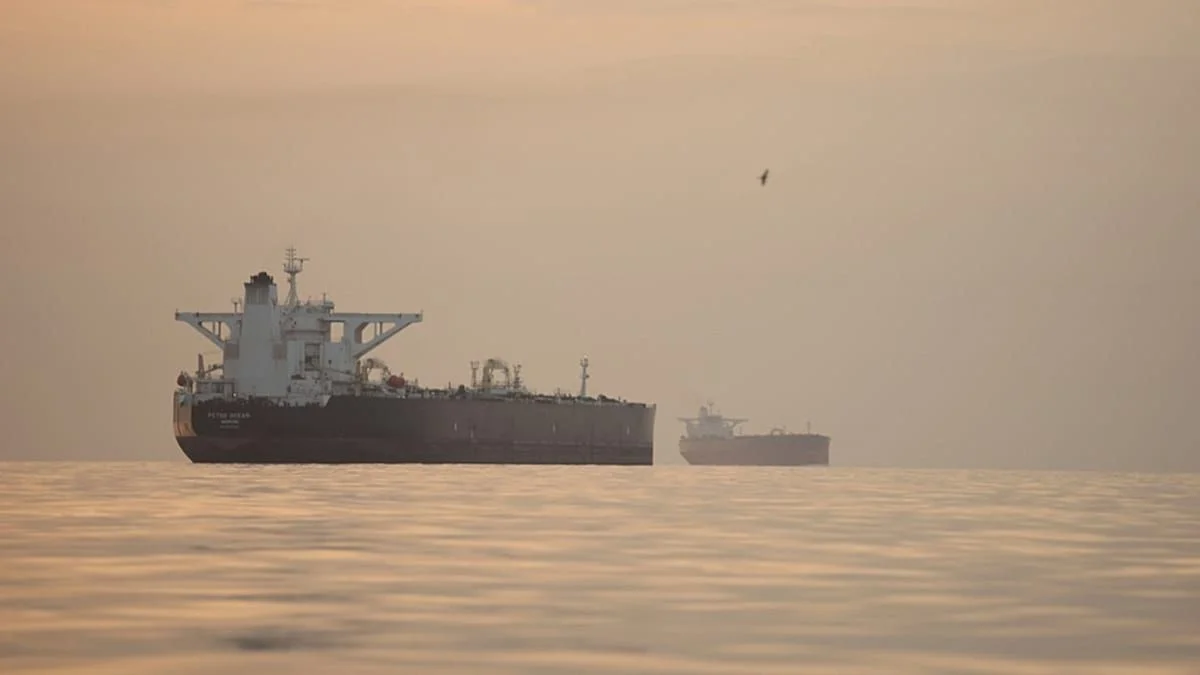
The Strait of Hormuz, a critical global energy route, remains a focal point. Iran had previously declared it closed in response to the US blockade and indicated it would remain shut until the blockade was lifted. The market reaction to the rising tensions has been palpable, with oil prices seeing an increase, although the market response has been described as more "tame" than during earlier phases of the conflict. European stock markets have also registered declines, with investors citing "Hormuz chaos" as a cause for concern.
Read More: Pakistan Envoy Starts Iran Conflict Talks in Washington Today
Background to the current situation includes a fragile ceasefire between Israel and Hezbollah in southern Lebanon, which had been seen as a cornerstone for broader US-Iran negotiations. This agreement, brokered with US backing, is now also facing questions about its sustainability amidst the heightened Iran-US tensions. The potential for a second round of talks between Iran and the US was initially set to follow this ceasefire, but the recent events have thrown its feasibility into doubt. President Masoud Pezeshkian has attempted to temper rising tensions, engaging in diplomatic calls, including one with Russian Foreign Minister Sergey Lavrov, to discuss the regional conflict. The approaching Wednesday ceasefire deadline further underscores the urgency and precariousness of the diplomatic landscape.
Keywords: Iran-US talks, ship seizure, Strait of Hormuz, ceasefire