


The upcoming installment in The Witcher series, codenamed The Witcher 4, is slated to incorporate Nvidia's RTX Mega Geometry system. This technology is designed to manage complex visual environments, a significant factor for large-scale, open-world games, while maintaining operational fluidity. Reports indicate that this integration will allow for enhanced detail in ray-traced scenes by improving the handling of vast amounts of geometric data.
The partnership between CD Projekt Red, the game's developer, and Nvidia appears to be substantial. Nvidia has described itself as a collaborator on the project since its inception, specifically concerning its ray-tracing technologies. This collaboration has extended to the use of the game in presentations of Unreal Engine 5.6, highlighting features relevant to expansive game worlds, such as accelerated geometry streaming and denser scenes. The game is being developed using Unreal Engine 5, with CD Projekt Red working alongside Epic on engine features pertinent to large-scale environments.

The implementation of RTX Mega Geometry suggests a push towards greater visual fidelity. Nvidia describes this system as capable of handling "full-fidelity path tracing with advanced detail and real-time tessellation." A specialized aspect, the RTX Mega Geometry Foliage System, is also mentioned, which is intended to render millions of objects per scene at high frame rates through partitioned and selectively updated ray-tracing structures. This particular system is specifically earmarked for The Witcher 4, indicating a focus on detailed natural environments within the game.
Beyond Mega Geometry, The Witcher 4 is also confirmed to support Path Tracing on PC. Path tracing is a more advanced form of ray tracing that simulates the physical behavior of light more accurately, potentially leading to more realistic lighting, reflections, and shadows. The combination of these technologies points to a significant leap in graphical presentation for the franchise.
Read More: Astro Bot Wins Best Game at 2025 BAFTA Awards; Senua's Saga Gets 11 Nods
Background and Context
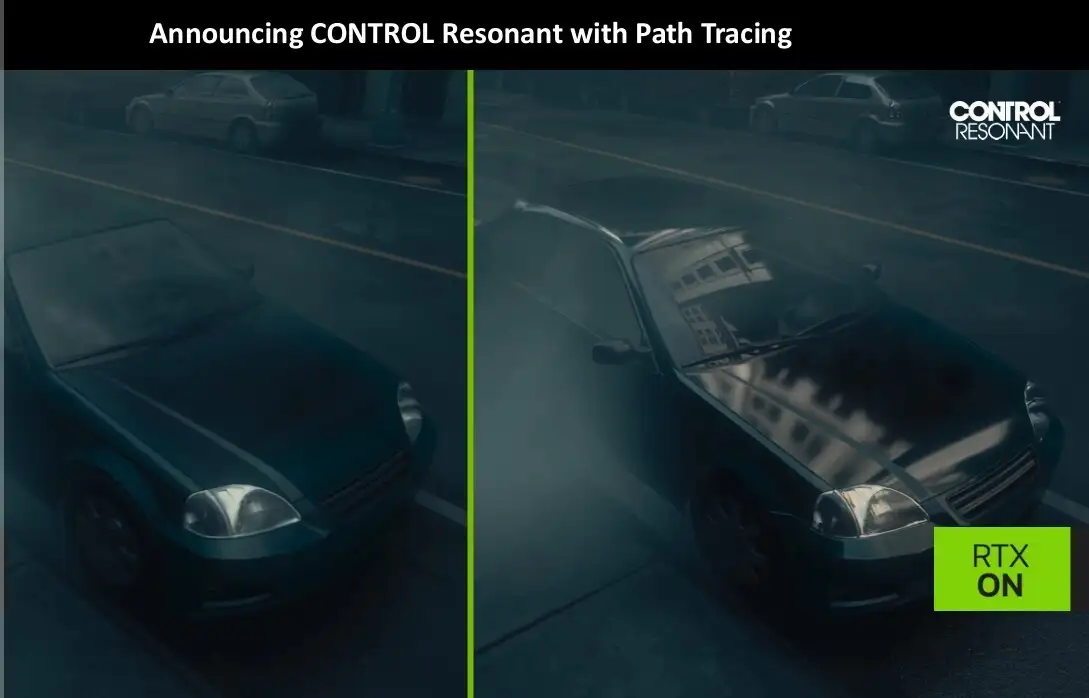
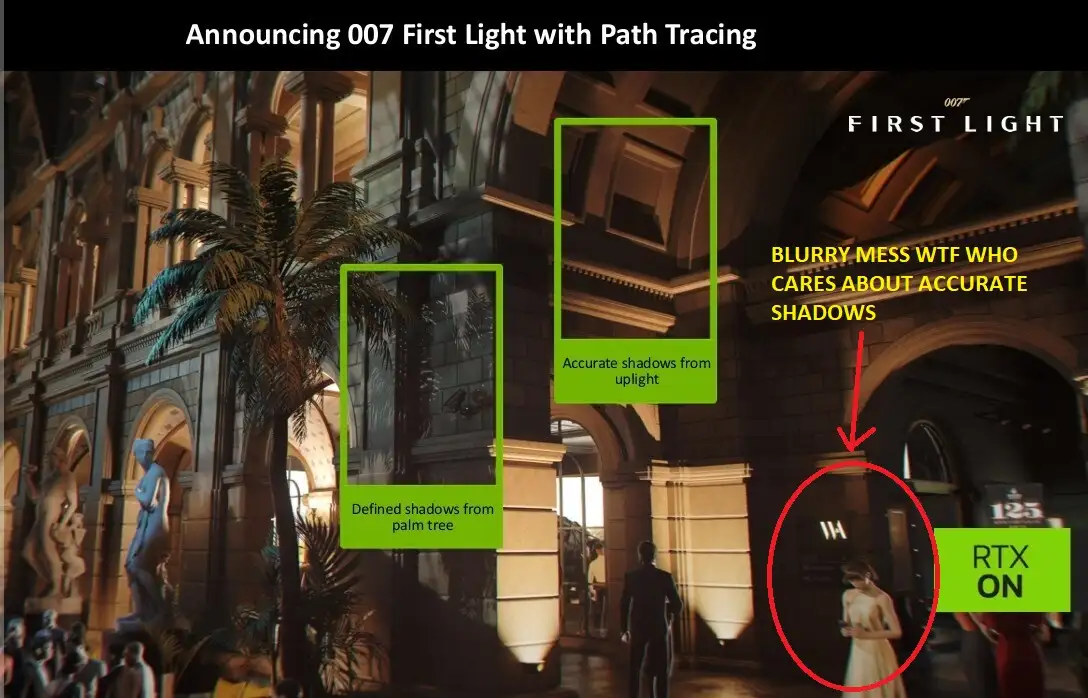
The announcements surrounding The Witcher 4's graphical capabilities emerge from recent GDC 2026 presentations by Nvidia. The tech company unveiled a suite of upgrades and new features across various games, including advancements in DLSS (Deep Learning Super Sampling) technology, now at version 4.5, and broader adoption of path tracing.
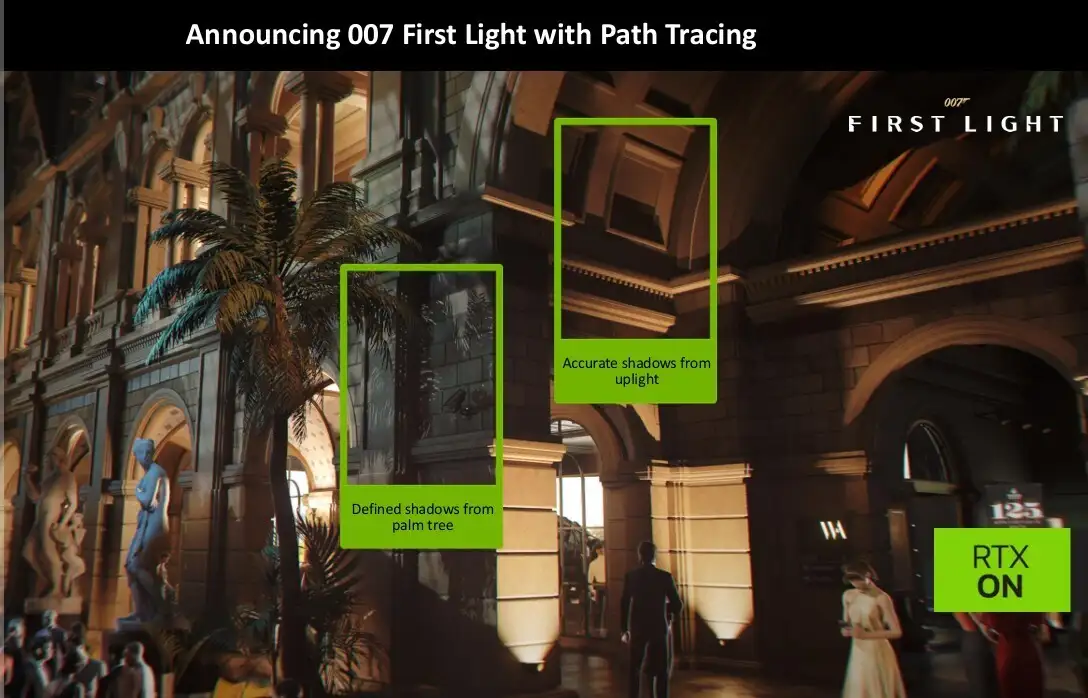
Nvidia's RTX Mega Geometry is positioned as a solution for scenarios demanding high geometric complexity, particularly benefiting path tracing performance. The system aims to address the computational strain of rendering intricate scenes by optimizing how ray tracing interacts with dense geometry. The technology is seen as a way to push the boundaries of visual realism in games, allowing for more detailed and expansive virtual worlds.
The Witcher series, developed by CD Projekt Red, is known for its rich narrative and immersive world-building. The decision to integrate cutting-edge graphics technologies like RTX Mega Geometry and Path Tracing suggests a commitment to matching the acclaimed storytelling with state-of-the-art visual experiences. The game's development, utilizing Unreal Engine 5, further underscores this ambition.
Read More: Jeonbuk University Study Shows PDA Surfaces Grow 37% More Minerals Than Zein
While specific release details for The Witcher 4 remain undisclosed, the emphasis on graphical advancement highlights the ongoing evolution in game development and the increasing role of hardware-specific technologies in shaping player experiences. The integration of these Nvidia features signifies a deeper collaboration between hardware manufacturers and game studios to unlock new levels of visual presentation.