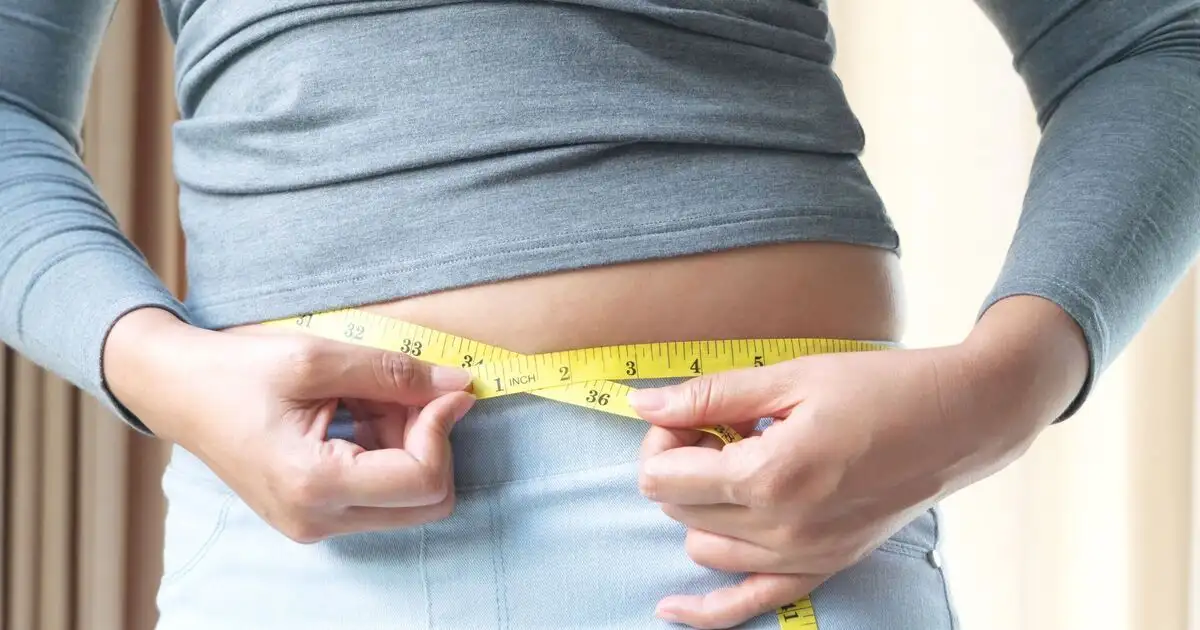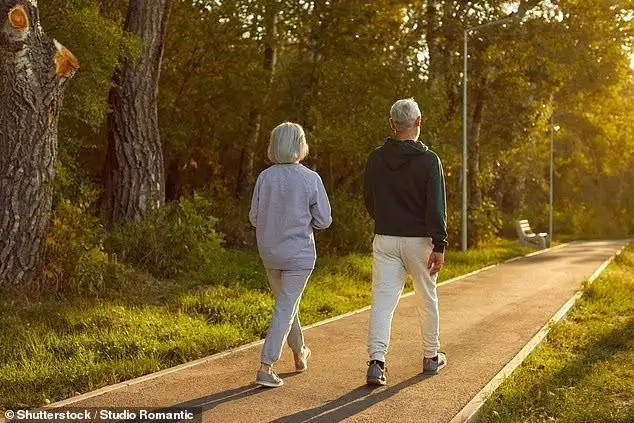
A common issue of feeling full, gassy, or experiencing discomfort after eating may have a simple solution. Experts suggest that a light walk shortly after a meal can significantly improve digestion and lessen painful bloating. This method offers an alternative to over-the-counter remedies and promotes a more balanced metabolic reaction post-meal.
Understanding Bloating and Digestion
Bloating, gas, and indigestion after meals are frequent complaints for many individuals. While various remedies exist, a recent focus has turned to a straightforward, accessible practice: walking.
Common Discomfort: Feelings of fullness, gas, and stomach pain after eating.
Traditional Remedies: Antacids and charcoal tablets are often used.
Expert Recommendation: A light walk after a meal is presented as a beneficial solution.
The Benefits of Post-Meal Walking
Research indicates that avoiding sedentary behavior immediately after eating is crucial for digestive health. Lying down or slumping in a chair post-meal can hinder the digestive process and may contribute to bloating and pressure.
Digestive Improvement: A walk can help move food through the digestive system more effectively.
Reduced Bloating: The physical activity can alleviate feelings of fullness and gas.
Metabolic Support: It may also contribute to a steadier metabolic response, including blood sugar management.
Evidence Supporting the Method
Studies suggest that a light walk taken soon after eating is beneficial for digestion. This activity contrasts with the common advice to rest, indicating that movement, not stillness, can be more advantageous for the body's post-meal processes.
Read More: India IVF Costs And Social Barriers Limit Access In April 2026
Research Findings: New research highlights the positive impact of post-meal walks.
Contrast to Conventional Wisdom: Challenges the idea that resting after eating is always best.
Physiological Impact: Helps reduce pressure and bloating by promoting digestive motility.
Expert Insights on Movement and Digestion
Experts emphasize that the body benefits from gentle movement after consuming food. This approach is seen as a natural way to support the digestive system and mitigate common discomforts.
Actionable Advice: Taking a light walk is a simple, actionable step for better digestion.
Natural Remedy: Leverages the body's own processes for relief.
Key Takeaway: Movement aids digestion, while inactivity can worsen bloating.
Conclusion and Implications
The evidence points to a simple yet effective method for improving digestion and reducing post-meal bloating: a light walk. This practice offers a natural and accessible way to manage digestive discomfort, challenging older notions about post-meal rest. Further investigation into the specific mechanisms by which walking influences digestive motility and metabolic response could provide deeper understanding.
Sources
Daily Mail: Experts share simple method to improve your digestion and reduce painful bloating after eating. https://www.dailymail.co.uk/health/article-15545747/Experts-share-simple-method-improve-digestion-reduce-painful-bloating-eating.html

:max_bytes(150000):strip_icc()/VWM-GettyImages-2198912415-e51948be28bc42528c9c47b257d5cb53.jpg)