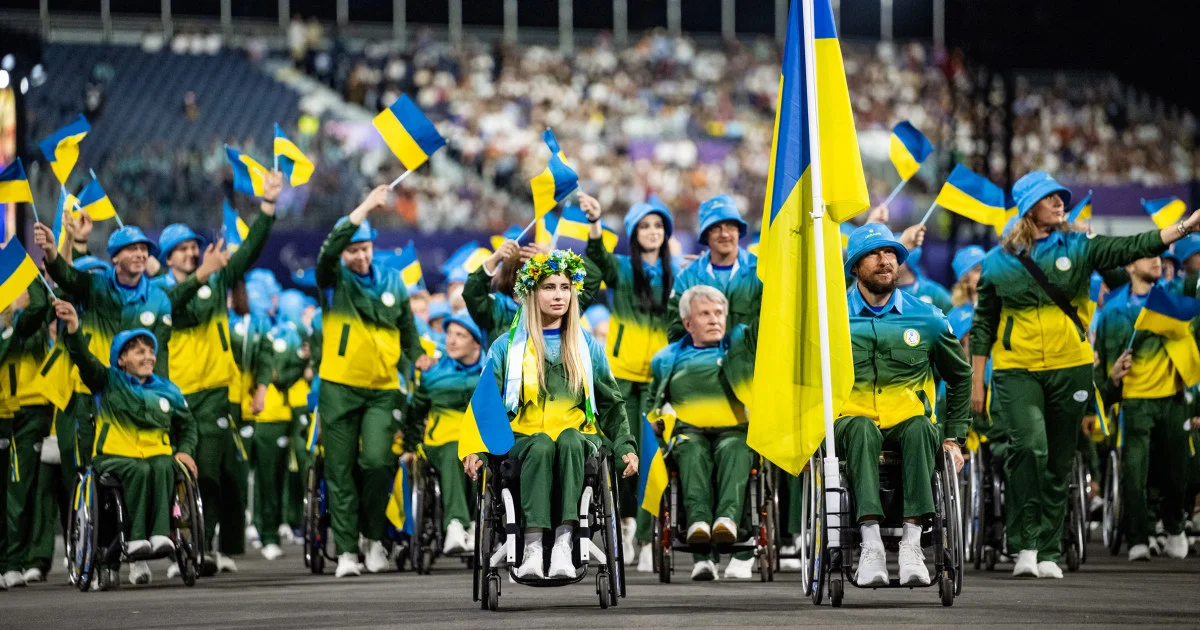
The Milano Cortina 2026 Paralympic Winter Games are facing a boycott from Ukrainian officials. This action stems from a decision by the International Paralympic Committee (IPC) to allow a limited number of athletes from Russia and Belarus to compete under their national flags. A Ukrainian community group in New Zealand has publicly supported this boycott, emphasizing that sport and politics are intertwined. This situation raises questions about the IPC's stance compared to the International Olympic Committee (IOC) and the broader implications for international sporting events during times of conflict.
Context: A Shift in Paralympic Policy
The IPC's decision represents a notable shift from its previous approach regarding athletes from Russia and Belarus following Russia's full-scale invasion of Ukraine.
In 2022, after the invasion, the IPC had imposed a partial suspension on Russia and Belarus.
More recently, the IPC announced that 10 Para athletes from Russia and Belarus would be permitted to participate in the Milano Cortina Games.
Russia was allocated spots in Para alpine skiing (2), Para cross-country skiing (2), and Para snowboard (2).
Belarus was granted four slots in Para cross-country skiing.
These athletes will compete under their respective national flags, and their national anthems will be played if they win gold medals.
This contrasts with the IOC's current policy, which permits Russian and Belarusian athletes to compete only as independent neutral athletes.
Community Backlash and Boycott
The IPC's decision has been met with strong disapproval from Ukraine and its supporters.
Ukrainian officials have declared their intention to boycott the Winter Paralympics in protest.
In New Zealand, a group of Ukrainian New Zealanders have voiced their support for this boycott. They believe "sport is not separate from politics" and view Russia's use of international sport as a tool for state representation and soft power.
Potential Qualification Issues for Russian and Belarusian Athletes
Despite the IPC's decision to allow participation, there is uncertainty regarding the actual number of Russian and Belarusian athletes who may compete.
Read More: Geno Auriemma apologizes to South Carolina staff and players after game
The IPC stated in October 2025 that no Russian or Belarusian athletes "are likely to qualify" for the 2026 Milan-Cortina Winter Paralympics.
The IPC also clarified that the international federation for each sport on the Paralympic program is responsible for determining both the qualification pathway and athlete eligibility. The IPC has received confirmation from the four international federations involved in sports for the Milano Cortina 2026 Games.
The Milano Cortina 2026 Games: A Global Event
The Milano Cortina 2026 Paralympic Winter Games are scheduled to take place from March 6-15, 2026.
New Zealand is set to send two athletes, Adam Hall and Corey Peters, both competing in alpine skiing. Hall is participating in his sixth Winter Paralympics, while Peters aims to add to his medal collection.
ParalympicsGB has been announcing its preparations, with news regarding their wheelchair curling squad and snowsport athletes. Channel 4 will broadcast the Games in the UK.
The Games will mark the 50th anniversary of the first Winter Paralympics and will return to Italy twenty years after the Torino 2006 Games.
Venues include the Verona Olympic Arena for the Opening Ceremony, Cortina d’Ampezzo Olimpia delle Tofane slope for Para alpine skiing, and Milano Santagiulia Ice Hockey Arena for Para ice hockey, among others.
Expert Analysis and Context
The IPC's decision has sparked debate about the balance between inclusivity in sport and the geopolitical realities of conflict.
While the IPC operates independently of the IOC, its decisions are often scrutinized in the context of broader international sporting bodies.
The precedent set by the IOC regarding neutral athletes is a point of reference.
The IPC's earlier suspension of Russia and Belarus indicates a recognition of the impact of the invasion, making the recent shift in policy a subject of considerable attention.
Conclusion: Lingering Questions and Future Implications
The situation surrounding the participation of Russian and Belarusian athletes at the Milano Cortina 2026 Paralympic Winter Games remains complex.
Ukraine's boycott highlights a strong stance against the inclusion of athletes from nations involved in conflict, underscoring the perceived link between sport and political events.
The IPC's shift in policy from a ban to conditional participation under national flags, despite previous suspensions, raises questions about the factors influencing this change.
The possibility that no Russian or Belarusian athletes may actually qualify to compete introduces another layer of uncertainty, suggesting that national federation decisions could ultimately supersede the IPC's eligibility ruling.
The support from the Ukrainian New Zealand community illustrates the global reach of concerns surrounding the Games and the ongoing conflict.
The decisions made by international sports federations regarding athlete eligibility and national representation will be critical in shaping the narrative and participation at the Milano Cortina 2026 Paralympic Winter Games.
Article 1: NZ Herald - Reports on the support for the boycott from Ukrainian New Zealanders and details New Zealand's participation.🔗 https://www.nzherald.co.nz/sport/paralympics/milano-cortina-paralympics-boycott-backed-by-ukrainian-new-zealand-community/TNURJAEHFRAFTCSIBIKORDANEU/
Article 2: NBC News - Confirms Ukraine's boycott and details the IPC's decision to allow Russian and Belarusian athletes to compete under their flags, noting the contrast with the IOC.🔗 https://www.nbcnews.com/world/ukraine/ukraine-boycott-winter-paralympics-russians-competing-flag-belarus-rcna259525
Article 3: France24 - Reports on the IPC's statement that Russian and Belarusian athletes are "likely to qualify" for the 2026 Games, providing a more recent update on potential participation.🔗 https://www.france24.com/en/live-news/20251023-no-russian-or-belarusian-athletes-likely-to-qualify-for-winter-paralympics
Article 4: Paralympic.org News - Provides general news and feature content related to the Milano Cortina 2026 Games, including athlete spotlights and event information, but does not directly address the boycott issue.🔗 https://www.paralympic.org/milano-cortina-2026/news
Article 5: Paralympics New Zealand - Offers information on New Zealand's team and the venues for the Milano Cortina 2026 Games.🔗 https://paralympics.org.nz/games/milano-cortina-2026/
Article 6: ParalympicsGB - Details preparations and news related to ParalympicsGB for the Milano Cortina 2026 Games.🔗 https://www.paralympics.org.uk/articles/games/milano-cortina-2026
Article 7: NBC Los Angeles - Discusses a Ukrainian athlete's situation in the Winter Olympics over a helmet, offering related context on athlete expression and committee decisions during conflict, though not directly about the Paralympics boycott.🔗 https://www.nbclosangeles.com/olympics/2026-milan-cortina/ukrainian-athlete-out-winter-olympics-over-banned-helmet/3845909/