The World Health Organization (WHO) has declared the ongoing Ebola outbreak in the Democratic Republic of Congo (DRC) and Uganda a global health emergency. This declaration comes as the virus, identified as the Bundibugyo strain, shows a particularly high mortality rate, estimated between 20 and 50 per cent of known cases. The outbreak, initially detected in the DRC's Ituri province, has spread to Uganda, raising significant concerns about its potential for wider transmission. The emergency highlights an urgent, unmet need for vaccines targeting a broader spectrum of Ebola strains, moving beyond the historical focus on the Zaire strain.

The current outbreak has already resulted in at least 88 deaths and over 300 suspected cases in the DRC, with reports of at least two laboratory-confirmed cases and one death in Uganda. Health officials report that at least four healthcare workers have died from Ebola-like symptoms, underscoring the particular vulnerability of frontline medical personnel. The virus's spread is attributed to factors including movement from mining hubs like Mongwalo in Ituri province and cross-border transit between the DRC and Uganda. Journalists reporting from Bunia, Ituri's capital, have documented unusually high numbers of burials, fostering fear among residents.
Read More: India IVF Costs And Social Barriers Limit Access In April 2026

"In a single day, we bury two, three or even more people,” said Jean Marc Asimwe, a resident of Bunia.
Urgent Need for Vaccine Development
Epidemiologists are issuing strong warnings about the necessity of rapidly developing vaccines for a range of lethal viruses, including the one driving the current Ebola emergency. A critical gap exists in vaccine research, which has largely concentrated on the Zaire strain, leaving the Bundibugyo strain, currently causing this emergency, without a specific, widely available vaccine. This situation is partly attributed to the economic realities of drug development, where market forces may not adequately incentivize research into diseases primarily affecting less affluent regions.

Past Vaccination Efforts and Future Preparedness
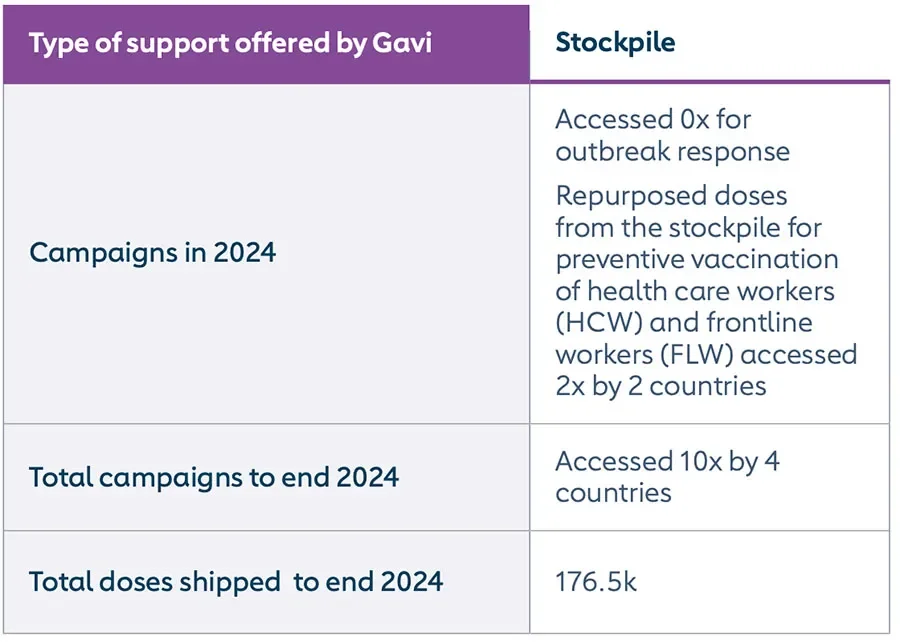
Previous Ebola outbreaks have seen significant vaccination campaigns. In the DRC alone, between 2018 and 2020, approximately 345,000 individuals received the rVSV-ZEBOV vaccine, and over 225,000 received a first dose of the Ad26.ZEBOV–MVA-BN-Filo vaccine schedule. Globally, an estimated 500,000 to 1,000,000 people have been vaccinated against Ebola. These efforts, including the use of an emergency Ebola vaccine stockpile, have demonstrated efficacy in controlling outbreaks, such as in Kasai Province where rapid vaccination of over 47,500 at-risk individuals helped end transmission within a month.
Read More: Fikra API Africa Mobile Money AI Access for Developers

However, the recurrence of outbreaks, potentially triggered by viral resurgence in survivors, necessitates a continuous re-evaluation of vaccination strategies, including booster recommendations. Data increasingly suggests that viral resurgence in survivors of Ebola virus disease can trigger new outbreaks years later, highlighting the need for sustained preventive vaccination for those at highest risk, particularly frontline health workers.
Funding Cuts and WHO's Role
The current outbreak also draws attention to the broader implications of funding cuts at the World Health Organization. While the global pandemic potential of Ebola is considered minimal compared to other pathogens, the crisis underscores the risks associated with reduced investment in global health security infrastructure and preparedness.
Background
Ebola is a serious, potentially fatal infectious disease. It does not spread through the air like influenza or COVID-19, and individuals are not contagious before symptoms manifest. Transmission occurs through direct contact with bodily fluids of an infected person or contaminated materials. The Democratic Republic of Congo has historically experienced frequent Ebola outbreaks, prompting ongoing research and public health interventions.
Read More: Georgia Toffolo's Lake Como Trip After Fertility Talks