Burnham Positions, Starmer Holds Firm
The Labour Party is navigating a turbulent internal landscape, with Greater Manchester Mayor Andy Burnham emerging as a significant, albeit unofficially declared, contender for leadership. This dynamic plays out against a backdrop of electoral setbacks and internal party friction, where incumbent leader Sir Keir Starmer appears to be holding onto his position, though his tenure is subject to constant scrutiny.
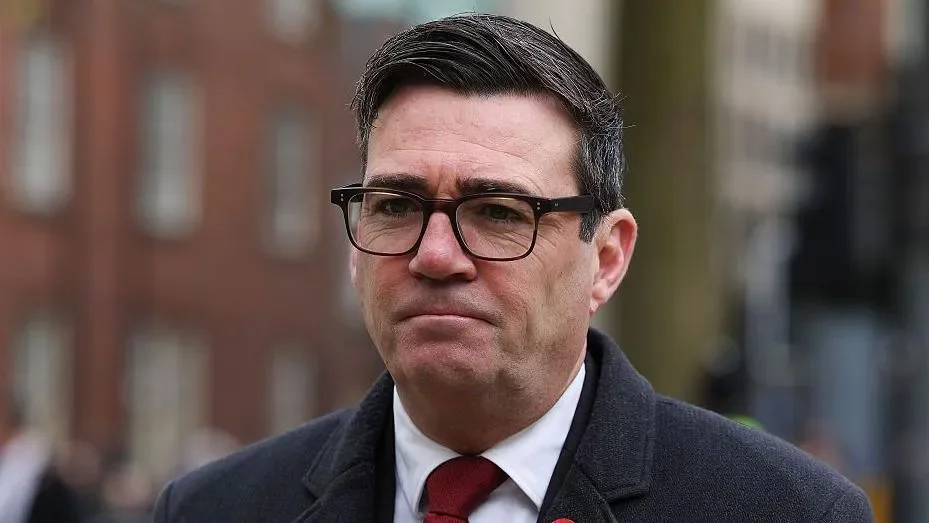
Recent local election results, particularly those from May 8, 2026, have painted a grim picture for Labour. The party faced significant losses, with Reform and the Greens making notable inroads into traditional Labour strongholds. In London, Labour managed a narrow advantage over the Tories in councillor gains, securing 28 seats to the Conservatives' 29, with one independent. These outcomes have fueled growing calls for Starmer's resignation.
Internal Dynamics and Potential Challengers
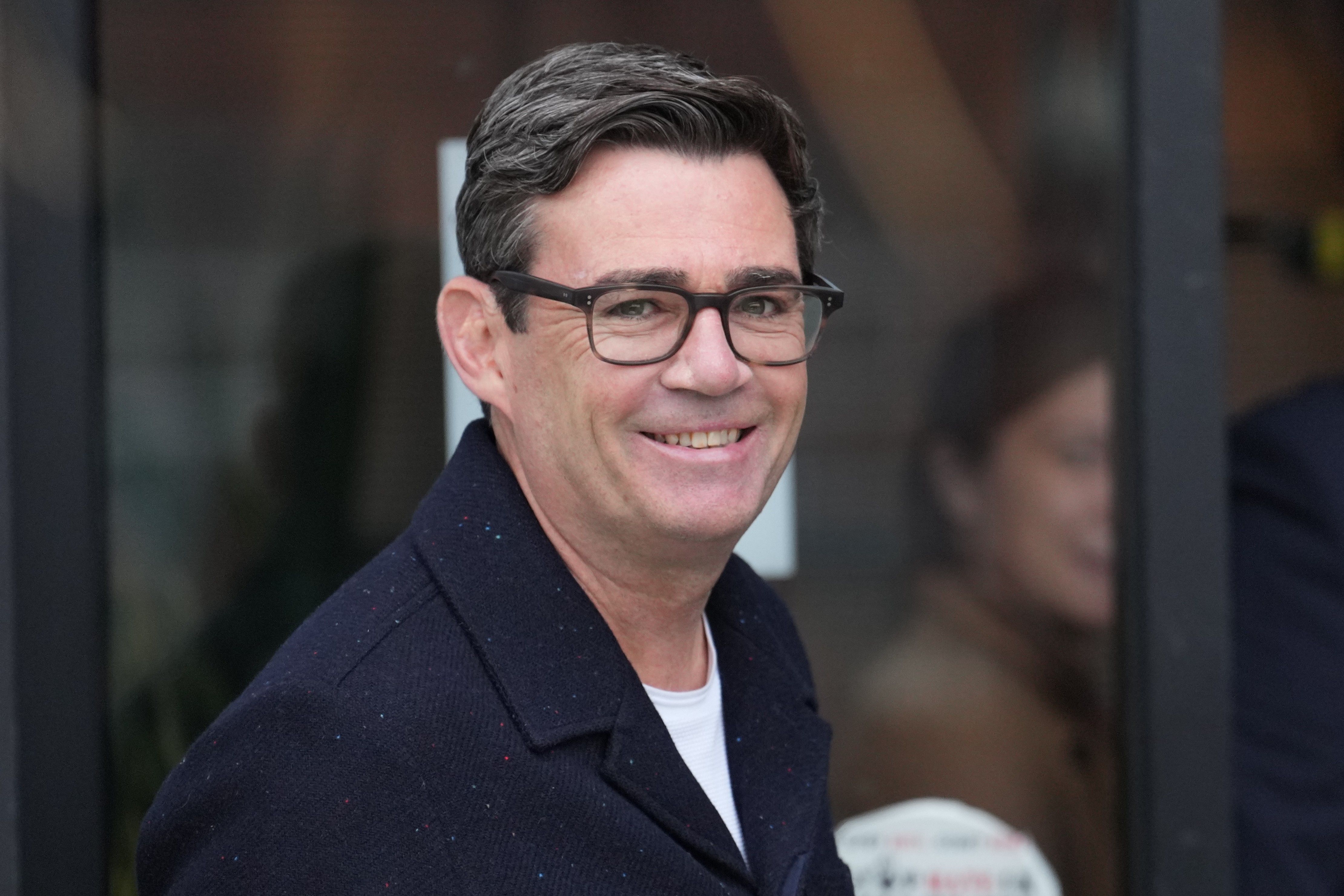
The prospect of Burnham stepping into the leadership fray is a recurring theme. His path, however, is reportedly complex, described as a "tricky run." If he were to formally challenge, he would require permission from the Labour Party's National Executive Committee. This has led to past instances where such bids were reportedly blocked.
Read More: Taiwan Holds Nantou County Drills to Prepare for State Collapse
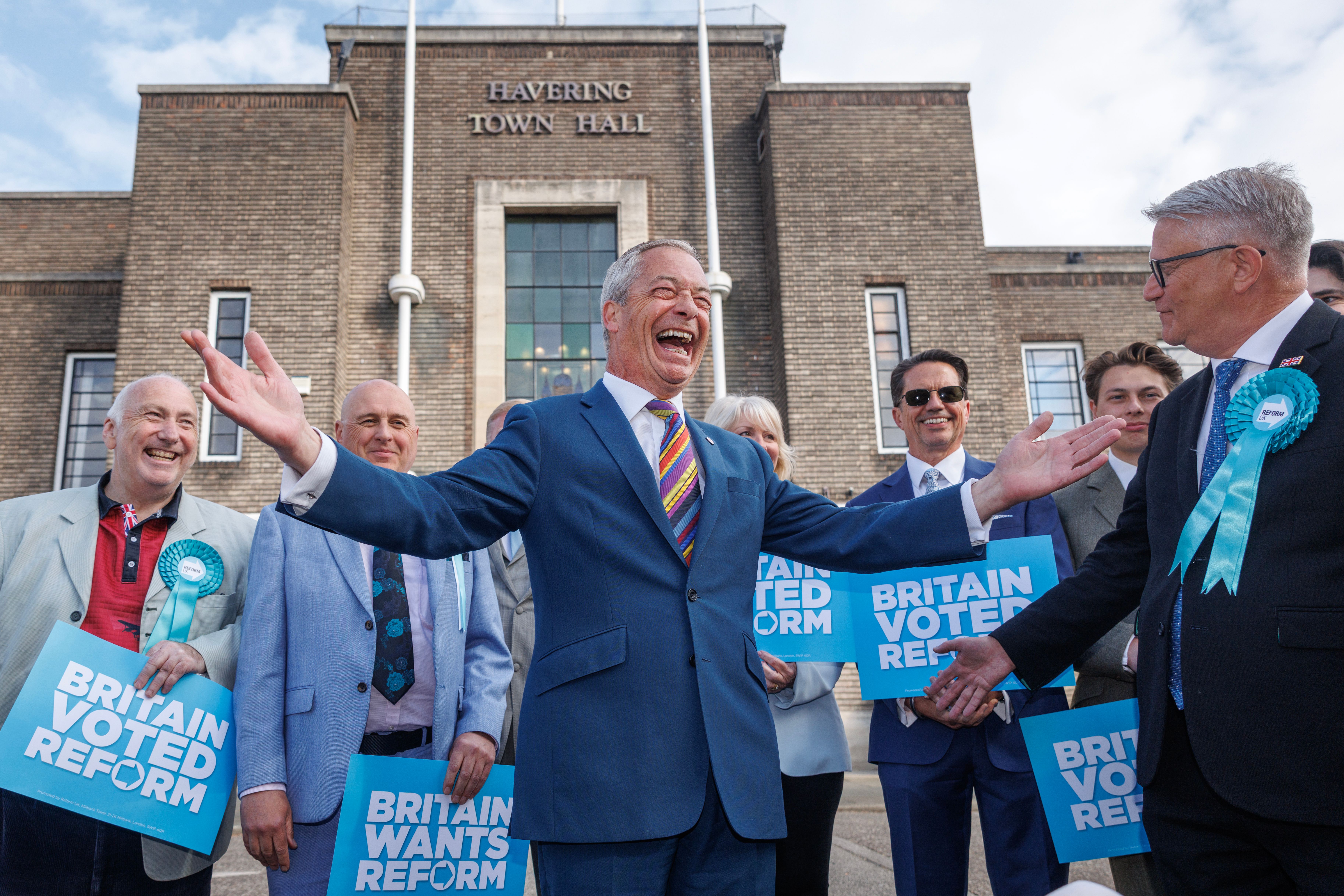
"Many see Andy Burnham as UK government’s savior."
Sources indicate that Wes Streeting, who recently resigned as health secretary, has indicated his intention to be a candidate should a leadership election occur. This suggests a potential field of challengers vying for the top spot.
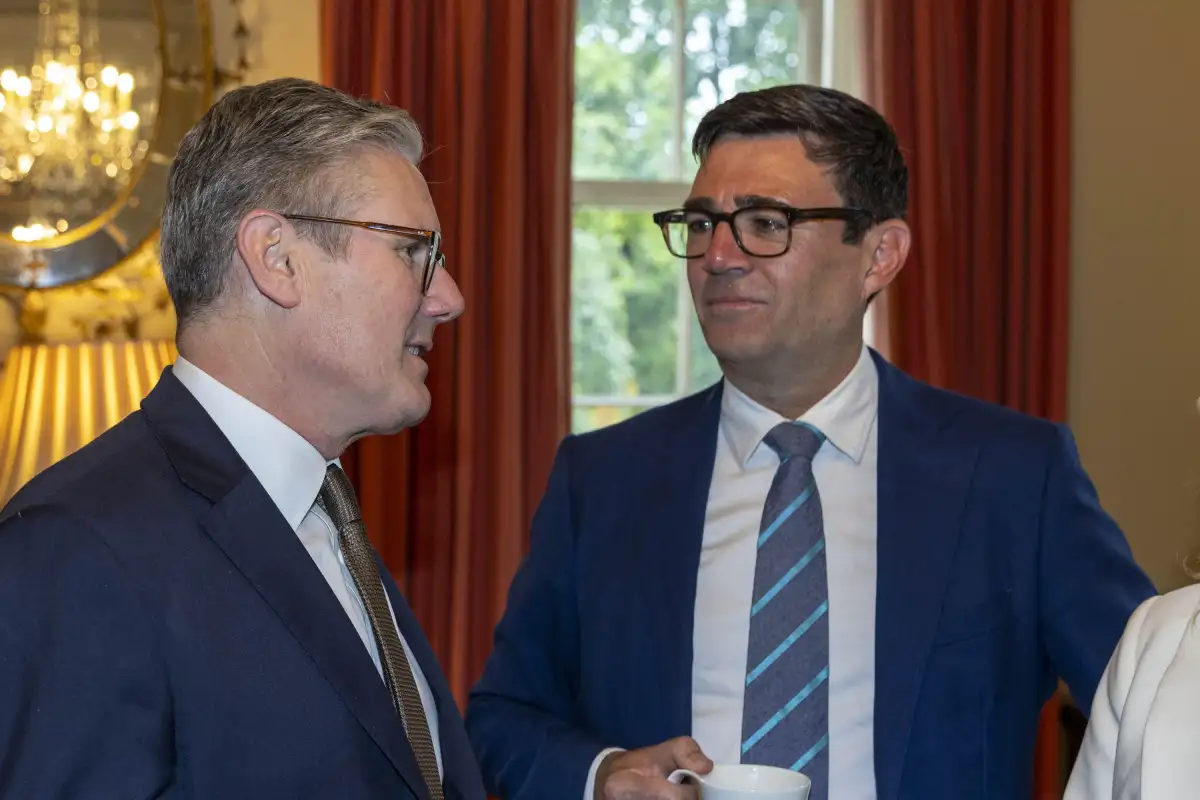
Burnham's Policy Stance and Influence
Andy Burnham has been actively cultivating his profile, championing centre-left policies and emphasizing voices from northern England. His platform includes proposals for wealth taxes, public ownership of utilities, and the removal of the two-child benefit cap.
His growing influence extends beyond his role as Mayor of Greater Manchester.
He has openly criticized the perceived centralization of power within the party.
He has aligned himself with Labour MPs on the soft left who share his concerns about party direction.
Electoral Context and Leadership Pressure
The electoral performance of Labour in the recent local elections appears to be a key factor intensifying pressure on Starmer. The dire results have created an environment where leadership challenges are increasingly being discussed.
Background: Labour's Leadership Traditions and Current Climate
Historically, Labour has been seen as reluctant to change leaders while in opposition, a trend that reportedly became even more pronounced during periods of government. However, the current climate, marked by electoral disappointments, seems to be testing these norms. Some observers suggest that the party's leadership might have benefited from a more pluralistic approach and a greater embrace of its diverse internal factions to maintain unity and electoral success. The current situation is characterized by internal maneuvering, which some have described as a highly competitive and perhaps acrimonious political environment.
Read More: Pressure Washer Mistakes Cost UK Owners More Money