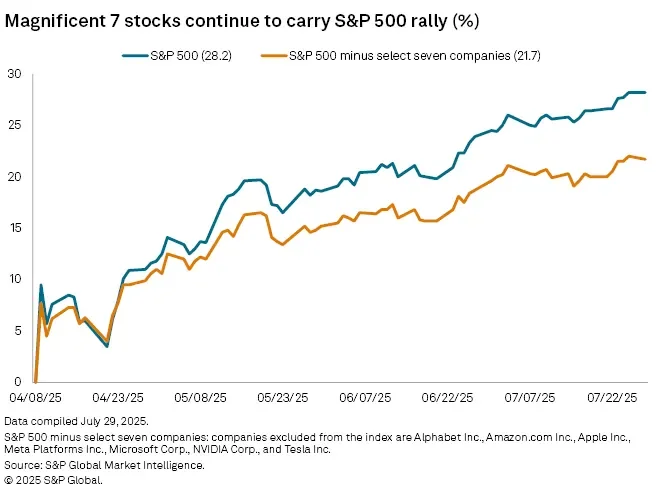
NEW YORK – May 5, 2026 – Amidst a period of record-setting stock prices, the financial landscape appears increasingly bifurcated, with the ultra-wealthy consolidating their ownership of assets while other economic segments grapple with persistent inequality. Federal Reserve data reveals that the top 10% of Americans now hold an unprecedented 93% of all stocks, a concentration that has grown despite increased participation from smaller retail investors. This trend underscores a market dynamic where bullish surges disproportionately benefit those already possessing substantial wealth, with the bottom 50% holding a mere 1% of total stocks.

The narrative of a universally booming market is further complicated by divergent strategies among the ultra-rich themselves. While some prominent family offices, like Stanley Druckenmiller's Duquesne Family Office, have recently initiated new positions in major tech firms such as Amazon and Meta, others have been actively offloading significant portions of their holdings. Billionaires such as Jeff Bezos and Mark Zuckerberg have sold billions in stock, citing personal reasons and tax advantages, though they maintain substantial stakes. Similarly, the Walton family has divested over $2.3 billion since December. This selling spree has led some economists to suggest a broader strategy of cashing out amidst perceived market overvaluation, potentially leaving less sophisticated investors exposed to future downturns.

AI as a Market Underpinning, Yet a Source of Uncertainty
The current market resilience, even in the face of geopolitical tensions like the ongoing conflict in the Middle East, is frequently attributed to the ongoing "AI buildout" and its presumed impact on corporate earnings. Institutions like BlackRock Investment Institute express a "pro-risk stance," overweighting U.S. and emerging market equities due to the accelerating demand for artificial intelligence technologies. This narrative is reflected in corporate earnings, with companies like Eaton reporting record profits driven by AI-related power demand.
Read More: Highway Projects Help Economy But Hurt Small Businesses

However, this AI-driven optimism is not without its critics or underlying anxieties. Some market analyses suggest that while the market prices in the costs of AI, the actual returns remain uncertain. The rapid expansion of the AI sector also raises questions about job market shifts and the potential for both significant winners and losers. Furthermore, the boom itself could eventually face a dramatic end, according to some perspectives.

Wary Investors and Shifting Strategies Amidst Global Volatility
Beyond the AI narrative, a degree of caution is evident even among the wealthiest investors. Some ultra-high-net-worth (UHNW) clients are reportedly looking to hedge risks and seeking diversification, with real estate emerging as another asset class for potential cash flow generation. This comes as the overall wealth of the top 1% has reached a staggering $52 trillion, with a growing share of overall spending now attributed to this small consumer segment. This dependence on a narrow base of wealthy consumers carries its own risks, as a substantial stock market decline, driven by the assets they hold, could have wider economic repercussions.
Read More: Howard Marks: Bonds Now Offer Equity-Like Returns
The broader market context includes a complex interplay of factors. Record stock prices are occurring even as geopolitical events, such as tensions in the Hormuz Strait and the war in Ukraine, present potential economic headwinds. While consumer spending has shown stability, the long-term economic impact of these global developments remains a point of observation. The market's ability to reach new highs despite such events leads some to question whether the market "knows something we don't," a sentiment often debated amidst varying investment strategies, from active trading to passive index investing.
Background: Concentration of Wealth and Shifting Ownership
The foundational element of this market dynamic is the persistent and growing concentration of wealth. Even with a record high percentage of American households owning stocks, the aggregate amount of wealth held by the majority remains minimal compared to the holdings of the wealthiest echelon. This has been a long-standing trend, with market booms historically delivering the largest gains to those who are already wealthy. The significant ownership by the top 10% creates a scenario where the market's overall performance is heavily dictated by the actions and holdings of a very small group of individuals.
Read More: Hong Kong Economy Grows Most in 5 Years Due to Tourists
Tracking the investment decisions of billionaires and corporate insiders is a noted strategy for some investors, operating on the premise that these individuals' purchases are rarely random. Insider transactions, which reveal whether company executives, board members, or principal shareholders are buying or selling, are a point of interest for those seeking to discern market direction. This practice highlights a strategy of following perceived informed capital, a counterpoint to the broader trends of wealth consolidation.