Recent investigations into the lives of baboons and other African monkeys reveal deeply layered social structures, challenging simpler views of these animals as purely hierarchical or solitary. While much remains unsaid, new findings underscore the complexity within primate societies, suggesting social bonds and networks are as vital to their survival and development as the more apparent pecking orders.
Baboon Bonds: Beyond the Obvious
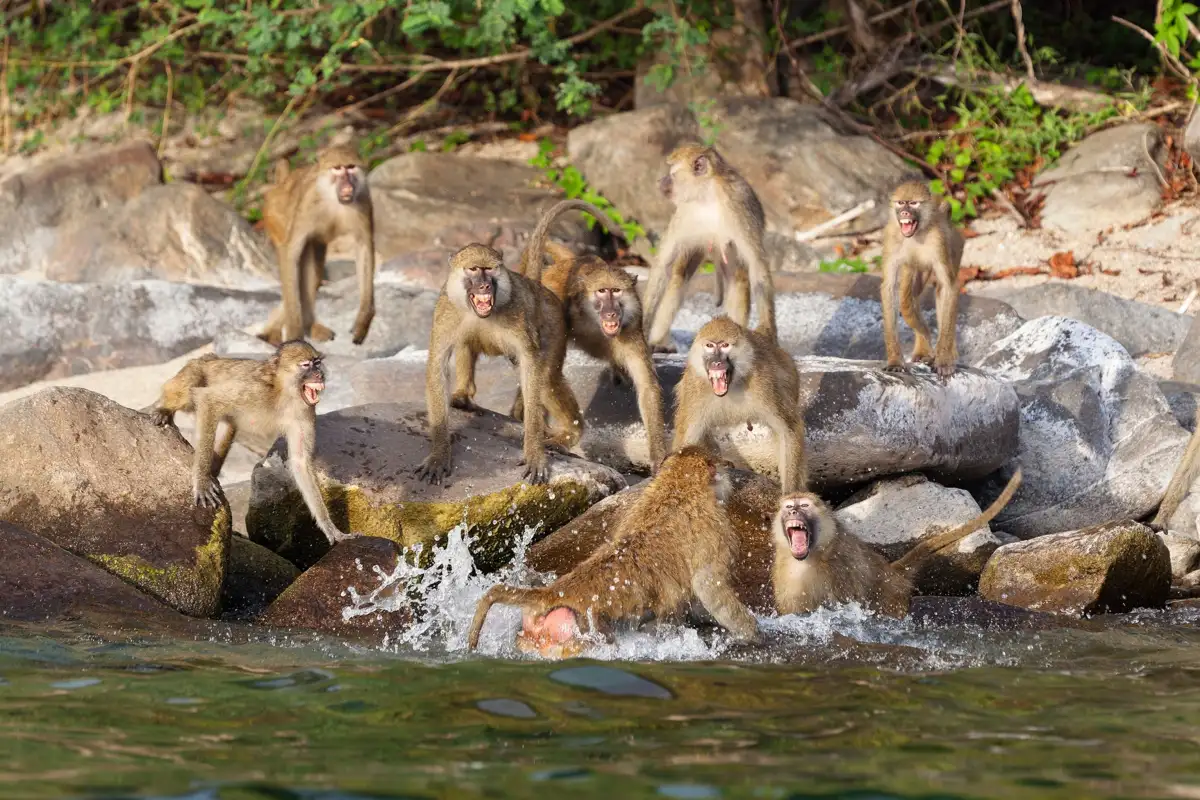
Baboons, a focal point of this recent surge in research, are proving to be far more socially sophisticated than previously assumed. Investigations, such as those using social network analysis to map grooming patterns, illustrate the nuanced ways individuals interact within their groups. This approach tracks "how often grooming occurred, how long it lasted and who was grooming whom," offering a detailed glimpse into affiliations.
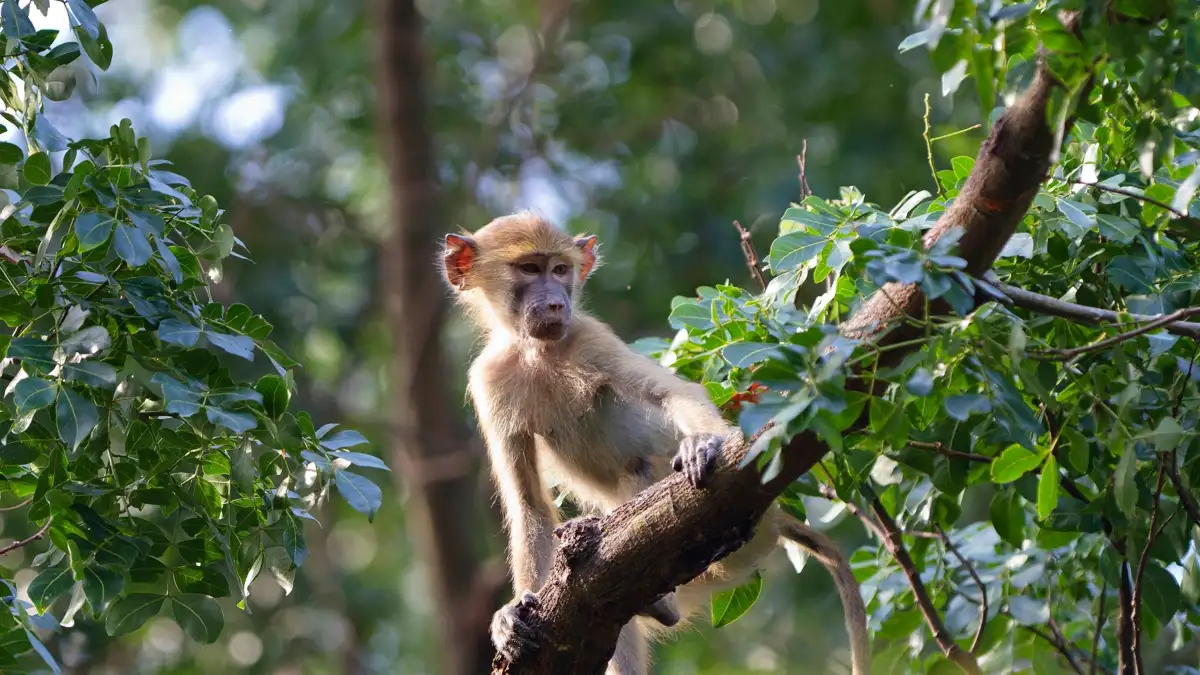
The findings suggest that primate groups, much like human societies, exist on a spectrum from "small and simple" to "large and more layered."
Specific baboon populations, like the Kinda baboons studied, exhibit distinct social behaviors, including a greater propensity for male-female "friendships." This particular group is also noted for being evolutionarily basal, meaning they represent an earlier lineage of living baboons. Their smaller size and less pronounced sexual dimorphism appear to correlate with these less rigid social dynamics.
Long-term observation of baboons, spanning over five decades, indicates a need to re-evaluate their "recent bad reputation," hinting at a more complex societal fabric than often portrayed.
Elephants: Bachelorhood Isn't Isolation
Shifting focus to other African fauna, research on male African elephants has similarly overturned earlier notions of solitary existence. These males, often presumed to live alone, are in fact engaged in robust social networks.
Read More: Orangutan Mothers Plan Playdates for Babies in Borneo
Bachelor males of all ages appear to benefit from associating with peers.
Young males interacting with bachelor groups during visits to waterholes seem to gain valuable insights, learning about trusted individuals they might later rely on. This suggests a form of social learning crucial for their eventual independence.
Societal Frameworks and Learning
The very structure of these societies, whether single-level or multilevel, plays a significant role in the lives of these animals. Concepts like 'social network inheritance' and 'differentiation' are emerging in studies of wild baboons, pointing towards the passing down of social knowledge and the development of distinct social patterns within populations.
The intricacies of primate life, from infancy through old age, are being mapped out, revealing a dynamic trajectory shaped by social interactions.
This ongoing research underscores a fundamental truth: the social lives of these animals are far from simple, offering a complex interplay of relationships that influence their individual journeys and the collective existence of their species.