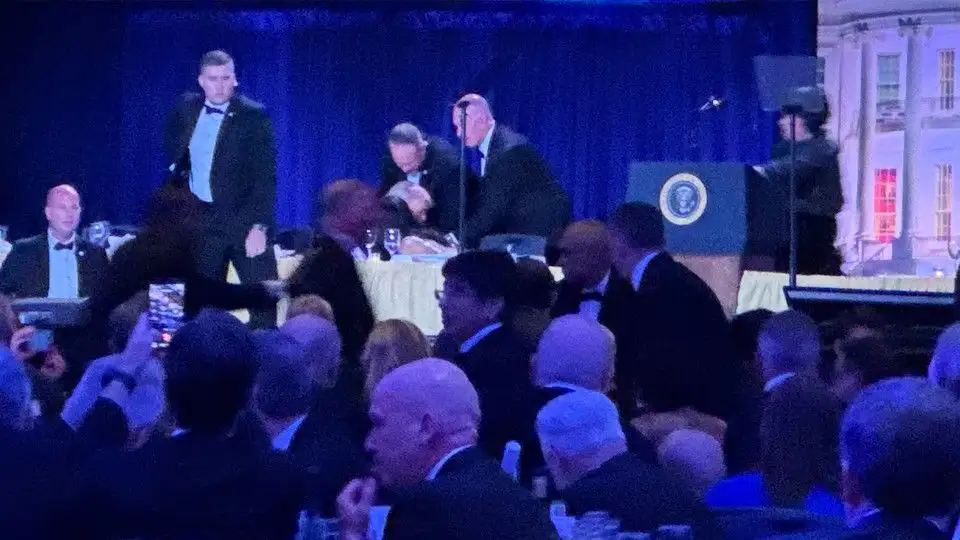
Washington D.C. - The echoes of gunfire at the Washington Hilton on Saturday night, during the White House Correspondents’ Dinner, have resurrected unsettling historical parallels and sparked urgent debates about security protocols surrounding high-profile events. The incident, which saw President Donald Trump and other senior officials present, is being viewed through the long shadow of another assassination attempt at the same venue involving President Ronald Reagan in 1981.
The suspect, identified as 31-year-old Cole Allen of Torrance, California, managed to circumvent security measures by staying as a guest at the hotel, a detail that has amplified concerns about vulnerabilities. Officials are asserting that the system largely functioned as intended, with the Secret Service crediting its protocols for ensuring the safety of those present. However, the fact that Allen could allegedly get close enough to discharge a weapon has led to widespread questioning.
Read More: Taiwan Holds Nantou County Drills to Prepare for State Collapse
"The System Worked," Officials Claim Amid Scrutiny
Despite the assertions that security measures held, the incident has prompted sharp criticism and calls for further investigation. President Trump himself was quoted as stating the Hilton is "not a particularly secure building." Secret Service Director Sean Curran acknowledged the inherent challenges of securing a large hotel ballroom, drawing comparisons to the more contained environment of the White House itself, while stopping short of blaming the venue.
The White House Correspondents' Association president, Weijia Jiang, confirmed an immediate evacuation of the main event space, emphasizing that no one within that area sustained injuries. Law enforcement officials indicated there is no current evidence suggesting additional shooters. The Department of Justice has indicated preliminary findings point to Trump as the intended target.
Historical Echoes at the 'Hinckley Hilton'
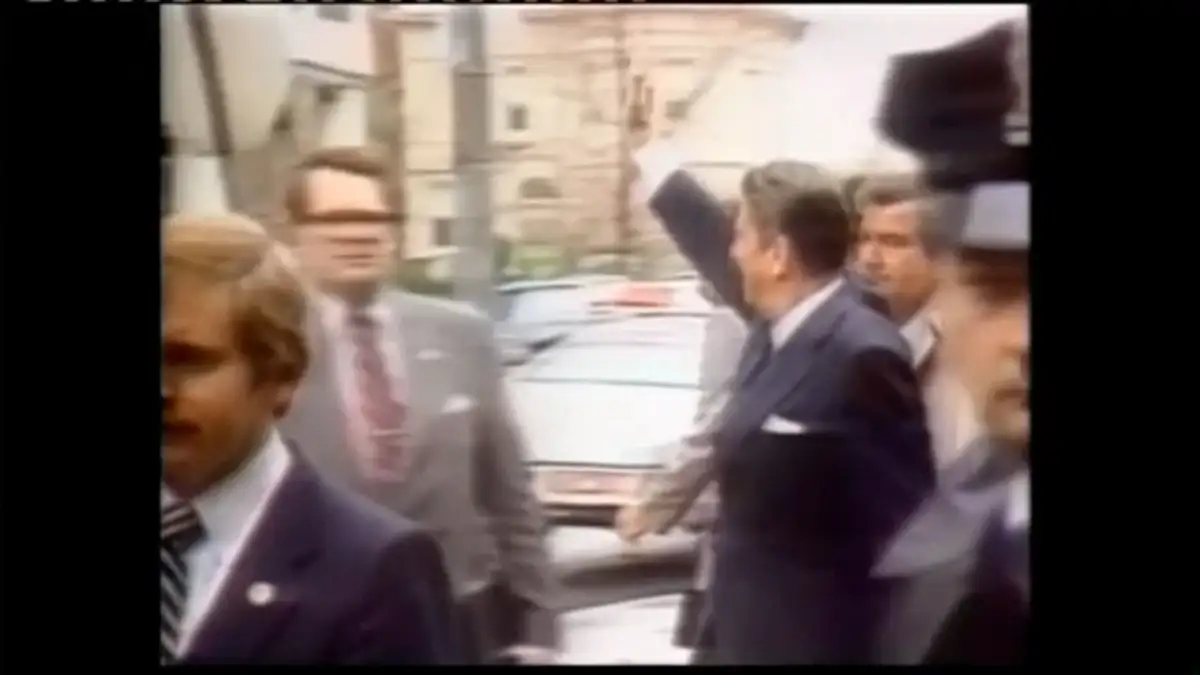
The choice of the Washington Hilton as the site for both the 1981 assassination attempt on Reagan and the recent event targeting Trump has not gone unnoticed. The venue has been colloquially dubbed the 'Hinckley Hilton' since John Hinckley Jr., a fan of actress Jodie Foster, opened fire on President Reagan as he was leaving the hotel.
Read More: Acting DNI Pulte Fires Dozens of Intelligence Officials Starting Thursday
In the 1981 incident, President Reagan sustained a wound under his left armpit from a bullet that ricocheted off his limousine. That day, Press Secretary James Brady, Secret Service Agent Timothy McCarthy, and police officer Thomas Delahanty were also injured. Reagan spent twelve days in the hospital before returning to the White House.
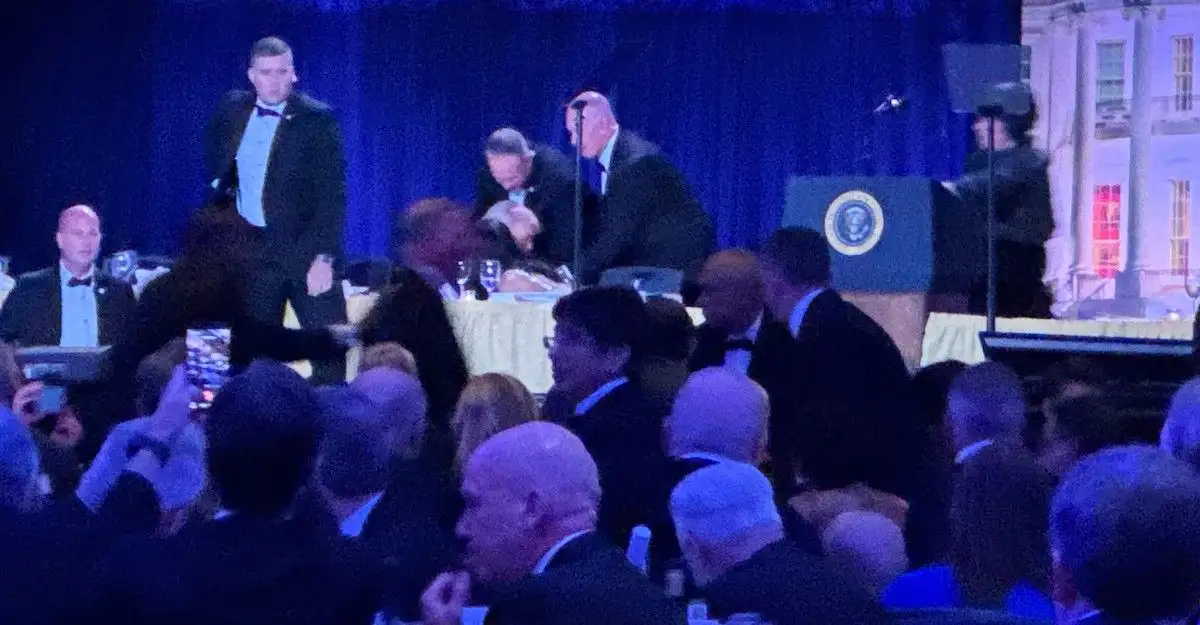
Rapid Response and Ongoing Investigations
The response to Saturday's shooting was swift. Law enforcement identified and apprehended Cole Allen shortly after the incident. Acting Attorney General Todd Blanche stated that "the system worked," highlighting the actions of law enforcement and the Secret Service in protecting attendees.
However, some Republican lawmakers are reportedly pushing for a House committee to investigate the security failures. Both House oversight and homeland security committees, along with the Senate judiciary committee, have apparently requested briefings from the Secret Service.
Read More: FBI Analysts Review Georgia 2020 Election Data in Fulton County

International Implications and Factual Discrepancies
The shooting has also had an impact on international relations. King Charles III and Queen Camilla are scheduled for a state visit, which includes meetings with President Trump. Buckingham Palace has announced that the visit will proceed as planned, though with heightened security measures in light of the recent events.
Amidst the unfolding narrative, efforts are underway to fact-check misinformation. Reports circulated regarding the shooter's alleged connection to an IDF sweatshirt and an AI-generated forgery of a passport belonging to an Indian woman. These claims are being scrutinized. President Trump himself has reportedly dismissed any connection between the shooter and the 2026 Iran war, asserting it would not impede his objectives.