Inflation Reaches Astonishing Heights in 2025
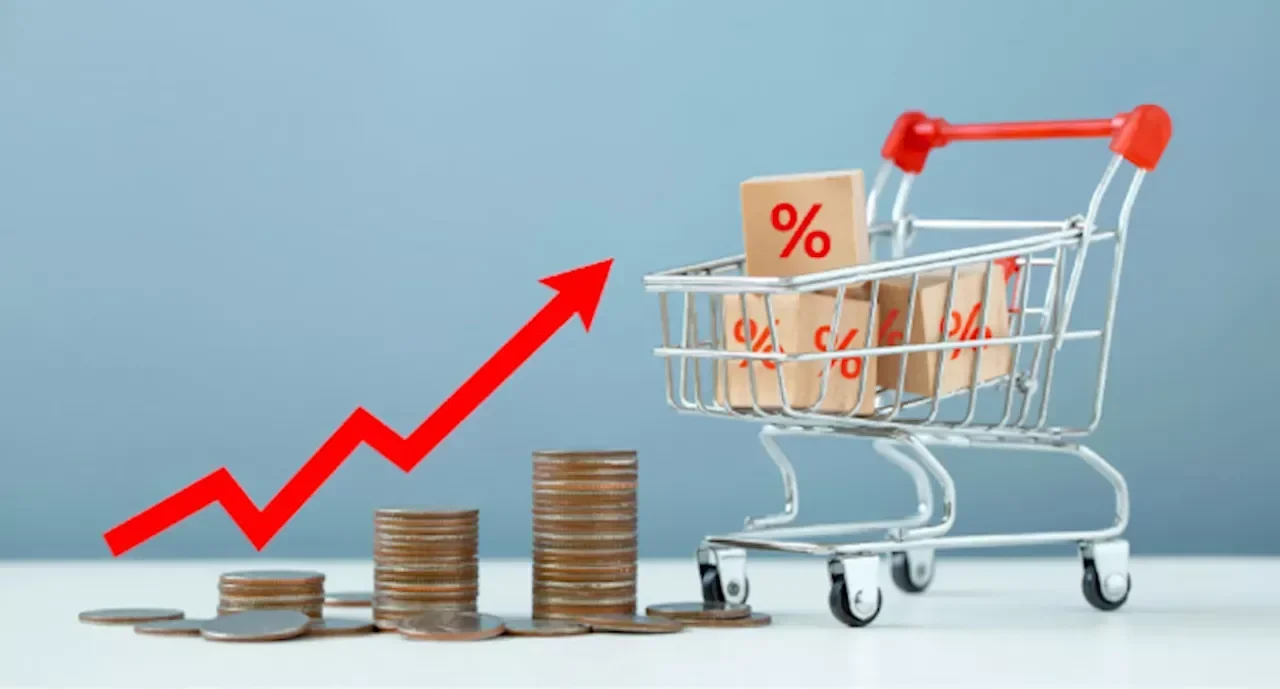
Venezuela's inflation rate in 2025 surged to an staggering 475%, officially marking it as the highest globally. This relentless price climb, however, is far from translating into tangible relief for ordinary citizens. Even as official figures paint a grim economic picture, people on the ground report persistent struggles to afford essential items.
The reported 475% inflation figure for 2025 is a stark indicator of Venezuela's ongoing economic distress, a situation compounded by the disconnect between macro-economic data and the daily lived experiences of its populace. Long queues for basic necessities like coffee and sugar, coupled with average incomes ranging from $100 to $300 per month—inadequate for food security—underscore the profound impact of these price hikes. Economists had previously cautioned against the specter of hyperinflation, a phenomenon of monthly price increases exceeding 50% that plunged the nation into economic turmoil between 2017 and 2021.
Read More: Goldman Sachs predicts 15 million US jobs lost to AI by 2036
Daily Realities and Uncertain Futures
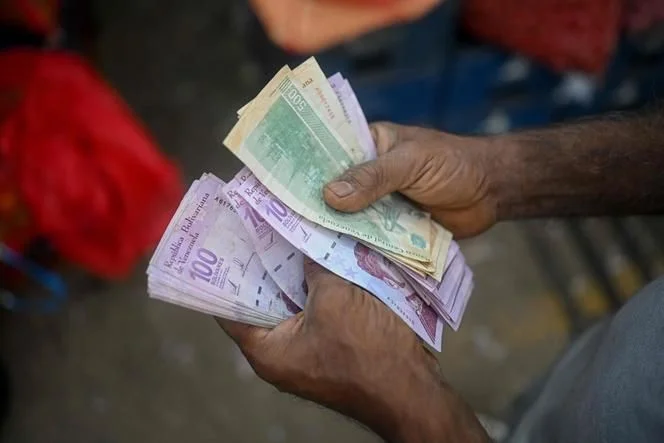
The human cost of this economic environment is palpable on the streets. For individuals like Alix Aponte, a 58-year-old accountant, the reality of shopping for even basic vegetables is a stark reminder of the disparity between official pronouncements and lived experience. Many are echoing calls for significant salary increases, desperately trying to bridge the widening gap between their earnings and the escalating cost of living.
"It shouldn’t be like this," expressed Alix Aponte, a 58-year-old accountant, reflecting a sentiment of disbelief and hardship among the population.
While the economic outlook for the remainder of 2026 remains unaddressed by official forecasts, recent developments, including pledged collaboration on oil and mineral resources between Venezuela and other governments, have spurred a measure of optimism among certain analysts. This renewed diplomatic engagement and potential for resource development, alongside anticipated sanctions relief, could be seen as nascent indicators of potential shifts.
A Legacy of Economic Instability
The current economic landscape is a complex tapestry woven from years of instability. The specter of hyperinflation, with its characteristic rapid monthly price increases, had previously devastated the Venezuelan economy between 2017 and 2021. The current inflation rate, while astronomical, signifies a continuation of this deeply entrenched economic vulnerability. The discrepancy between official economic data and the daily realities faced by citizens highlights the ongoing challenges in translating macroeconomic trends into improved living standards.