FEDERAL COURT MANDATES COMPLIANCE WITH PRESIDENTIAL RECORDS ACT
A federal judge in Washington has directed White House staff and officials to adhere to the Presidential Records Act (PRA), rebuffing a recent Department of Justice opinion that deemed the Watergate-era law unconstitutional. Senior U.S. District Judge John Bates ruled that the law is "likely constitutional" and that administration officials must take steps to ensure presidential records are retained.

The ruling effectively blocks the administration from relying on a Justice Department Office of Legal Counsel (OLC) opinion issued in April, which asserted the PRA improperly intrudes on presidential power and stated that President Trump "need not further comply" with it.
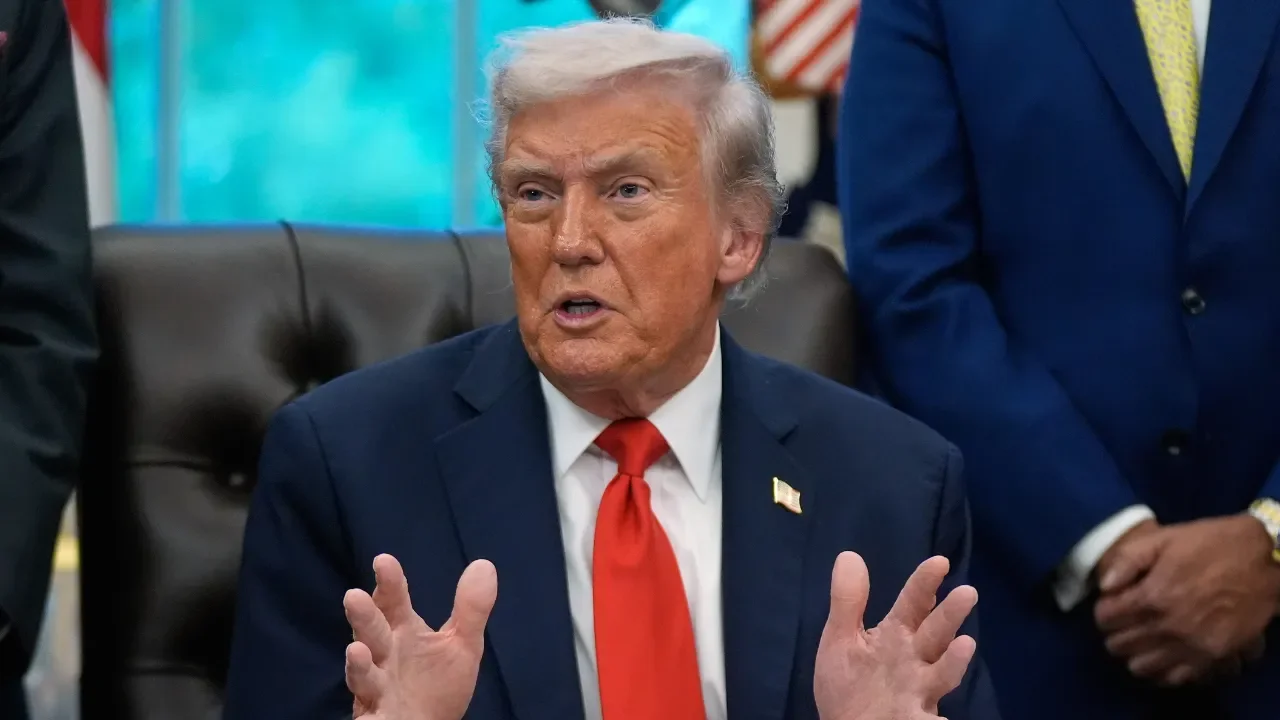
The order, scheduled to take effect on May 26, specifically mandates compliance from various White House offices, including the White House Office, the National Security Council, and the President's advisers. It also names specific individuals such as Susie Wiles, Chief of Staff to the President, and Stephen Miller, Homeland Security Advisor, as subject to the order. The court, however, stopped short of directly ordering President Donald Trump or Vice President JD Vance to comply.
Read More: Acting DNI Pulte Fires Dozens of Intelligence Officials Starting Thursday

BACKDROP TO THE RULING
The Presidential Records Act, established in 1978 following the Watergate scandal, dictates that official presidential records are the property of the public and must be preserved for eventual public access. This contrasts with the previous system where presidents could treat their records as personal property. The PRA ensures that official acts and communications, including those on personal devices, are documented.

The challenge arose when the Justice Department's OLC issued a memorandum concluding the PRA was unconstitutional, arguing it exceeded congressional powers and infringed on executive authority. In response, White House lawyers reportedly issued new internal guidance that appeared to weaken recordkeeping safeguards.
Read More: Supreme Court May Order Ayodhya Temple Fund Audit Due to Theft Claims
Groups such as Citizens for Responsibility and Ethics in Washington (CREW) and the Freedom of the Press Foundation initiated legal action, seeking to overturn the OLC's opinion and ensure the preservation of presidential records. They argued that the PRA is crucial for ensuring accountability and transparency, especially in light of historical instances of record destruction.
Judge Bates’ ruling invoked literary references, including George Orwell and William Shakespeare, to emphasize the significance of preserving presidential documents for historical record and public scrutiny. The administration has indicated its intention to appeal the decision.