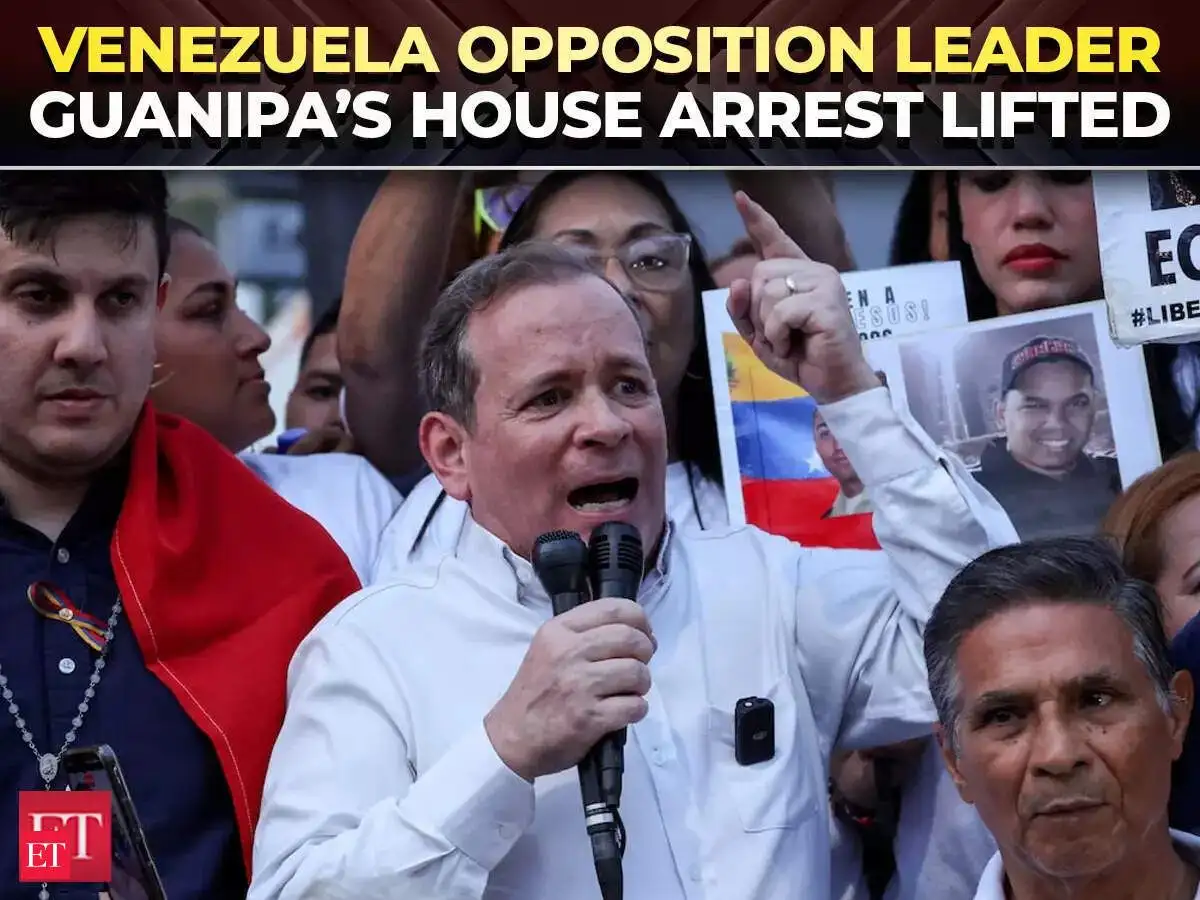
Venezuelan opposition politician Juan Pablo Guanipa has been released after an amnesty law aimed at freeing individuals prosecuted for political reasons was passed. This release occurs amidst ongoing prisoner exchanges and significant pressure from the United States, following the removal of former President Nicolás Maduro. The new legislation, which gained initial approval, intends to provide clemency for those involved in political protests and potentially repurpose detention facilities. However, concerns remain regarding the scope and application of the law, particularly given past instances of re-arrests.

Background and Timeline
The release of Juan Pablo Guanipa and other political prisoners follows a series of events that have reshaped Venezuela's political landscape.

January 3: United States forces apprehended then-President Nicolás Maduro.
January 8: The Venezuelan government announced a series of political prisoner releases.
February 8 (approx.): Rights group Foro Penal reported the release of approximately 35 political prisoners, with ongoing verification of additional cases. Several prominent opposition members were freed.
February 19 (approx.): Venezuelan lawmakers passed new legislation offering amnesty to hundreds prosecuted for political reasons over 27 years.
Recent Developments: Juan Pablo Guanipa was released from jail. Acting President Delcy Rodríguez is promoting reforms, including the potential transformation of the Helicoide detention site.
Actors Involved
Juan Pablo Guanipa: A prominent opposition politician and leader of the center-right Justice First party. He previously served as vice-president of the National Assembly.
Delcy Rodríguez: The interim President of Venezuela, who assumed leadership after Nicolás Maduro's removal.
Nicolás Maduro: The former President of Venezuela, apprehended by US forces.
María Corina Machado: An exiled opposition leader and ally of Guanipa.
United States: Has exerted pressure on the Venezuelan government for the release of political prisoners and on oil deals.
Foro Penal: A human rights group that monitors and reports on political detentions and releases.
Evidence of Releases and Amnesty Law
Official statements and reports from human rights organizations offer insight into the ongoing prisoner releases and legislative progress.
The Venezuelan government claims that since January 8, nearly 900 political prisoners have been released, although specific details are not fully available.
Foro Penal has documented the release of 11 political prisoners on a specific Sunday and is verifying more cases. They previously confirmed 383 releases since January 8.
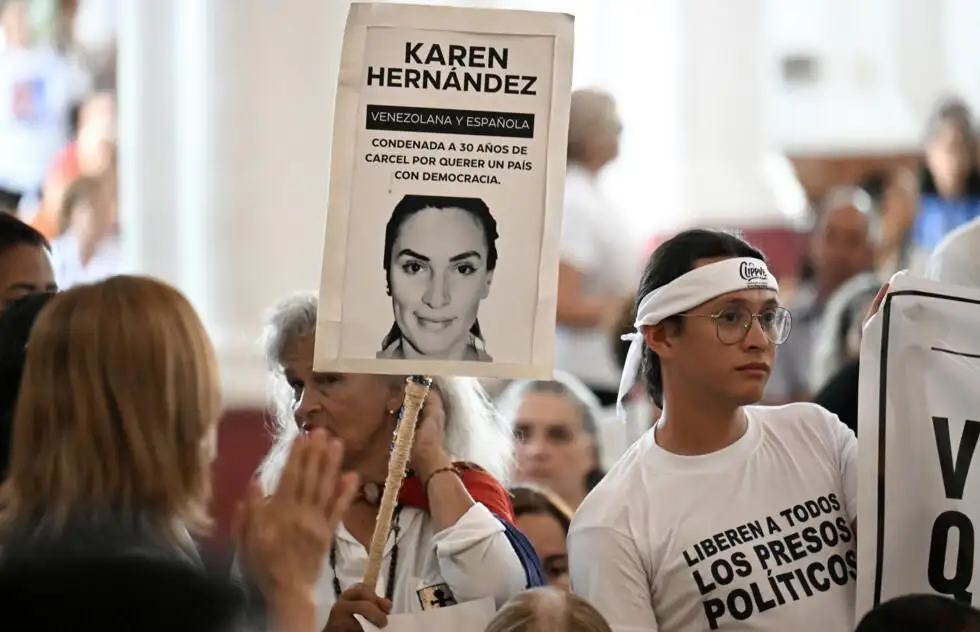
Venezuelan lawmakers passed an "amnesty law" in an initial legislative vote, which aims to grant clemency to jailed protestors.
Prisoner Releases Amidst Political Transition
The Venezuelan government has stated its commitment to releasing political prisoners, a move that coincides with broader political shifts and international pressure.
Read More: Taiwan Holds Nantou County Drills to Prepare for State Collapse

Since Maduro's capture, Venezuela's authorities have been releasing political prisoners and addressing US demands regarding oil agreements.
The government asserts that those detained have committed crimes and denies holding political prisoners. Conversely, Venezuela's opposition and human rights groups have long argued that detentions are used to suppress dissent.
The number of verified political prisoner releases by Foro Penal and the government's stated figures show a notable divergence, suggesting a need for greater transparency.
The Amnesty Law's Provisions and Concerns
The newly passed legislation is designed to offer a pathway for reconciliation, but its implementation is met with cautious optimism.
The amnesty law is intended to cover individuals prosecuted or convicted for political reasons during the past 27 years.
A proposed reform aims to convert the Helicoide detention center into a facility for sports and social services.
Rights organizations have expressed guarded optimism about the law, highlighting concerns that have been amplified by past events.
Juan Pablo Guanipa's own experience, where he was reportedly re-arrested shortly after an earlier release, underscores these reservations.
International Pressure and Domestic Reform
United States pressure has been a significant factor in the Venezuelan government's actions regarding political prisoners and reforms.
Interim President Delcy Rodríguez proposed the amnesty law under pressure from Washington following Maduro's removal.
The ongoing prisoner releases are seen as a compliance measure with US demands.
The current administration is navigating a complex domestic situation, including economic challenges and calls for stability, while managing foreign relations.
Expert Analysis
"The release of political prisoners and the passage of an amnesty law are significant steps. However, the true impact will depend on the comprehensive application of this law and the government's commitment to genuine political reform, not just as a response to external pressure." - (Attributed to unnamed observer cited by CNN)
"Foro Penal continues to verify each case to ensure that these releases align with international human rights standards and that no individuals are unjustly detained or re-arrested." - (Paraphrased statement from Foro Penal reports)
Findings and Implications
The release of Juan Pablo Guanipa and the passage of an amnesty law represent tangible developments in Venezuela's political climate. The government, under Delcy Rodríguez, is undertaking prisoner releases and legislative reform, seemingly in response to both domestic calls for change and international (particularly US) pressure.
The passage of the amnesty law signifies a formal step towards addressing past political detentions.
The scale of releases, as reported by both the government and human rights groups, indicates a significant movement of individuals from detention.
Concerns regarding the thoroughness and fairness of these processes persist, evidenced by past re-arrests and the varying numbers reported.
The role of the United States in pressuring for these changes is a key factor in the current political dynamic.
Future developments will likely involve the continued implementation of the amnesty law, the transformation of detention facilities, and the broader efforts to establish stability in Venezuela's post-Maduro era. The extent to which these changes translate into sustained democratic reforms and respect for human rights remains a subject of observation.
Read More: Venezuela Man Shows Cars After Asking for Money
Sources Used:
BBC News: Provides an overview of Guanipa's release and the amnesty law, linking it to US pressure and the broader political context post-Maduro. https://www.bbc.com/news/articles/cy57en3590no
Devdiscourse: Details the prisoner releases, the proposed amnesty law, and plans for detention center reform, highlighting US pressure. https://www.devdiscourse.com/article/politics/3797647-venezuelan-political-prisoners-freed-amidst-amnesty-discussions
CNN: Reports on the amnesty law's passage, the political backdrop under Delcy Rodríguez, and the cautious optimism from rights organizations, referencing Guanipa's past re-arrest. https://edition.cnn.com/2026/02/19/americas/venezuela-political-prisoners-amnesty-law-latam-intl
US News: Focuses on the release of prominent opposition members, including Guanipa, attributing these actions to US pressure and noting the government's denial of holding political prisoners. https://www.usnews.com/news/world/articles/2026-02-08/venezuelan-politician-juan-pablo-guanipa-freed-in-prisoner-release