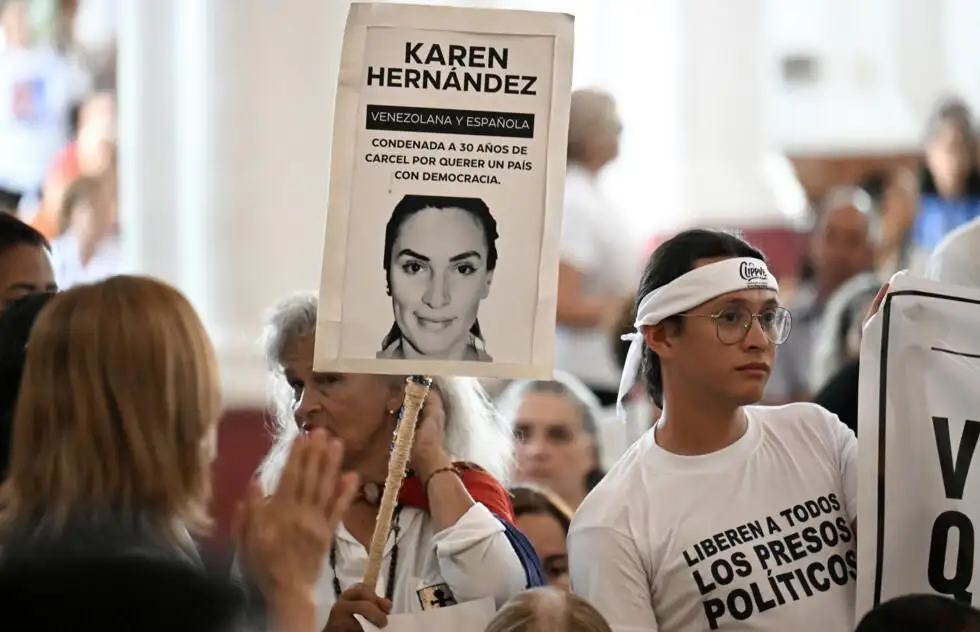
A delicate shift has occurred in Venezuela following the apprehension of Nicolás Maduro. The nascent administration, under Jorge Rodríguez, is now confronting a significant early challenge: the matter of political detainees. While official actions suggest a move towards reconciliation, including the release of numerous prisoners, concerns about accountability and the genuine extent of change persist. The international community, particularly the United States, watches closely, with its influence appearing to be a considerable factor in Venezuela's evolving political landscape. The coming weeks will likely reveal the true direction of this post-Maduro era and the government's commitment to addressing the legacy of past political repression.
The central tension revolves around the government's handling of individuals detained for political reasons during the Maduro era, with early releases contrasted against ongoing fears and demands for broader justice.
Read More: Taiwan Holds Nantou County Drills to Prepare for State Collapse
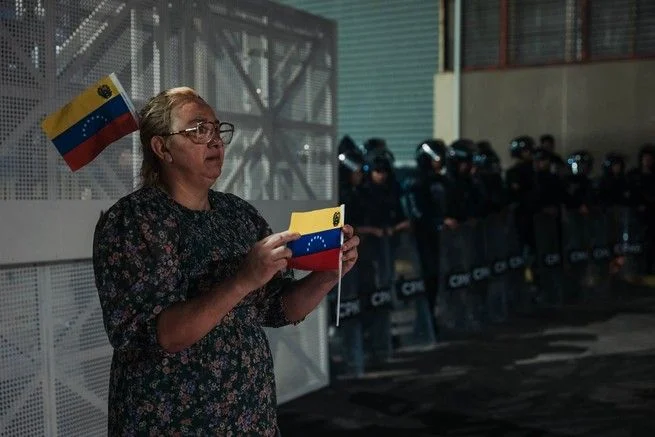
New Venezuelan Administration Debates Amnesty for Political Prisoners
Following the recent apprehension of Nicolás Maduro, Venezuela is engaged in a significant debate concerning a broad amnesty for political prisoners. National Assembly President Jorge Rodríguez is actively promoting an amnesty law.
Since January, 431 political prisoners have reportedly been released.
The release of some prominent figures, such as Nicmer Evans, occurred shortly after the U.S. military operation that apprehended Maduro.
However, figures like Jorge Rodríguez are still facing scrutiny regarding their roles and actions.
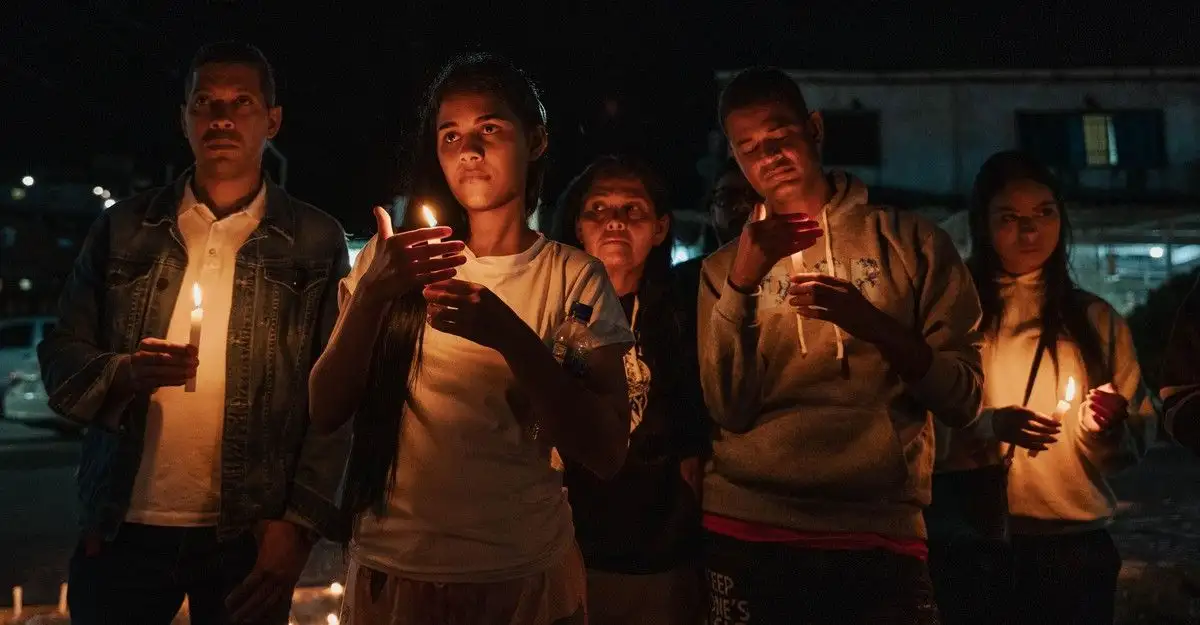
Reports suggest that individuals are apprehensive about speaking out, with some fearing punishment for their public statements regarding the treatment of prisoners, including allegations of torture.
"She told me she was almost sure that officials wouldn’t let her visit. Cordones told me she now felt certain that he’d be released one day. Cordones feared that authorities would punish her or her son for her outspokenness." - Article 1
The government has initiated releases of political prisoners, but underlying fears and potential repercussions for outspoken individuals suggest that the transition may not be entirely free of apprehension.
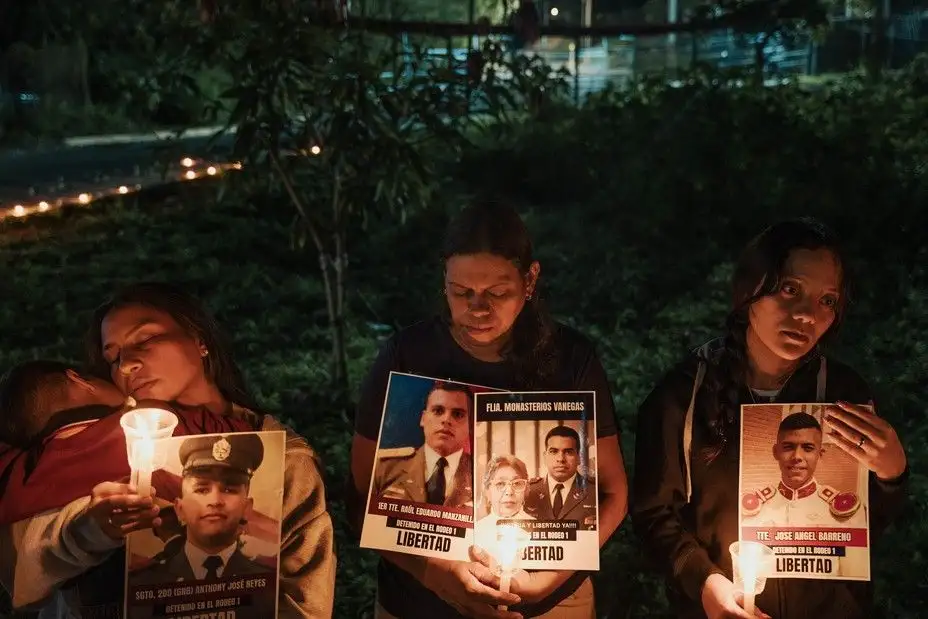
Shifting Dynamics and Lingering Apprehensions in Post-Maduro Venezuela
The departure of Nicolás Maduro has introduced a mixture of hope and unease across Venezuela. The pace of political and economic changes under the new leadership is perceived differently by various segments of the population.
Some view the changes as occurring at a "dizzying pace," while others feel they are "not quickly enough."
There is an underlying fear of further instability or reprisal, particularly if the current government, led by figures like Jorge Rodríguez, does not align with perceived U.S. expectations.
Conversely, there is hope for lasting economic improvements, an outcome long desired by Venezuelan workers.
The political narratives within Venezuela are also a subject of observation, as the country navigates its future course.
"A mix of hope and fear settles over Venezuela after US-imposed government change… Some Venezuelans still fear a second attack if Rodríguez’s government does not meet U.S. expectations — even as Washington has indicated it has no plans for further escalation." - Article 3
The transition period is characterized by a dichotomy of optimism for economic recovery and persistent anxieties about potential future instability, influenced by external expectations.
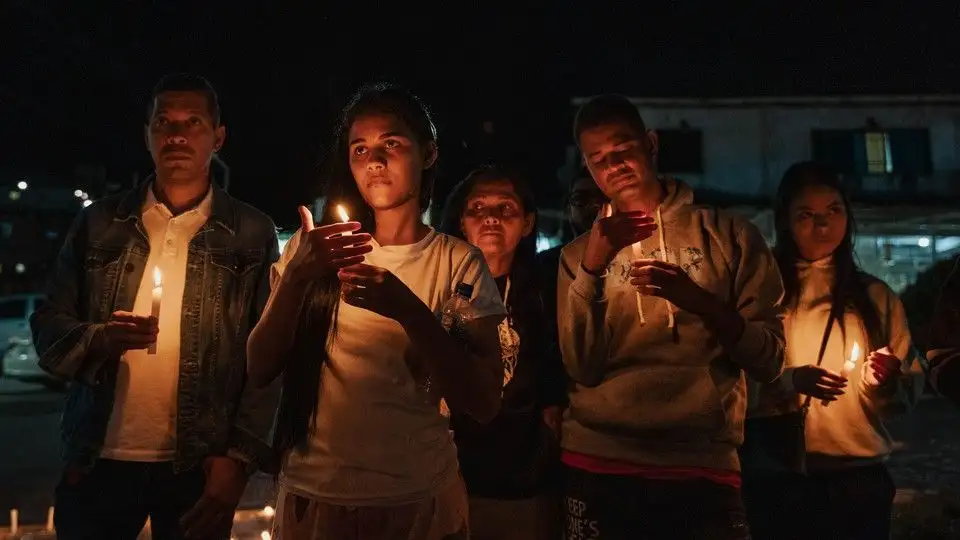
U.S. Influence and Venezuela's Evolving Political Trajectory
The United States' role and objectives in Venezuela are a significant aspect of the country's current political transition. The U.S. relationship with Venezuela is described as "delicately evolving."
Read More: Venezuela Man Shows Cars After Asking for Money
U.S. involvement in Venezuela's oil sector has a historical precedent, and discussions are ongoing regarding the realism of future U.S. participation in this sector.
The United States appears to be a key player, with its actions and expectations potentially shaping Venezuela's political and economic dynamics.
The political direction of Venezuela has "reverberations across the region," making its trajectory consequential for Latin America.
Several scenarios for Venezuela's post-Maduro future have been proposed, with "U.S. custodianship and managed transition" being an option that has been publicly considered by figures like Trump.
The broader regional implications of Venezuela's political developments are a point of analysis for experts.
"Much depends on what Washington does next and how Venezuela’s fractured polity responds. As an expert on U.S.-Latin American relations, I think five broad scenarios seem likely. US custodianship and managed transition… This option Trump has now openly floated, with Washington taking an interim custodial role in Venezuela." - Article 6
The United States holds considerable influence over Venezuela's post-Maduro landscape, with its historical economic interests and potential custodial role being central to discussions about the nation's future and its regional impact.
Underlying Tensions and the Quest for Autonomy
Despite the recent changes, questions remain about the extent of genuine autonomy for Venezuela's leadership. The assertion that "she controls the country’s political and economic dynamics, but she does not have real autonomy" suggests that external factors may continue to exert significant influence.
This lack of complete autonomy could manifest in the government's actions regarding political detainees and its broader policy decisions.
The "managed instability" scenario highlights the possibility of prolonged periods of controlled unrest, potentially impacting the nation's stability.
The extent to which the current government can independently chart its course, free from external pressures, will be a crucial determinant of its success and the nation's future.
The observation of limited autonomy for the current Venezuelan leadership raises questions about the true extent of the nation's self-determination in the post-Maduro era.
Expert Analysis on Venezuela's Post-Maduro Era
Experts view the situation in Venezuela through various lenses, emphasizing the interplay of internal politics and external influences.
The relationship between the U.S. and Venezuela is considered to be in a state of delicate evolution, with significant regional implications.
Potential political outcomes within Venezuela are analyzed for their impact on migration patterns across the region.
Scenarios for Venezuela's future range from managed transitions, where the U.S. might play a custodial role, to prolonged periods of managed instability.
"The U.S.-Venezuela relationship is still delicately evolving." - Article 4, Montoya
"The U.S.-Venezuela relationship is evolving." - Article 4, Piazza
Analysts concur that the U.S.-Venezuela relationship is in a formative stage, with significant regional consequences stemming from Venezuela's internal political trajectory.
Read More: FBI Analysts Review Georgia 2020 Election Data in Fulton County
Conclusion: A Defining Period for Venezuela's New Leadership
Venezuela is at a pivotal juncture following the apprehension of Nicolás Maduro. The administration under Jorge Rodríguez faces immediate and substantial tests, primarily concerning the release and treatment of political detainees. The government has initiated releases, signifying a potential shift, yet lingering fears of reprisal and calls for deeper accountability indicate that the transition is far from settled.
The U.S. government's influence is undeniably a significant factor shaping Venezuela's path forward. Discussions around U.S. custodianship and ongoing involvement in key sectors like oil highlight the complex relationship. The coming months will be crucial in determining whether Venezuela can move towards genuine reconciliation and stability, or if it will be susceptible to prolonged periods of instability, influenced by both internal dynamics and external pressures. The ability of the current leadership to exercise meaningful autonomy while addressing the legacies of the past will define the success of this new era.
Read More: Venezuela State TV Plans New Project to Change Migrant Story
Sources:
The Atlantic: https://www.theatlantic.com/international/2026/01/venezuela-political-prisoners-maduro/685818/
NPR: https://www.npr.org/2026/02/13/nx-s1-5709050/venezuela-debates-sweeping-amnesty-for-political-prisoners
Associated Press: https://apnews.com/article/venezuela-maduro-capture-trump-rodriguez-oil-mood-978b680e56f5dad8841793c553f281ba
RAND Corporation: https://www.rand.org/pubs/commentary/2026/02/venezuela-after-maduro-qa-with-rand-experts.html
Top-Center: https://top-center.org/en/analytics/3869/inside-venezuelas-post-maduro-era
The Conversation: https://theconversation.com/5-scenarios-for-a-post-maduro-venezuela-and-what-they-could-signal-to-the-wider-region-272675