Resurgence of Extreme Ideas Amidst Declining Trust and Escalating Rhetoric
The United States is witnessing a concerning resurgence of 20th-century ideologies, particularly fascism, among a segment of its youth. This phenomenon occurs concurrently with a marked decline in public trust towards institutions and a fraying of democratic norms. Analysts suggest this revival is linked to a generational gap, where leaders and a growing number of young people lack firsthand experience with historical conflicts like world wars and the tangible impacts of fascism and communism.
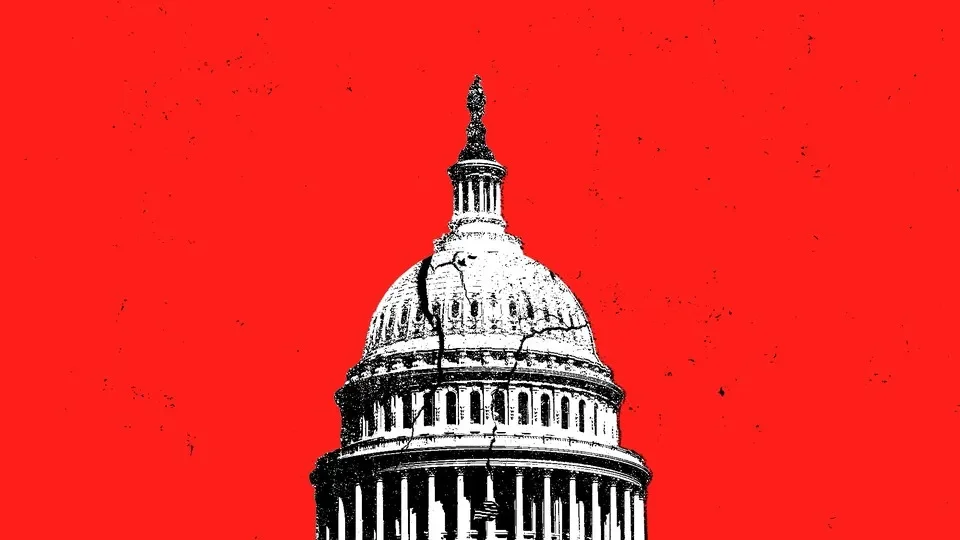
This intellectual and political regression manifests in a political landscape characterized by increasingly hostile rhetoric, with language described as the nastiest seen since the Civil War. Politicians are employing insults and harsh language, a tactic some suggest voters may find appealing, albeit implicitly. This "nasty politics," while not unique to the U.S., carries significant implications for the health of democracy.
Read More: Taiwan Holds Nantou County Drills to Prepare for State Collapse
Root Causes and Contributing Factors
Explanations for this societal shift point to a phenomenon described as "elite overproduction." This occurs when a society generates an excessive number of highly educated and wealthy individuals vying for a finite number of positions of power. This intense competition, and the associated struggle to maintain ambitions, is posited as a driver for the unraveling of democratic norms and the collapse of institutional trust. Historically, when new elites emerged, they favored protectionist policies and state-supported infrastructure to secure their industries, a pattern that might be echoed in current political debates.

The erosion of faith in politics, termed a "crisis of public faith," is also identified as a critical element. This burgeoning "dangerous cynicism" suggests a fundamental disillusionment with the political process. While the precise boundaries of acceptable political discourse are unclear and contested, a palpable "dirty side to politics" is becoming increasingly evident.
Read More: New York Mets vs Atlanta Braves 7 April 2026 NL East game preview

Echoes of Past Ambitions and Territorial Disputes
Beyond ideological fervor, there are hints of a return to more territorial and acquisitive political thinking. One analysis points to a leader’s apparent desire for Greenland, framed not as a matter of security but as a territorial acquisition. The media's portrayal of such pronouncements, often downplaying their bellicose nature, is criticized as a form of "fantasy writing," ignoring the potential for aggressive action.
Historical Context
The current political climate is drawing parallels to periods of intense ideological struggle and nationalistic fervor from the last century. The absence of direct experience with large-scale global conflicts and the stark realities of totalitarian regimes appears to have diminished the cautionary lessons these historical events offer. Without this lived or directly transmitted historical memory, education is seen as the necessary replacement, a task that seems to be falling by the wayside as fringe ideas gain traction.
Read More: FBI Analysts Review Georgia 2020 Election Data in Fulton County