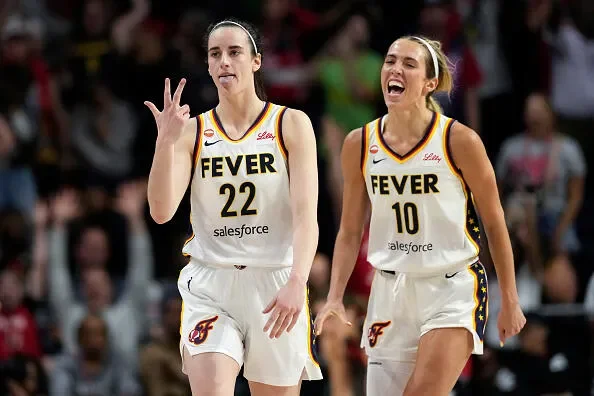
Indiana Fever guard Caitlin Clark officially condemned the escalating harassment targeting WNBA players, coaches, and staff during comments made Friday. This statement follows the fallout from a June 24 game against the Phoenix Mercury, where a non-call regarding contact to Clark's throat triggered intense online vitriol.
“None of that is OK… I feel like that’s just a real disservice to our league.” — Caitlin Clark
Alyssa Thomas, the player involved in the contact, was retroactively issued a one-game suspension for a Flagrant Foul 2 by the league office.
Following the incident, Thomas reported receiving death threats and racist abuse online.
Clark expressed frustration that the narrative surrounding these online attacks continues to overshadow athletic performance across the league.
| Stakeholder | Perspective on Incident |
|---|---|
| Caitlin Clark | Focuses on systemic "disservice" caused by toxic fan behavior. |
| Stephanie White | Criticized officiating for failure to protect a 'generational talent'. |
| Alyssa Thomas | Targeted by severe abuse including death threats. |
The Mechanics of the Friction
The incident has forced the WNBA to confront the intersection of rapid league growth and digital aggression. While Clark remains sidelined due to a back injury, her platform has shifted the discourse toward the personal cost of hyper-visibility.
The league has initiated programs intended to curb threats and vitriol, though these efforts face a decade-old trend of escalating online toxicity. For the WNBA, the challenge remains the preservation of competitive integrity against a backdrop of manufactured digital outrage that targets athletes regardless of their team affiliation or status.
Read More: FIFA World Cup 2026 Revenue Reaches $15 Billion With New Ticket Prices
Contextualizing the Narrative
The public condemnation highlights a fracture in the fan culture surrounding the league. While the sport has reached new tiers of popularity, the digital feedback loop—characterized by anonymous harassment and personal threats—has intensified. Clark’s intervention serves as a rejection of the idea that high-level professional athletics inherently justify the harassment of individuals, attempting to re-center the conversation on the league's quality of play rather than the cycle of reaction.