Entry Curbs for Non-Citizens from Congo, Uganda, South Sudan
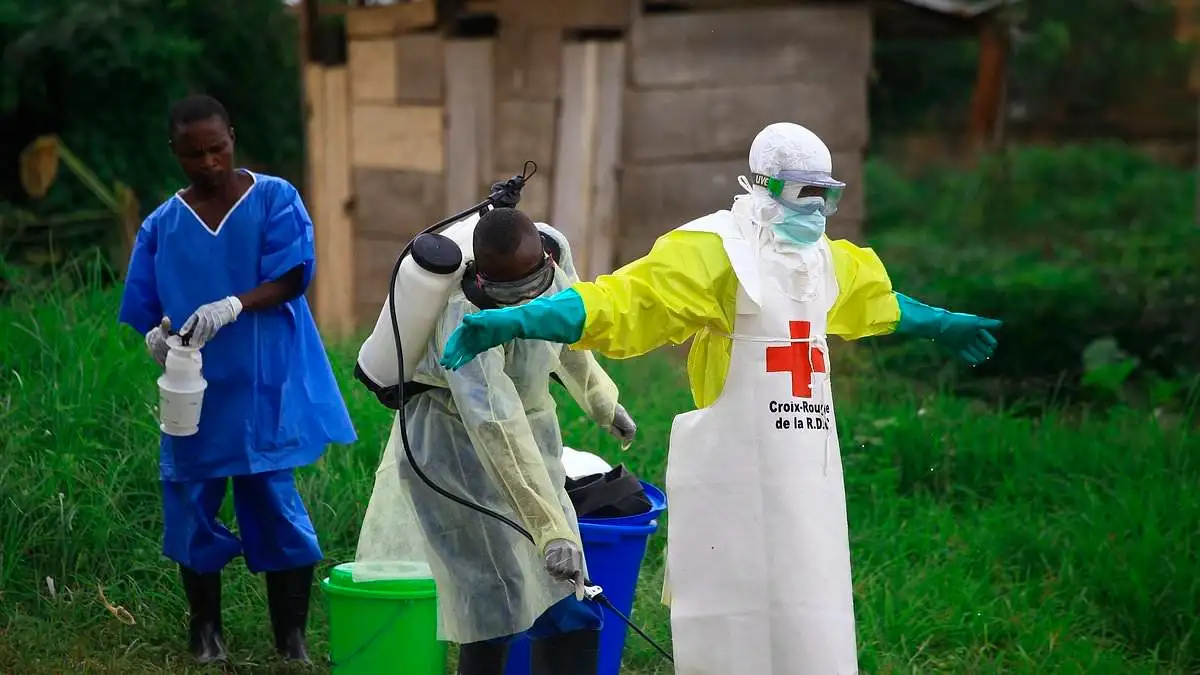
Washington DC - The United States has implemented sweeping travel restrictions, barring non-US passport holders who have recently visited the Democratic Republic of Congo (DRC), Uganda, and South Sudan from entering the country. The move, announced by the Centers for Disease Control and Prevention (CDC) and the Department of Homeland Security (DHS), comes in response to a rapidly escalating Ebola Virus Disease (EVD) outbreak in Central Africa. Travelers from these nations without US passports who have been in the affected regions within the past 21 days will be denied entry. American citizens and permanent residents returning from these areas will, however, be subjected to enhanced health screenings.
Outbreak Escalates, International Emergency Declared
The stringent measures follow a declaration by the World Health Organization (WHO) classifying the Ebola outbreak as a "public health emergency of international concern" (PHEIC). This declaration signals the gravity with which the global health body views the spread of the virus. The WHO cited the outbreak's large size, clusters of suspected cases and deaths in multiple DRC health zones, fatalities among healthcare workers, and geographically distant, seemingly unlinked cases as reasons for concern. Factors such as ongoing insecurity, humanitarian crises, high population mobility, and the presence of informal healthcare facilities in the affected regions are seen as exacerbating the risk of further spread.
Read More: India IVF Costs And Social Barriers Limit Access In April 2026
Confirmed Cases and Human Cost
As of Monday, the reported figures indicate a grim toll. In the DRC's eastern Ituri province, over 395 suspected cases have been recorded, with at least 100 deaths attributed to the virus. Uganda has reported one death amidst confirmed cases. Reports also confirm an American doctor, Dr. Peter Stafford, working for an international Christian aid group, has been infected with Ebola after treating patients in the outbreak zone in Congo. His wife and two other doctors also had exposure to infected patients.
Critical Questions and Expert Scrutiny
While the US administration frames these restrictions as proactive measures to safeguard public health, some experts express reservations. Dr. Krutika Kuppalli, an infectious diseases specialist formerly with the WHO, noted that travel bans do not effectively halt viral spread and can, in fact, hinder containment efforts. Her perspective suggests a critical look at the efficacy and potential unintended consequences of such broad entry prohibitions.
Read More: US Restricts Entry From Uganda, DRC, South Sudan Due to Ebola
Enhanced Domestic Preparations
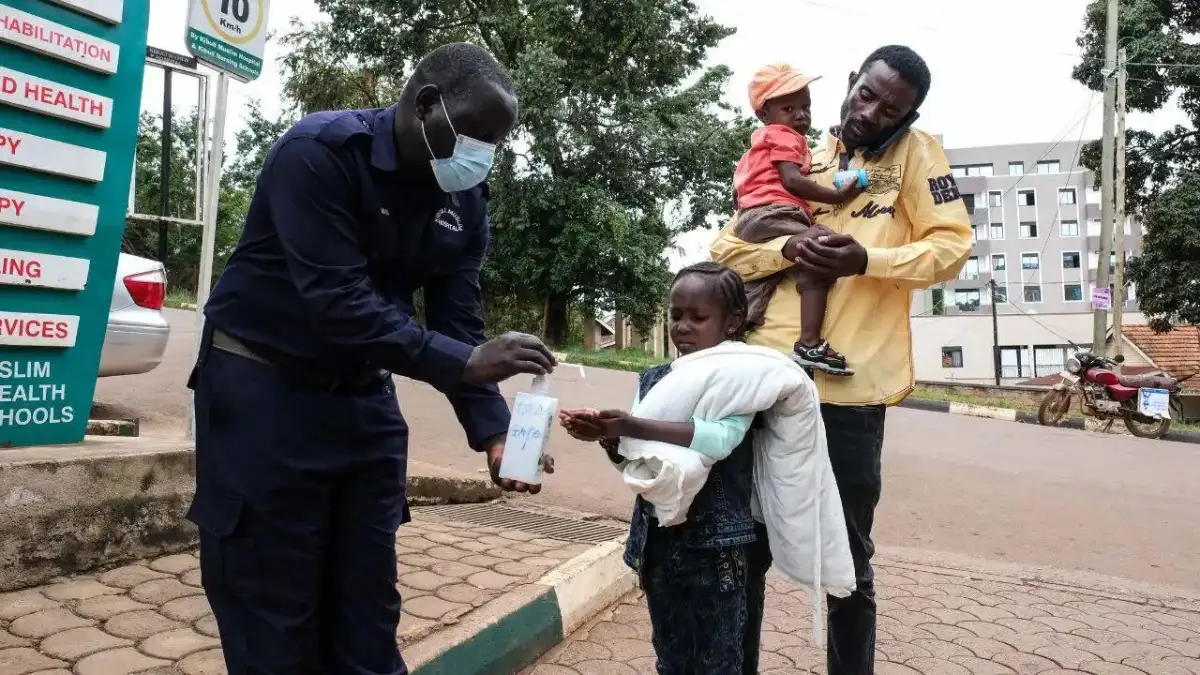
Beyond border controls, the CDC is bolstering domestic readiness. Efforts include the deployment of personnel to support outbreak containment in affected regions, enhanced port health protection, contact tracing, laboratory testing capacity, and hospital preparedness nationwide. The CDC emphasizes that while these measures are in place, the immediate risk to the general public in the U.S. remains low. Travelers exhibiting symptoms such as fever, weakness, vomiting, diarrhea, or unexplained bleeding within 21 days of travel to affected areas are strongly encouraged to monitor their health and seek immediate medical attention.
Background:
This is not the first time the US has imposed travel restrictions in response to an Ebola outbreak. However, this marks the first instance of a travel ban specifically linked to an Ebola epidemic. Neighboring countries like Rwanda and South Sudan are reportedly on "high alert" as health authorities scramble to set up new treatment centers, though concerns remain about the adequacy of available resources. The international community's response, including the WHO's emergency declaration, underscores the significant challenges in controlling a disease with a high mortality rate in complex, often unstable environments.
Read More: Georgia Toffolo's Lake Como Trip After Fertility Talks