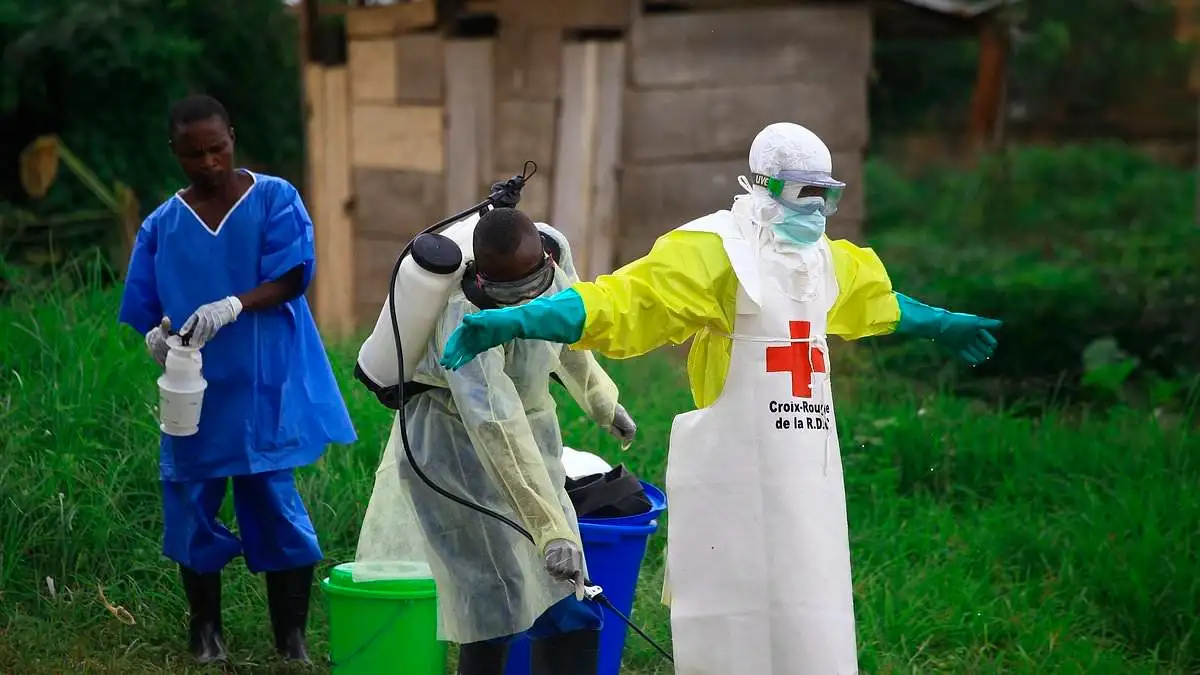
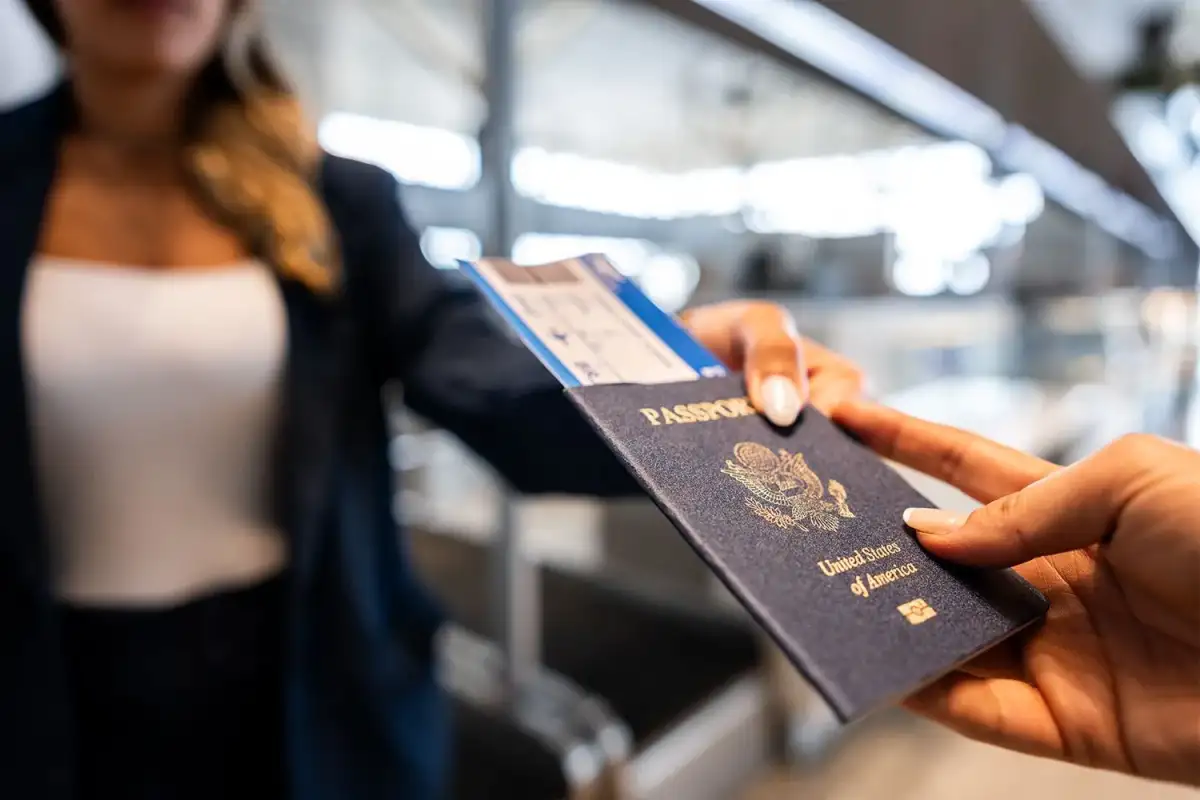
Travel restrictions are now in effect for the United States, barring entry for non-US passport holders who have recently been in Uganda, the Democratic Republic of the Congo (DRC), or South Sudan. This move by the Centers for Disease Control and Prevention (CDC) and the Department of Homeland Security follows the confirmation of an American contracting the Ebola virus while working in the DRC.
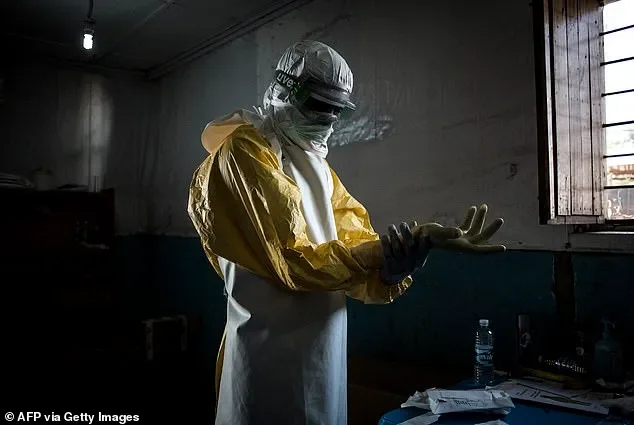
The affected individual, an American doctor working as a missionary, tested positive for Ebola and is being transferred to Germany for treatment, along with six other high-risk American contacts. The World Health Organization (WHO) has classified the escalating outbreak as a "public health emergency of international concern," citing the growing number of cases and fatalities, as well as worrying trends like undetected deaths occurring outside health facilities.
Read More: India IVF Costs And Social Barriers Limit Access In April 2026
Case and Outbreak Details
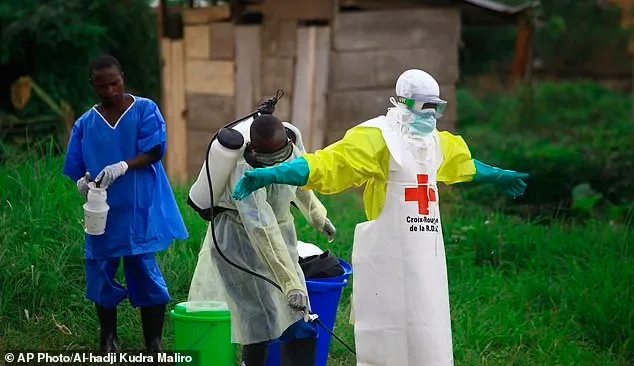
The current Ebola outbreak, confirmed in Ituri Province, DRC, has resulted in 131 deaths in the DRC as of Tuesday, according to the DRC's health minister, Dr. Samuel Roger Kamba. Neighboring Uganda has also reported one death. The first suspected case, a health worker in the DRC, began showing symptoms on April 24. Concerns are mounting about the spread of the virus, with health experts pointing to undetected cases as a significant factor. The high fatality rate, with Ebola killing approximately half of those infected, underscores the gravity of the situation.
US Response and Public Health Measures
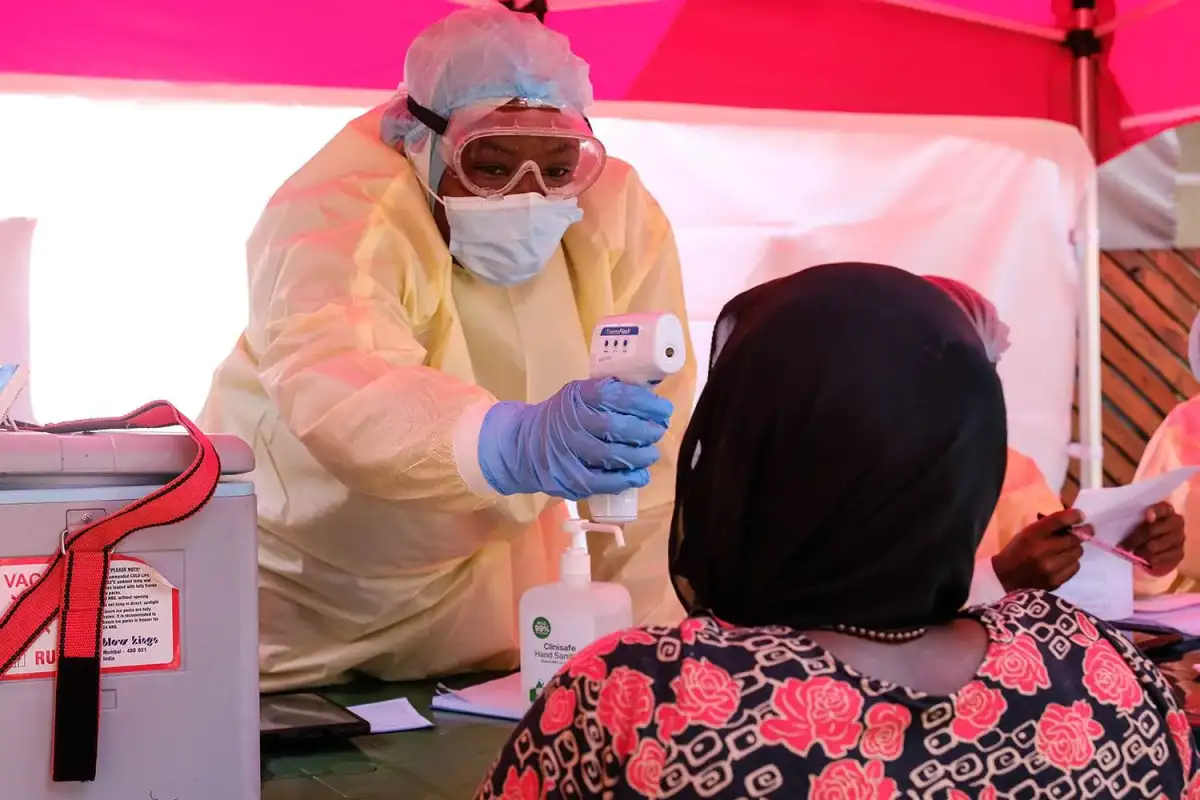
The CDC is actively deploying personnel to support containment efforts in the affected regions. The agency is also enhancing port health preparedness, contact tracing, laboratory testing, and hospital readiness nationwide. Travelers arriving in the US who have transited through the affected countries are being advised to monitor for Ebola symptoms for up to 21 days after departure. These symptoms can include fever, weakness, vomiting, diarrhea, and unexplained bleeding. The CDC has emphasized that the immediate risk to the general public in the US is considered "low."
Read More: US travel ban for non-citizens from Ebola zones in Africa
Background on the Outbreak
The WHO's declaration of a "public health emergency of international concern" on May 17 highlights the serious nature of the situation. Four health workers are among the suspected deaths. The agency warned that the current trajectory, marked by a high positivity rate and increasing cases across multiple health zones, suggests the possibility of a substantially larger outbreak. The circumstances surrounding the deaths of health workers have raised particular concern about transmission within healthcare settings and potential breaches in infection control measures.