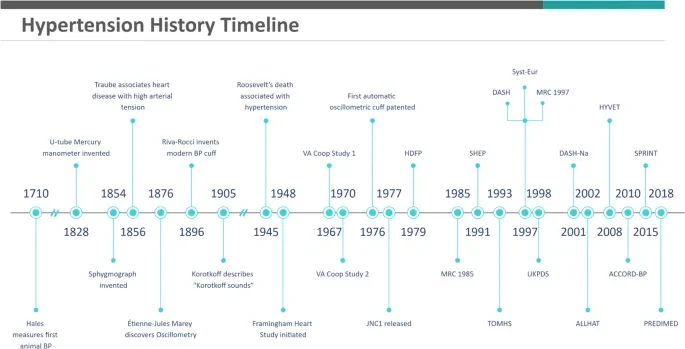
The field of epidemiology, charting population health patterns, has intertwined with the understanding of hypertension, a condition long recognized for its silent, insidious damage. For decades, while the precise cause of most hypertension remained obscure, cumulative evidence pointed to elevated blood pressure as a silent saboteur, gradually degrading blood vessels, kidneys, the retina, the heart, and the brain. A significant historical benchmark was President Franklin D. Roosevelt's documented blood pressure readings, soaring to around 260/150 mm Hg, which, while alarming, did not prompt aggressive treatment focused on lowering the pressure itself. Instead, the medical discourse then emphasized early detection and long-term prevention, grappling with whether hypertension was an independent disease or merely a marker of vascular aging.
Tracking the Silent Killer
Contemporary approaches to understanding hypertension are increasingly sophisticated. The use of 'Polygenic Risk Scores' now aids in predicting the onset of hypertension and associated cardiovascular risks, as detailed in recent research. This builds upon earlier observations regarding the significance of factors like the sodium-to-potassium ratio in relation to blood pressure.
Read More: India IVF Costs And Social Barriers Limit Access In April 2026
The role of the kidneys in the development of hypertension remains a focal point. Investigations delve into how kidney disease precipitates hypertension, exploring concepts like 'renal parenchymal hypertension' and the direct link between blood pressure and end-stage renal disease. Research also examines renal neural mechanisms and the impact of injuries mediated by systems like angiotensin II.
A Shifting Medical Narrative
The definition and treatment of hypertension have evolved considerably. Early efforts focused on measurement and detection, with organizations like the 'Joint National Committee on Detection, Evaluation, and Treatment of High Blood Pressure' establishing guidelines. The history of this research traces the journey from basic blood pressure measurements to the development of antihypertensive drugs.
Despite advancements, the complexity of hypertension persists. The disease is often characterized by its lack of obvious symptoms, earning it the moniker "the silent killer." This inherent characteristic has historically complicated its diagnosis and management, requiring persistent observation and analysis of long-term health outcomes.
Read More: FDA Approves Wegovy for Liver Disease with Scarring