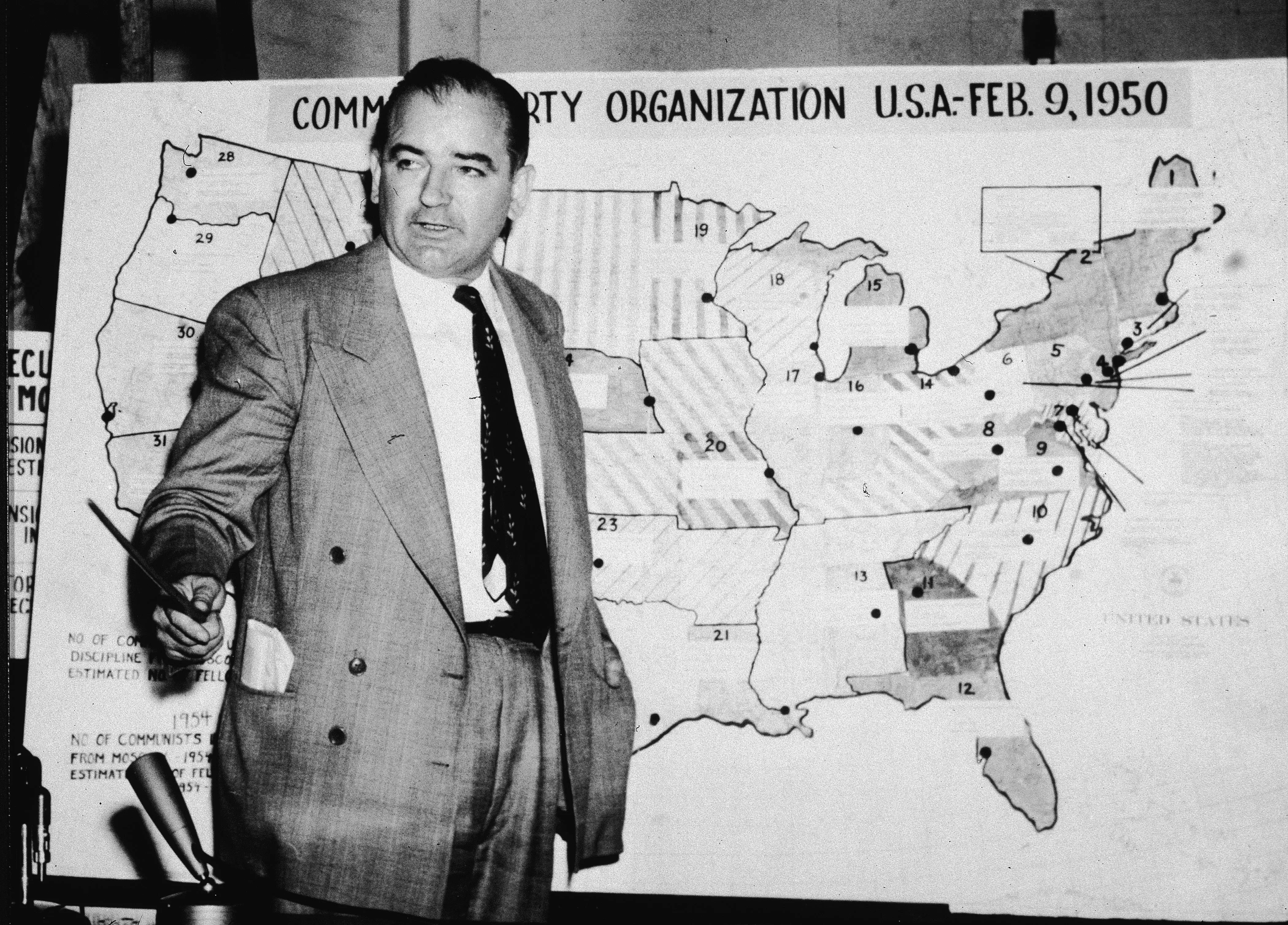
The Supreme Court of the United States has issued a ruling that effectively strikes down established limits on political spending. By choosing to disregard the legal standing set in Colorado Federal Republican Campaign Committee, the majority of justices have signaled that financial contributions to political efforts will face no meaningful oversight regarding total volume.
The removal of these caps grants significant fiscal leverage to wealthy donors and organizations, allowing for an unchecked influx of capital into the American electoral system.
Structural Implications of the Ruling
The decision marks a pivot from previous judicial interpretations that sought to balance free expression with the integrity of the voting process.
Precedent Displacement: The court bypassed the Colorado framework, which previously functioned as a stabilizer for campaign finance regulation.
Fiscal Concentration: The current legal environment allows individuals and entities with substantial capital to influence the political trajectory without the previous constraints on expenditures.
Systemic Feedback: Critics argue this accelerates a trend where democratic outcomes are increasingly tied to the financial capacity of interest groups rather than the aggregate will of the electorate.
| Metric | Pre-Ruling Status | Post-Ruling Status |
|---|---|---|
| Spending Limits | Regulated | Unconstrained |
| Legal Precedent | Colorado Federal Republican | Discarded/Overridden |
| Influence Barrier | Subject to Caps | Effectively Removed |
"The writing appeared to be on the wall when the justices accepted the case for consideration last year. The flow of money into U.S. politics is already harming democracy, and now, it’s about to get worse."
Historical Context and Legal Trajectory
This ruling represents the culmination of a long-standing shift in how the high court views the intersection of currency and political speech. By rejecting the premise that money must be restricted to ensure fairness, the Court has shifted the burden of political viability onto the ability to amass capital.
Read More: Taiwan Holds Nantou County Drills to Prepare for State Collapse
The political-economy impact of this decision suggests a future where the cost of participation in the national discourse will escalate. With today being 04/07/2026, observers are left to quantify how this specific change in the legal landscape will manifest in upcoming campaign cycles, particularly as institutional-trust remains a point of contention within the electorate. The Court's move suggests a preference for unfettered participation—defined here by the power of the purse—over the previous emphasis on balanced influence.