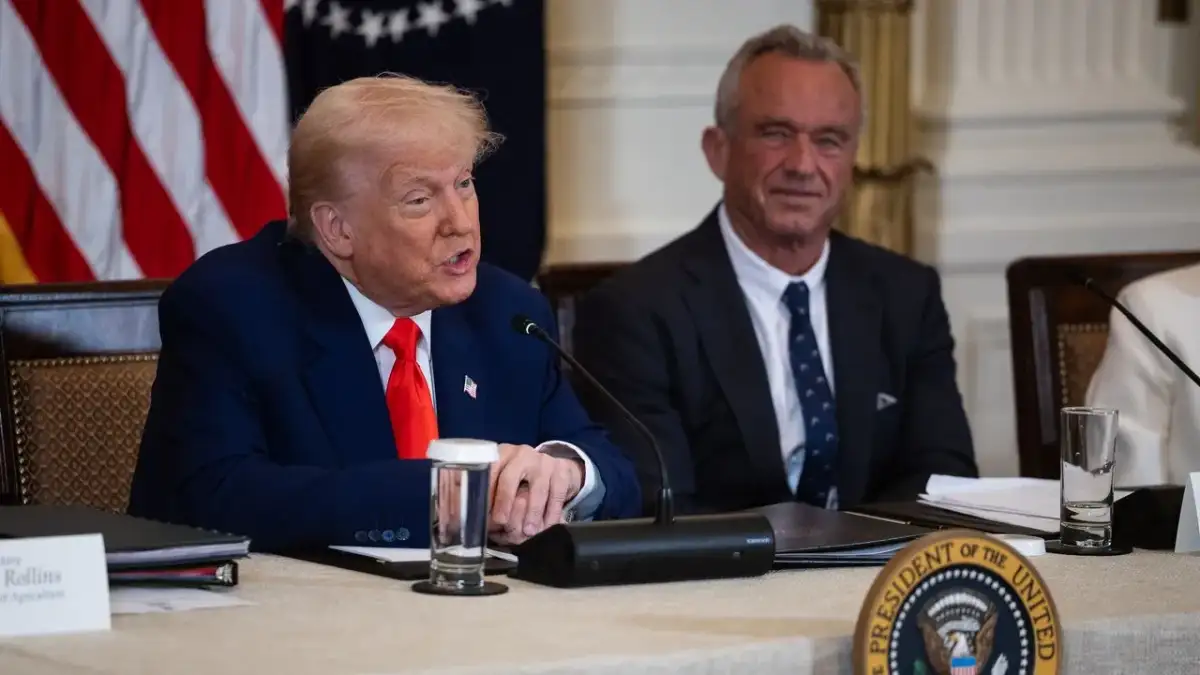
The Food and Drug Administration (FDA) quietly withdrew a proposed regulation that would have required mandatory asbestos testing for talc-based cosmetic products. The decision, executed the day before Thanksgiving 2025, has ignited a deepening rift between the Trump administration and the Make America Healthy Again (MAHA) movement led by Robert F. Kennedy Jr.
The withdrawal follows reported meetings between Johnson & Johnson executives and White House officials. Internal pressure to dismantle the rule reportedly originated from the Office of Management and Budget and legal counsel within the executive branch, effectively halting oversight measures intended to identify carcinogens in consumer powders.
Regulatory Retreat and Corporate Influence
Evidence of Influence: Industry stakeholders have consistently denied negligence regarding talc safety. The timing of the rule’s termination aligns with legal proceedings where Johnson & Johnson successfully defended against liability claims.
Structural Dissent: Sources close to the MAHA movement describe the administrative pivot as a "heavily coordinated" effort to appease corporate interests at the expense of the public health platform that served as a central pillar of the recent election cycle.
Administrative Stance: Government officials maintain that the reversal is the result of established legal procedures and scientific review, rejecting characterizations of political interference.
A Pattern of Policy Reversal
This move follows a broader trend of deregulation regarding hazardous substances. The Environmental Protection Agency (EPA) has similarly signaled a reconsideration of the Biden-era ban on chrysotile asbestos, a substance linked to approximately 40,000 annual deaths in the United States.
Read More: India IVF Costs And Social Barriers Limit Access In April 2026
| Policy Area | Prior Status | Current Trajectory |
|---|---|---|
| Talc Testing | Mandatory Proposal | Rule Withdrawn |
| Asbestos Ban | Implemented (2024) | Reconsideration Pending |
| Chemical Safety | Stricter Oversight | Deregulatory Review |
Historical Context
The ideological fracture centers on conflicting interpretations of public safety and industrial autonomy. While the MAHA platform gained political traction on promises to address chronic health issues and environmental toxins, the Trump administration faces conflicting pressures from industries reliant on materials like asbestos and chemical manufacturing.
Historical tension is notable: Donald Trump previously characterized asbestos as "100 percent safe, once applied" in his 1997 work, The Art of the Comeback. As the current administration navigates the overlap between its populist base and established corporate ties, the divide over chemical regulation remains a primary indicator of the movement’s internal instability.
Keywords: FDA, Talc, Asbestos, MAHA, Regulatory Policy