Lawmakers are set to try once more to rein in President Trump's power to wage war in Iran. The U.S. Senate plans a vote next week on a resolution aimed at halting the ongoing military action and requiring the president to seek approval from Congress for any further attacks. This comes after President Trump announced a two-week ceasefire.

The move by Senate Democrats, led by Leader Chuck Schumer, signals a renewed effort to assert congressional authority over military engagements, a power they argue has been eroded by the executive branch.

In parallel, Representative Hakeem Jeffries, the Democratic leader in the House, indicated that the House would also consider a similar resolution. The push follows a period of heightened tension, with Trump having issued a deadline for Tehran to reopen the Strait of Hormuz, threatening severe action against civilian infrastructure. Iran maintains its nuclear program is for peaceful purposes.
Read More: Taiwan Holds Nantou County Drills to Prepare for State Collapse

Stalemate in Congress
Previous attempts to curb Trump's war powers have faltered. In early March, the Senate rejected a similar resolution, with Republicans largely voting along party lines to block the measure. This vote, which failed 53-47, underscored the deep partisan divide on foreign policy and the significant influence Trump's party holds in both legislative chambers. Democrats have argued that Trump has circumvented Congress and offered shifting justifications for the conflict.
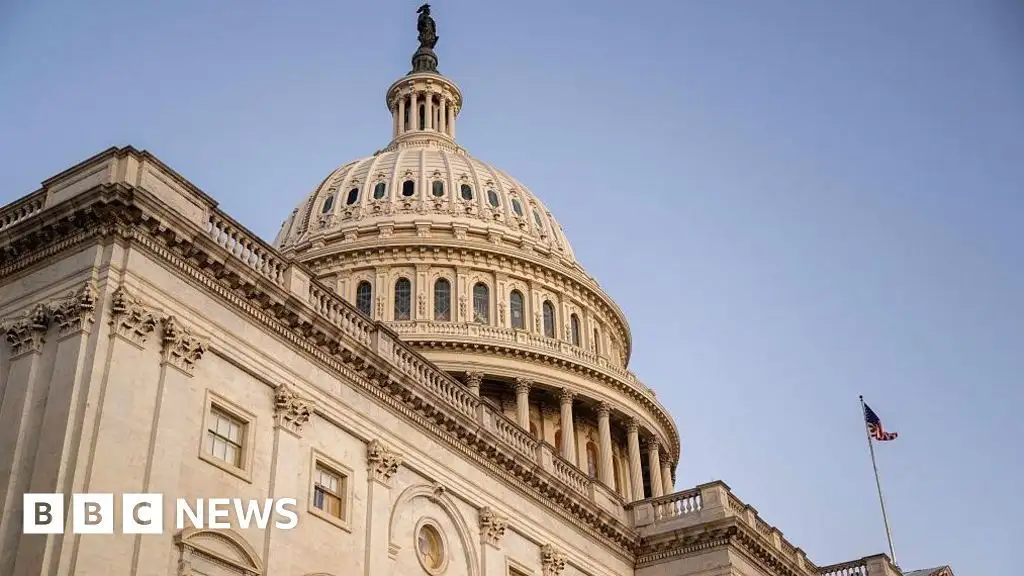
"Congress must reassert its authority, especially at this dangerous moment," Schumer stated, highlighting the perceived urgency of the situation.
Background to the Conflict
The U.S. has been engaged in military actions against Iran, described by the Trump administration as a decisive victory. However, concerns persist among some lawmakers about the legality of these actions and the risk of prolonged conflict. These efforts to limit presidential war-making authority are not new, with at least eight such resolutions having been voted on by Congress since June of the previous year. The repeated attempts highlight an ongoing struggle between the legislative and executive branches over the control of U.S. military interventions abroad.