The United States has significantly escalated its campaign against Iran's oil exports, specifically targeting Chinese entities involved in the trade. This intensified pressure aims to choke off revenue streams the U.S. claims fund terrorism and regional destabilization. Recent actions have focused on Chinese petroleum terminal operators, refineries, and financial intermediaries, alongside shipping companies and vessels facilitating these transactions.
Washington's strategy involves a multi-pronged approach. The Department of State has designated entities and individuals involved in the trade of Iranian petroleum and petrochemical products. Concurrently, the Department of the Treasury has imposed sanctions on Iran’s financial infrastructure, specifically targeting currency exchange houses, affiliated individuals, and companies seen as funding the regime's activities. These measures are enacted under executive orders aimed at those operating in Iran’s petroleum and petrochemical sectors.
Read More: AFP Reviews War Crime Claims Against Australian in Gaza
Recent sanctions announcements have hit major players. One of China's largest "teapot" refineries, Hengli Petrochemical (Dalian) Refinery, has been sanctioned for being a significant customer of Iranian crude oil and petroleum products. The U.S. Treasury has also expanded its reach to include port terminal operators in Shandong Province and logistics providers linked to Iranian oil shipments.
The U.S. has also warned financial institutions globally about the risks of engaging with these sanctioned Chinese refineries. These institutions could themselves face sanctions if they facilitate transactions involving designated refineries or other entities importing Iranian oil. Financial institutions are urged to implement risk-based controls, conduct enhanced due diligence on transactions involving China-based refineries, particularly those in Shandong Province, and clearly communicate sanctions compliance expectations.
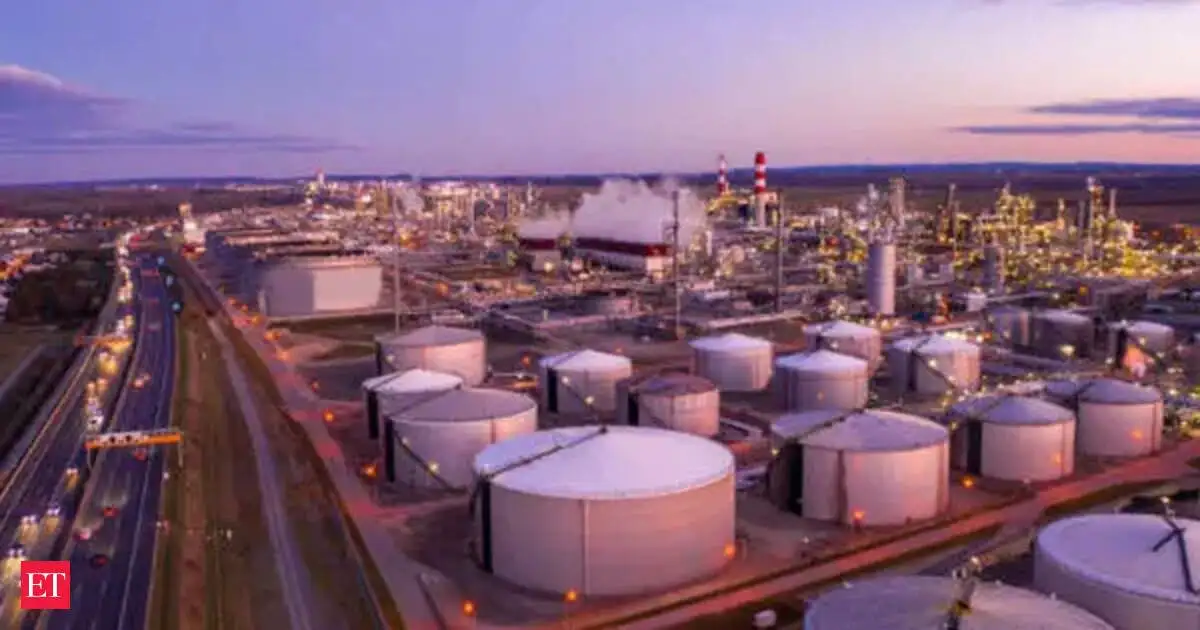
This crackdown comes amidst a volatile global energy market, with ongoing conflicts in the Persian Gulf impacting oil and natural gas shipments and driving up prices. The U.S. has also ended waivers on Russian oil and has stated its willingness to apply secondary sanctions on countries and entities buying Iranian oil or holding Iranian funds.
Read More: Why AI Market Growth Is Slowing Down As Of April 2026
The complexity of these oil shipments is highlighted by the use of "ship-to-ship transfers," often employing older vessels, to obscure the origin of the oil. These transfers frequently occur in sensitive maritime areas like the Persian Gulf or the Strait of Malacca.
Some of these Chinese refineries have historically utilized the U.S. financial system for dollar-denominated transactions and to procure U.S. goods. The U.S. asserts that the revenue generated from these oil dealings ultimately benefits the Iranian regime, its weapons programs, and its military. Treasury officials have indicated that further sanctions are probable as they continue to target networks, intermediaries, and buyers that enable Iran's oil trade.
It is noted that China purchases a substantial portion of Iran's oil exports, with these independent refineries handling the majority of these imports. The U.S. Treasury is leveraging "full range of available tools and authorities" and is prepared to impose secondary sanctions on foreign financial institutions that continue to support Iran's activities.
Read More: Indus Waters Treaty remains suspended in India and Pakistan April 2026