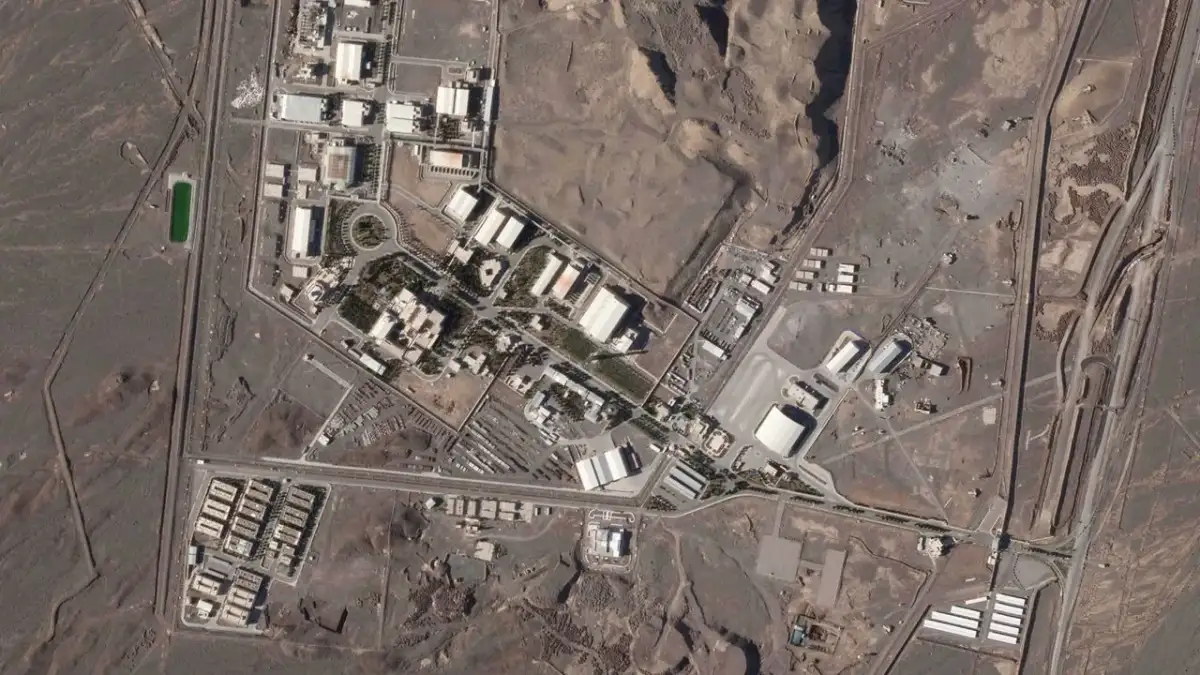
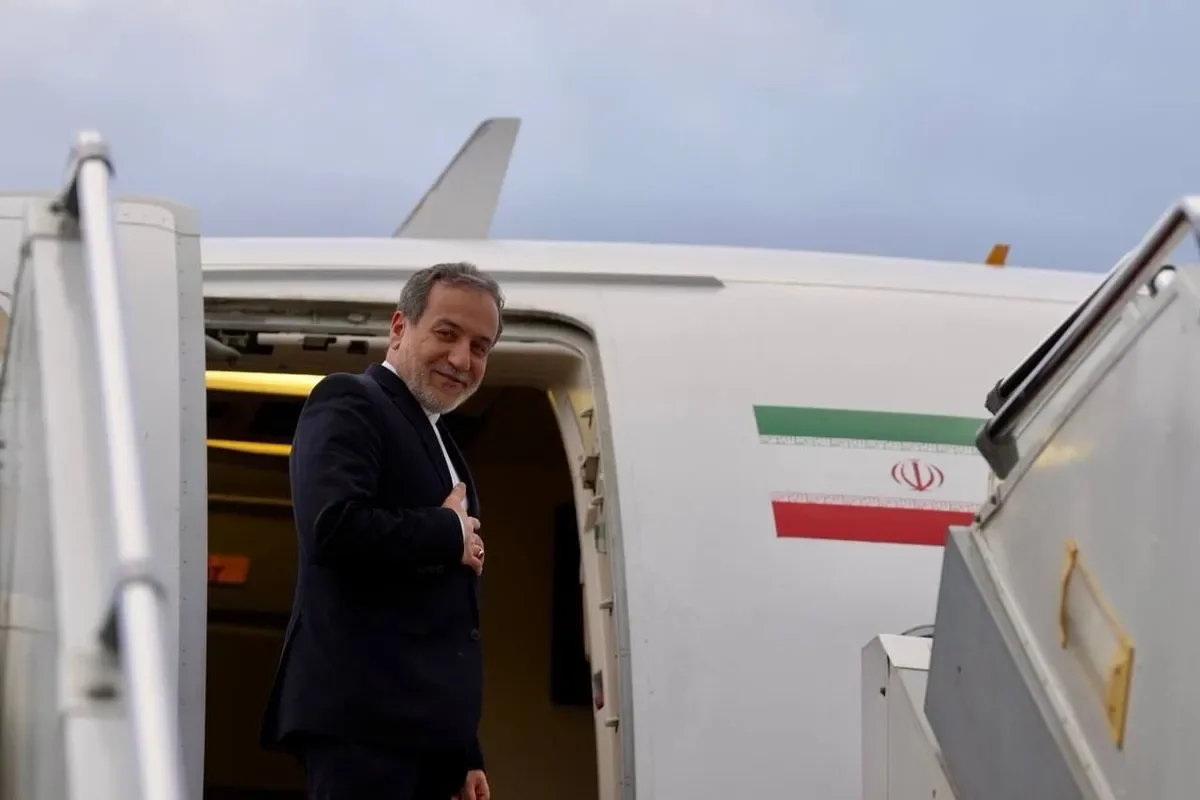
Recent escalation in the Strait of Hormuz region is creating jitters for global trade and financial markets, with investors closely watching the geopolitical maneuverings and their potential impact on oil shipments and central bank policies.
In recent weeks, the vital Strait of Hormuz has become a focal point, drawing attention due to heightened tensions and discussions surrounding maritime security. Reports indicate that U.S. President Trump has been engaging with several nations regarding potential escorts for shipping through the waterway, though no concrete agreements have materialized as of early March 2026. This uncertainty fuels a climate of caution among investors, impacting trading floors worldwide.
The geopolitical climate in the region has seen significant developments, including Israeli air strikes on Tehran and Iranian missile responses following the reported killing of Supreme Leader Ali Khamenei. While the immediate foreign exchange market reaction was described as muted, with slight shifts in currency values, the underlying apprehension about the stability of global oil trade remains a key concern.
Read More: Iran Zagros Mountain Nuclear Site Construction Update April 2026
This instability is casting a shadow over financial markets. European and U.S. stock futures have shown downward pressure, albeit recovering slightly from earlier lows. The broader implications are also being felt in the monetary policy sphere. Investors are closely scrutinizing the anticipated moves of major central banks. Expectations are high for interest rate hikes by the European Central Bank, the Bank of England, the Bank of Canada, and the Riksbank. Meanwhile, the Reserve Bank of Australia is also poised for a potential second consecutive rate increase. These deliberations by central banks are occurring against a backdrop of volatile geopolitical events, adding another layer of complexity to market forecasting.
Background on Strait of Hormuz Tensions
The Strait of Hormuz, a narrow waterway connecting the Persian Gulf to the Gulf of Oman, is a critical chokepoint for global oil transportation. Approximately 30% of the world's seaborne oil trade passes through this strategic passage. Any disruption or perceived threat to shipping in this region has the potential to significantly impact global energy supplies and prices. The current situation reflects a continuation of long-standing geopolitical sensitivities in the Middle East, with recent events injecting a new sense of urgency into the discussions surrounding regional security and international cooperation.
Read More: Why AI Market Growth Is Slowing Down As Of April 2026