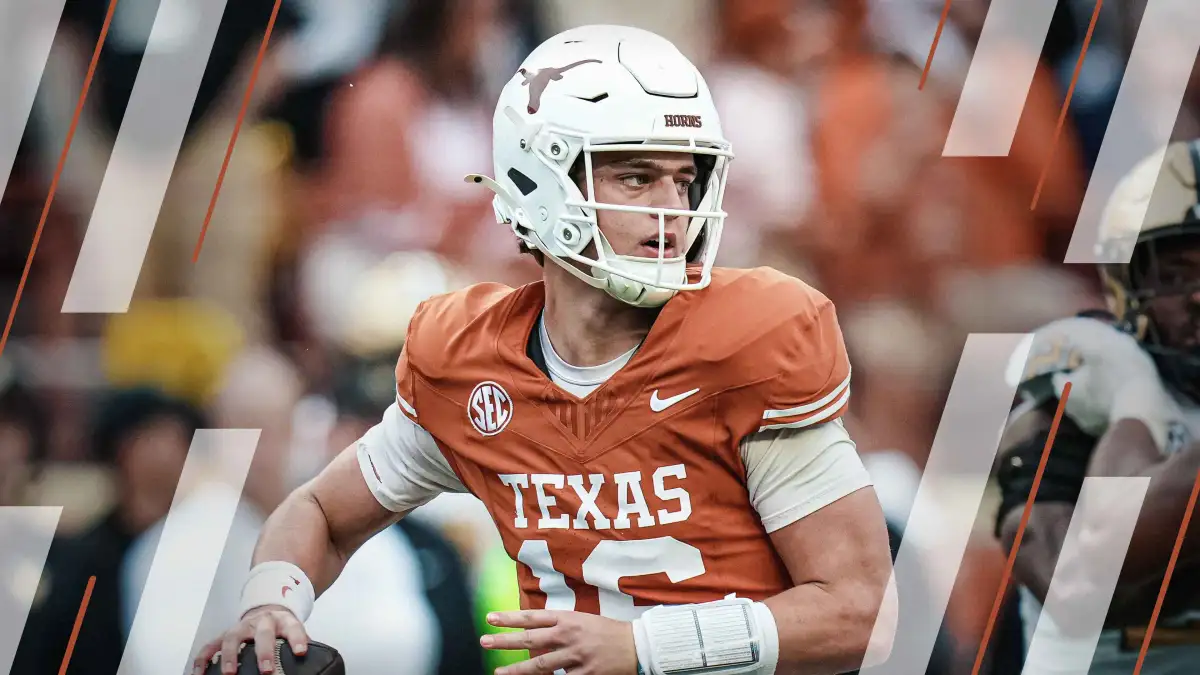
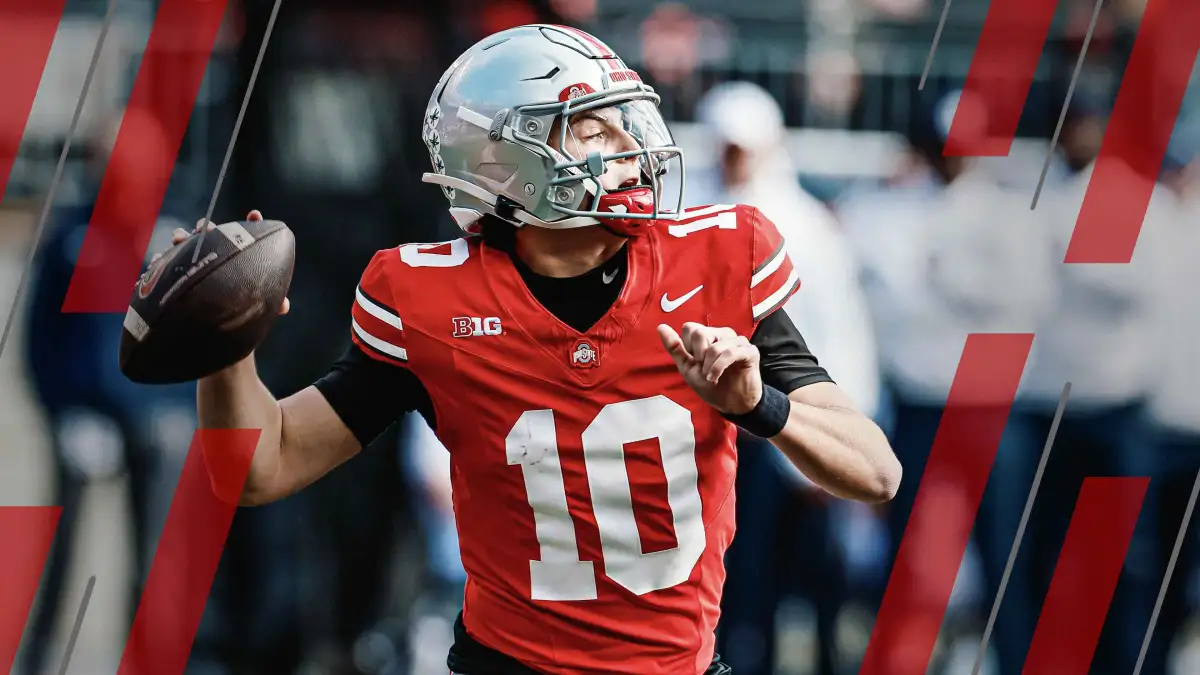
Professional talent evaluators have initiated the 2027 NFL draft cycle, with consensus currently anchoring on a quarterback-heavy class. Early mock projections frequently place Arch Manning at the top of board estimations, closely followed by peers such as Julian Sayin and Dante Moore. These Quarterback prospects represent the focal point of current organizational interest, despite the extended timeframe before actual selection.

The following observations summarize the early landscape of the 2027 class:
| Prospect Position | Identified Trends | Strategic Focus |
|---|---|---|
| Quarterbacks | Heavy volume of high-round projections | Developing pocket presence & arm strength |
| Edge Rushers | High physical profile variability | Pressure efficiency & pass-rush production |
| Offensive Line | Emphasis on size & positional flexibility | Blocking technique & interior/exterior mobility |
Analytical Perspective on Prospect Development
The Early Mock Draft landscape remains fluid, as scouts are balancing athletic potential against the reality of upcoming collegiate campaigns. While media outlets aggregate data to create a "way-too-early" consensus, internal team boards are significantly more volatile, relying on individual trajectory rather than established name recognition.

Physicality Metrics: Scouts are prioritizing "twitchy" movement profiles, particularly for linemen who maintain high mobility at weights exceeding 300 pounds.
Performance Inconsistency: Multiple highly-rated players are currently identified by their ability to "scratch the surface," suggesting that NFL interest is driven by raw capacity rather than polished final products.
Market Drivers: The perceived value of specific prospects is heavily influenced by team-specific requirements—such as the Chargers' need for interior disruption or the Browns' interest in securing a stable long-term passer.
The Mechanism of Pre-Draft Projections
The current Draft Speculation functions as an industry echo chamber. By late April and early May, organizations have typically finished the immediate post-draft recovery phase and have transitioned their scouting focus to the following spring.
Read More: NBA Playoffs: Pistons vs. Cavaliers and Knicks vs. 76ers matchups start this week
These early lists rely on historical statistical production, such as pass-rush grades or reception yardage, to assign value. However, the reliance on these early projections is frequently corrected by the attrition of injuries and performance variance during the next collegiate season. Decisions on draft declaration are largely determined by the specific opportunities present in the "gauntlet" of next year's schedule, where the pressure to solidify professional stock becomes the primary incentive for elite collegiate athletes.