US military actions against Iran are costing considerably more than earlier figures suggested, with current estimates pushing towards $50 billion, a substantial increase from initial assessments hovering around $25 billion. This escalation in financial outlay comes as the conflict extends beyond immediate defense expenditures, encompassing broader economic impacts.
The Defense Department stands as the primary recipient of these increased costs. However, other government bodies, such as the Department of Homeland Security, are also reportedly shouldering heavier financial burdens due to the ongoing hostilities. Concerns are also surfacing regarding the war's effect on consumers, with questions raised about how much higher prices might translate to the pockets of ordinary Americans.
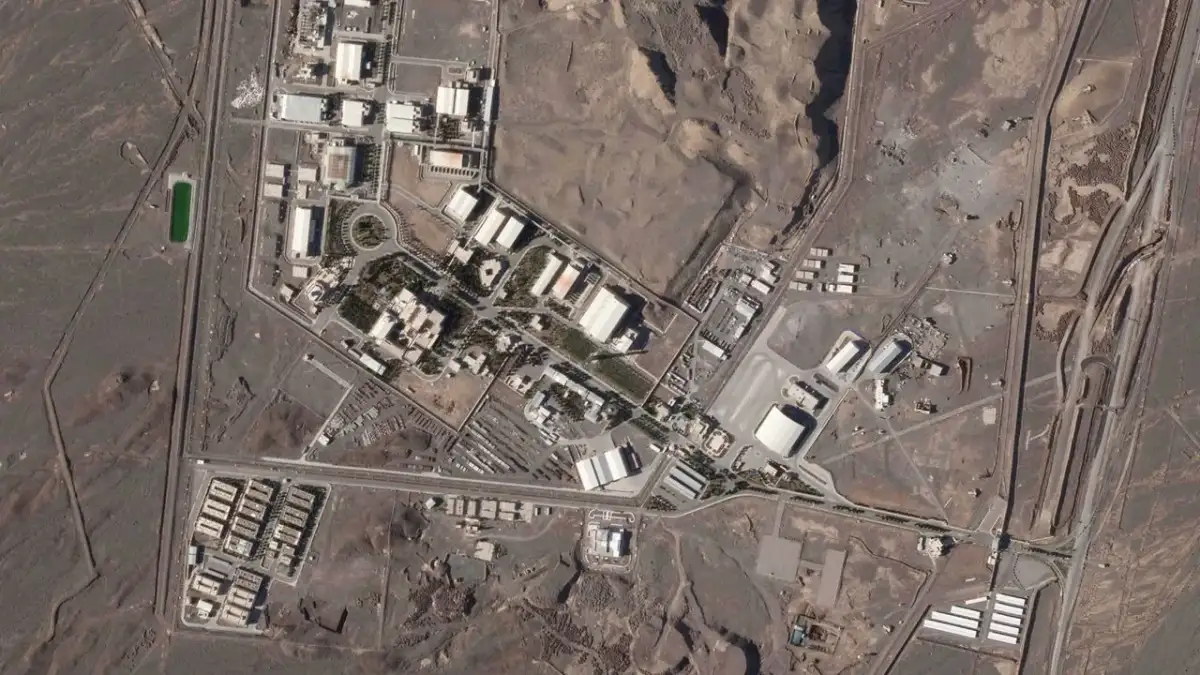
This situation unfolds against a backdrop of protracted military engagement. Open military hostilities between the US and Iran commenced with joint US-Israeli air strikes targeting Iran. Since then, the US military reports striking over 1,250 targets within Iran. Early in the conflict, specific operations involved the expenditure of over 2,000 munitions within a matter of days.
Read More: Iran Zagros Mountain Nuclear Site Construction Update April 2026
The financial implications of this confrontation are already eclipsing expenditures seen in past conflicts. Current estimates indicate that the cost to US taxpayers has surpassed the direct out-of-pocket expenses incurred during Desert Storm, though the overall price tag for that earlier war remains higher.
The economic ramifications extend beyond direct war spending, creating a global drag through oil price shocks. This situation presents a complex challenge to the established international strategic order. The protracted nature of the conflict also appears to be casting a shadow over political forecasts, with implications noted for upcoming electoral cycles.