Washington — A fragile ceasefire between the United States and Iran appears to be holding, despite recent exchanges of fire and diplomatic maneuvering. The White House announced a pause in a military effort to escort commercial vessels through the crucial Strait of Hormuz, signaling an attempt to solidify a broader agreement aimed at ending the ongoing conflict. This move comes as Secretary of State Marco Rubio urged China to apply pressure on Iranian officials to de-escalate tensions in the vital waterway.
The United States military reported that two American-flagged merchant ships successfully navigated the Strait of Hormuz on Monday without incident, marking the first day of an operation designed to ensure safe passage for commercial shipping. Simultaneously, U.S. forces engaged and sank six small Iranian boats that were reportedly targeting vessels in the area. Iran, however, disputed this account, claiming that two civilian cargo boats were struck, resulting in the deaths of five civilians.
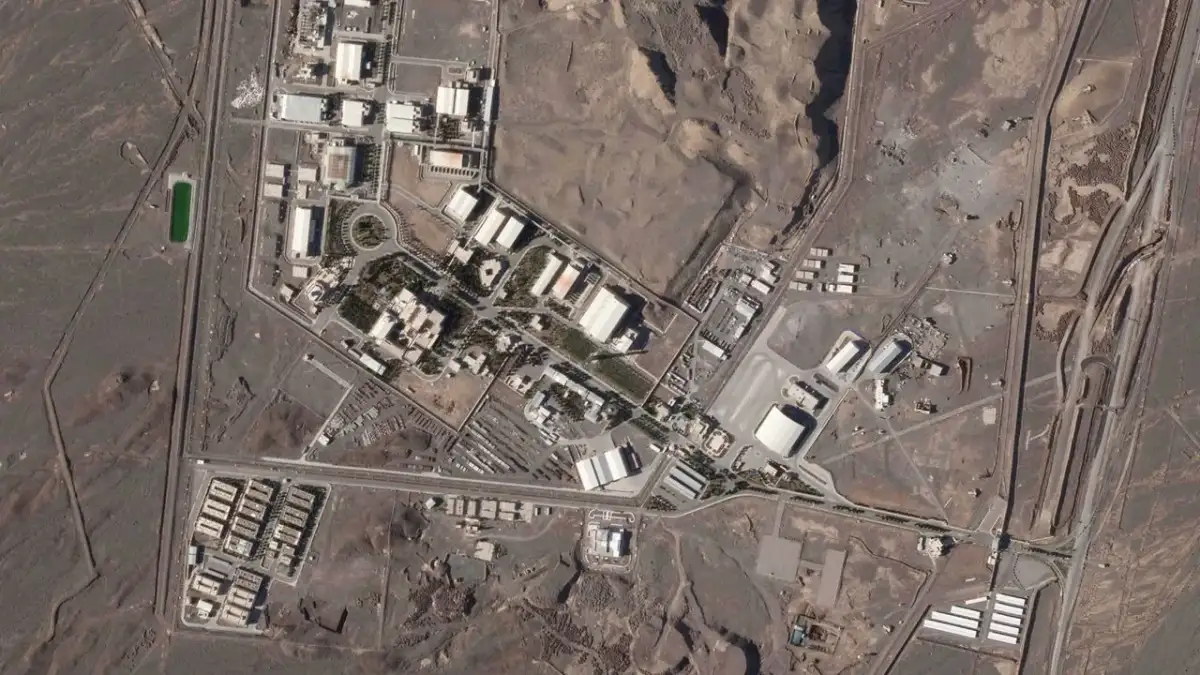
Read More: Iran Zagros Mountain Nuclear Site Construction Update April 2026
President Donald Trump stated on Tuesday that the decision to pause the vessel escort operation was a deliberate step to "finalize a deal with Iran to end the war." This pause, he indicated, is intended to facilitate negotiations and potentially avert further escalation. The U.S. leader is also expected to discuss the situation with Chinese leader Xi Jinping during an upcoming visit to Beijing, seeking international cooperation to stabilize the region.
The conflict's ceasefire, reportedly in effect since April 8, has been tested by recent events. The United Arab Emirates (UAE) reported missile and drone attacks from Iran on consecutive days, Monday and Tuesday, following an earlier barrage of 15 missiles on Monday that injured at least three workers. These attacks represent the first significant military actions by Iran since the ceasefire began.
Read More: Gulf Oil Exports Rise in June but Still Below Pre-War Levels
The strategic Strait of Hormuz, a chokepoint through which a substantial portion of global oil transit historically flowed, has become a focal point of the escalating tensions. The U.S. military's operation to guide ships through the strait, though paused, underscored the delicate balance of power and the potential for renewed hostilities.
The origins of the current conflict trace back to February 28, when the U.S. and Israel initiated military action against Iran. In retaliation, Iran targeted the UAE. The broader regional instability also saw the escalation of the Israel-Hezbollah conflict, which began on March 2 after Hezbollah launched rockets into Israel, following retaliatory strikes by Iran-backed groups against Israel in response to the war with Iran.
Efforts toward a more lasting peace are underway, with Pakistan and Iran slated to begin talks for a comprehensive peace deal in Islamabad on Friday. However, no official document detailing the terms of the ceasefire agreement has been publicly released, with the understanding primarily stemming from President Trump's announcement via his Truth Social platform.
Read More: 40 Die in Quetta to Peshawar Bus Crash in Balochistan on April 3 2026