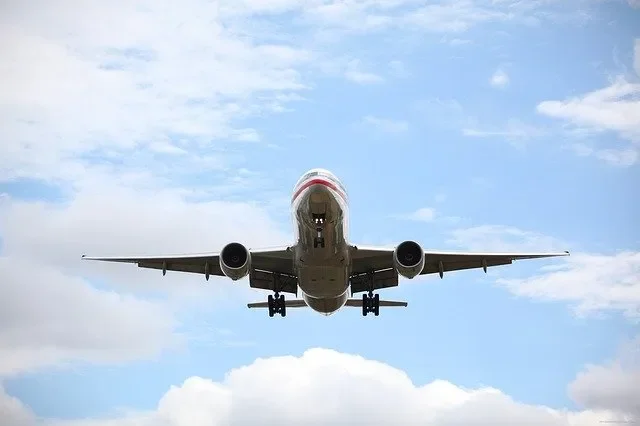
Airlines globally have collectively removed over 13,000 flights from their May schedules, alongside two million seats, as the cost of jet fuel escalates dramatically. This sharp reduction in capacity stems directly from the significant jump in jet fuel prices, which have reportedly more than doubled since late February.
The surge in fuel expenses is attributed to disruptions affecting oil flows through the Strait of Hormuz, a vital conduit for approximately one-fifth of global oil supply.
Several major carriers have already implemented these cuts. Notably, Lufthansa plans to remove 20,000 flights between now and the end of October. Other airlines enacting schedule adjustments include Air France, KLM, Air Canada, Delta, SAS, Turkish Airlines, British Airways, and Air China, which is axing nearly 500,000 flights, including domestic services.
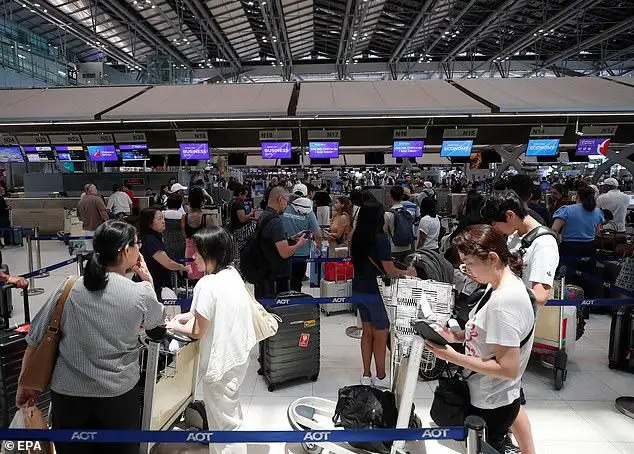
Airlines are reportedly balancing these cost-control measures against the need to maintain services during the peak summer travel season. The cancellations are understood to be concentrated on routes with multiple daily services, allowing for passengers to be rebooked onto alternative flights. However, this does raise the possibility of disruption for travellers during the late-May half-term period in the UK and parts of Europe.
Read More: Fresno Airport $85 Million Funding Boost Improves Travel in April 2026
Beyond outright cancellations, airlines are also employing other tactics to manage fuel consumption. This includes utilizing smaller aircraft on certain routes and, on less profitable routes, trimming schedules while maintaining services on high-demand corridors. Fares on popular routes have also seen increases.
The trade body for British airlines stated they are operating normally and not experiencing supply issues, but acknowledged the government's contingency plans. These plans, welcomed by the industry, include a temporary rule change allowing airlines to consolidate passengers from different flights onto fewer aircraft, thereby saving fuel. This measure, alongside a government request for UK refineries to maximize jet fuel production, aims to mitigate disruption for holidaymakers.
Concerns have been raised, particularly regarding the UK, which analysts at Goldman Sachs identify as particularly vulnerable to jet fuel shortages. This vulnerability is linked to the UK's status as a significant net importer of jet fuel, coupled with low inventory levels and reduced domestic refining capacity. Despite these pressures, airlines like EasyJet and Wizz Air have indicated their commitment to operating their full summer schedules, leveraging existing fuel hedging arrangements. The European Commission has also advised airlines and member states to prepare for various supply scenarios.
Read More: FIFA World Cup 2026 Revenue Reaches $15 Billion With New Ticket Prices