Federal judges are repeatedly blocking key Trump administration initiatives aimed at accelerating the removal of undocumented immigrants. These efforts, part of a broader strategy to increase deportations, face ongoing legal challenges that question their adherence to due process and statutory authority.

Judicial Setbacks Plague Deportation Push
Recent court decisions have temporarily halted the administration's attempts to expand 'expedited removal' processes, a mechanism allowing for swift deportation without a full court hearing. In at least one instance, a federal judge found that the Department of Homeland Security had exceeded its legal authority in attempting to broaden the scope of expedited removal for numerous immigrants.
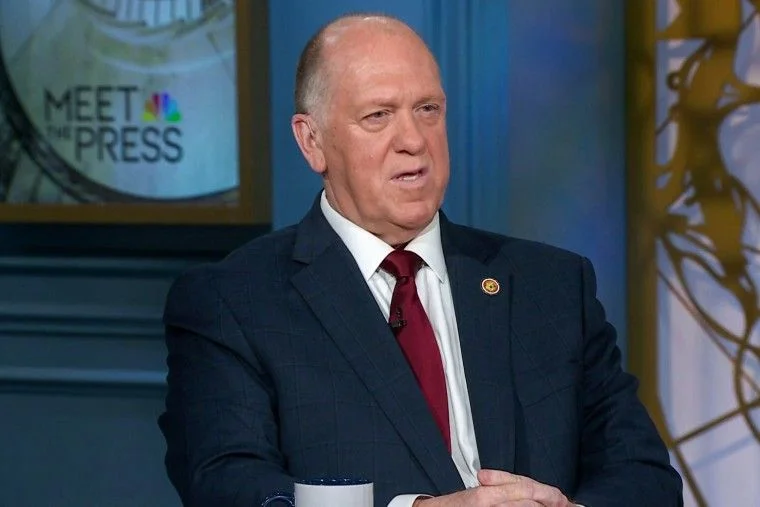
"The administration says the sweeping detentions are a key prong of Trump’s deportation strategy."
The administration's policies, designed to target millions for deportation, are encountering resistance not only from the judiciary but also from within the executive branch, where different factions advocate for varied enforcement approaches.
Read More: Taiwan Holds Nantou County Drills to Prepare for State Collapse
Internal Strife and Shifting Strategies
Reports indicate internal power struggles over the direction of immigration enforcement. One camp, including figures like former Customs and Border Protection Commissioner Tom Homan, favors a targeted approach focusing on individuals with criminal records. This contrasts with broader strategies that some officials and observers find overly aggressive.
"And earlier this month, Scott learned from news reports, not from administration officials, that Border Patrol agents had shot at two Venezuelan immigrants in a vehicle in Portland…"
The push for 'mass deportation' has seen internal dynamics shift, with some officials learning of operational decisions through public reporting rather than direct administration communication.
Legal Battles and Due Process Concerns
Immigration courts are central to these disputes. While the administration seeks to streamline deportations, judges have in some cases ruled that immigrants targeted for detention should be released, finding that they are likely to comply with court orders even without being detained. This suggests that even within the executive branch's purview, judges are assessing the necessity of detention.
Read More: New York Mets vs Atlanta Braves 7 April 2026 NL East game preview
Immigrants without legal status face an increased risk of detention and deportation.
Pending cases, including asylum and DACA applications, are subject to accelerated processing and limited relief under new measures.
Even amidst these new policies, individuals are reminded of their rights.
Background: A Continued Focus on Enforcement
The administration's intensified focus on deportations has been a consistent theme, with vows of a "softer touch" coexisting with plans for extensive removals.
Calls have been made for Congress to rewrite immigration laws to facilitate these efforts.
Debates continue regarding the most effective enforcement methods, with some advocating for a greater emphasis on worksite enforcement over broader sweeps.
Public opinion is divided, with support often expressed for removing individuals convicted of violent crimes, but less so for deportations solely based on immigration violations.