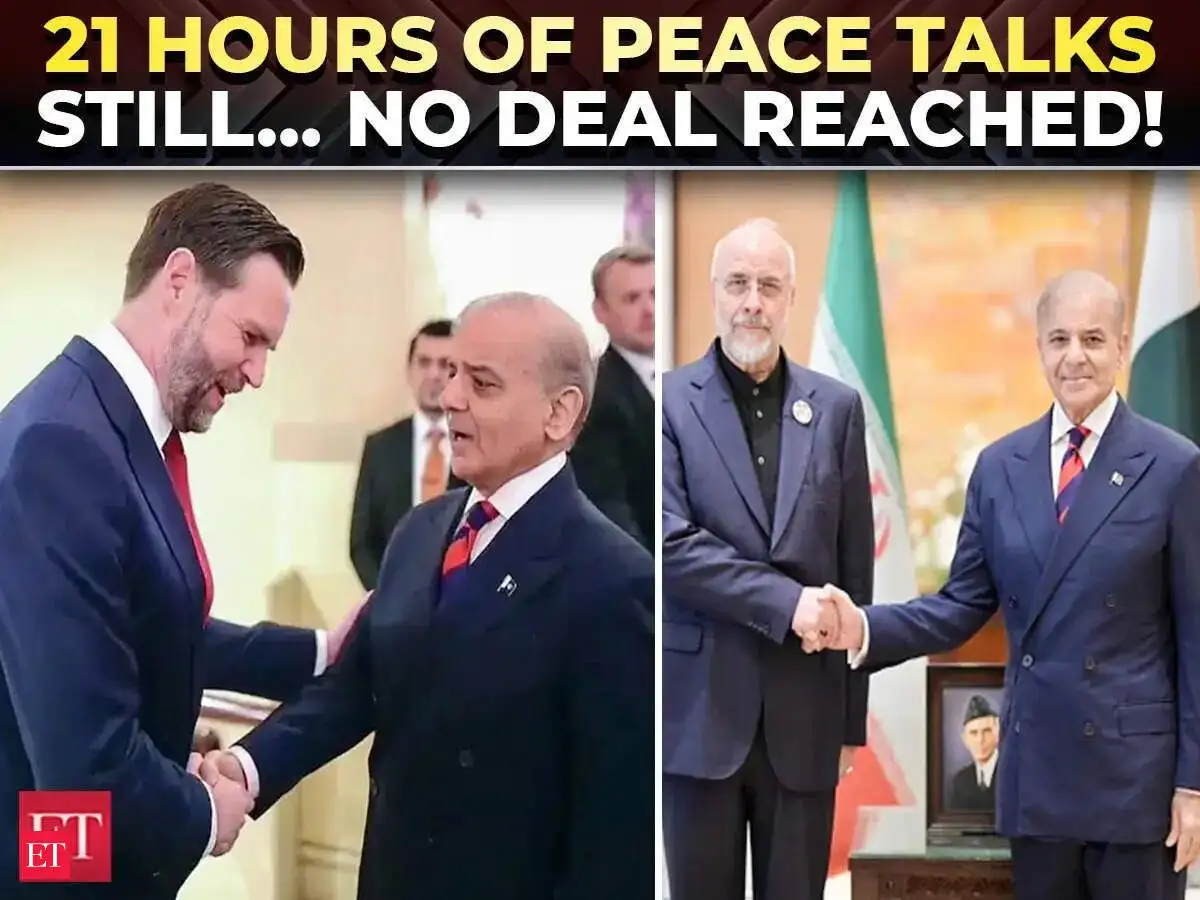
Marathon negotiations between the United States and Iran in Islamabad, Pakistan, have broken down without an agreement, leading to the imposition of a U.S. naval blockade around Iranian ports. The failure to bridge significant divides, particularly concerning Iran's nuclear program and the control of the Strait of Hormuz, has dashed hopes for a swift de-escalation of the ongoing conflict that began on February 28.
Vice President J.D. Vance stated on April 14, 2026, that the more than 21 hours of discussions proved insufficient to overcome the profound mistrust between the two nations, emphasizing that such deep-seated issues "cannot be solved overnight." Vance indicated that Iran refused to accept Washington's "terms" and "final and best offer," while Iranian officials countered that the U.S. demands were excessive and that a climate of mistrust hindered progress.
Read More: UK Minister Kanishka Narayan Looks at Australia's Online Safety Rules
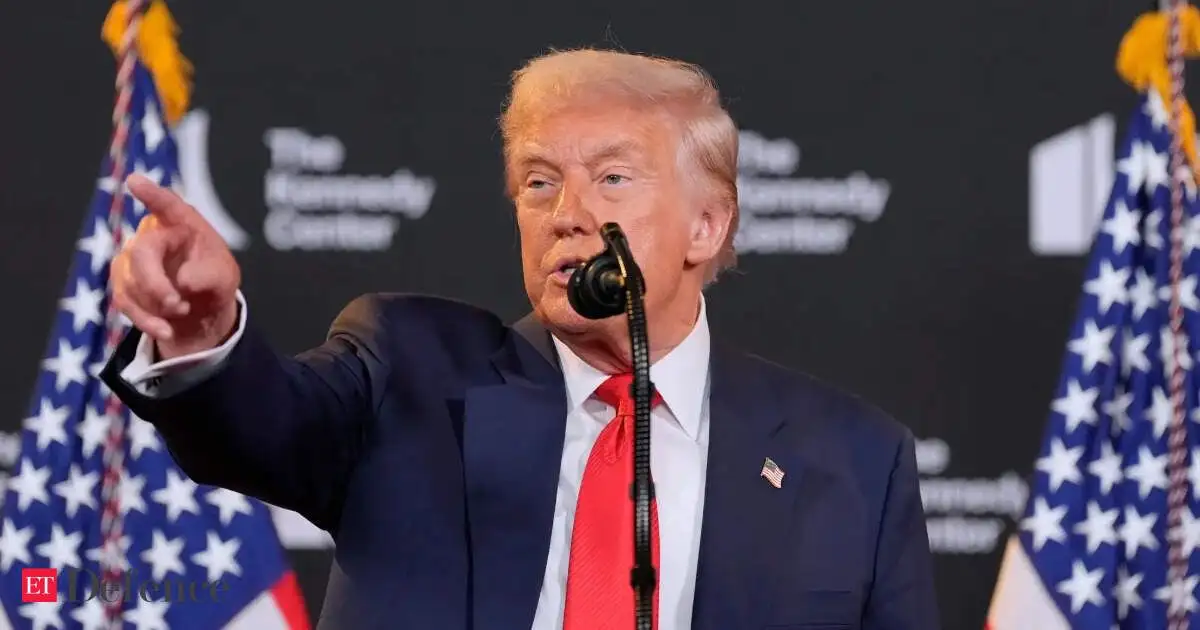
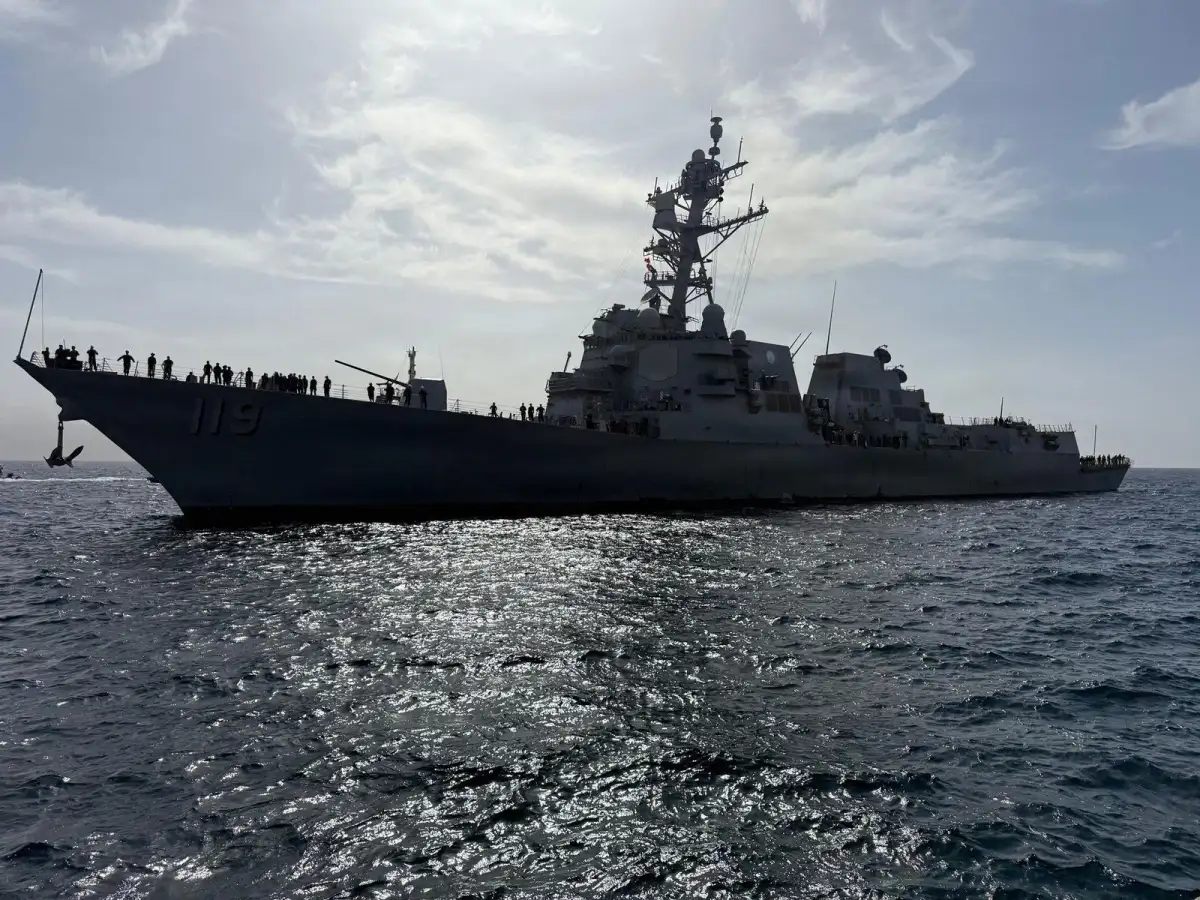
President Donald Trump ordered the U.S. Navy to blockade Iranian ports, including the critical Strait of Hormuz shipping lane, on April 13, 2026. This action was described as a response to Iran's "refusal to surrender its nuclear ambitions." The U.S. military confirmed the blockade's commencement, affecting all vessels entering or leaving Iranian harbors. Iran's Revolutionary Guards, however, asserted that they maintain "full control" of the Strait and would retaliate against any challenge.
Despite the U.S. blockade, reports indicate that at least two oil tankers attempted to pass through the Strait of Hormuz on April 14, 2026, with a U.S. destroyer reportedly instructing them to turn back. Iraq has stated it has "understandings" with both the U.S. and Iran to mitigate the impact of the blockade on its oil exports.
Read More: Trump May Approve Iran Ceasefire Deal as Hormuz Tensions Rise
Key Sticking Points and Diplomatic Fallout
The primary obstacles to a deal, according to Vance, revolved around Iran's nuclear program, with the U.S. reportedly seeking a 20-year freeze while Iran was willing to consider a five-year pause. Other significant disagreements included control of the Strait of Hormuz and the release of frozen Iranian assets.
Iranian negotiators expressed a desire to strike a deal, but cited the need for Washington to build trust. The talks were held under the shadow of a fragile, two-week ceasefire that still had a week remaining.
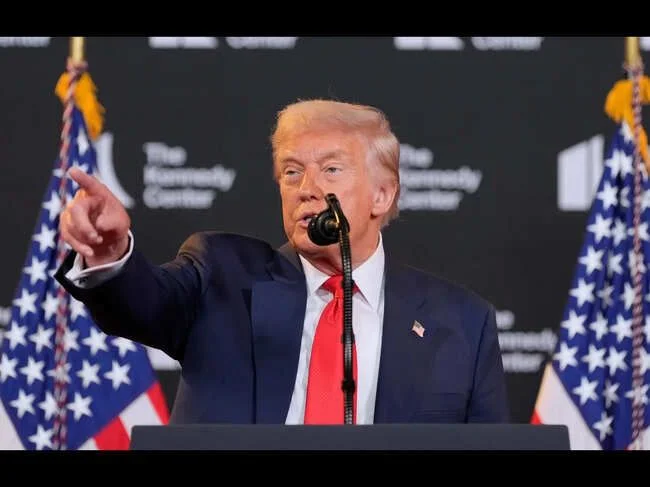
President Trump suggested on April 14, 2026, that further talks with Iran could resume within the next two days in Pakistan, although Vance's statements suggested a less optimistic immediate outlook.
Regional Developments and Broader Context
The conflict, which began with a joint U.S.-Israeli attack on Iran on February 28, has seen Iran respond with strikes on Israel and U.S. bases in Gulf states. In parallel, Israel and Lebanon have been engaged in talks, with intensified Israeli air attacks on Lebanon following Hezbollah missile fire. Reports also indicate ongoing discussions between Israel and Lebanon in Washington, described by Israel's ambassador as "historic" and working towards a "complete peace treaty."
Read More: Iran wants frozen cash before talking Trump nuclear deal
Vice President Vance was accompanied during the Islamabad talks by special envoy Steve Witkoff and President Trump's son-in-law, Jared Kushner. Pakistan's Prime Minister Shehbaz Sharif and Army Chief Field Marshal Asim Munir were acknowledged by Vance as "incredible hosts" who hoped the talks would serve as a "stepping stone toward durable peace."
Amidst the diplomatic tension, President Trump also drew attention for a social media post depicting him as Jesus, which generated criticism from religious leaders. Trump also reportedly criticized Italian Prime Minister Giorgia Meloni for her perceived lack of "courage" regarding the Iran war.
The situation highlights a complex web of geopolitical interests, with regional actors and international powers navigating a volatile environment marked by direct confrontation, strained diplomacy, and entrenched mistrust.