A UK minister recently visited Australia, observing the nation's approach to online safety regulations as Britain gears up for its own stricter social media legislation. The trip, undertaken by Kanishka Narayan, involved meetings with Australian government officials, students, and Julie Inman Grant, the head of Australia's eSafety commissioner. This exchange highlights a pattern of cross-pollination in digital policy between the two nations, even as the UK maintains an edge in AI security infrastructure.

Narayan's observations in Australia appear to be directly informing the UK's forthcoming digital regulations. While Australia's efforts have drawn debate over their effectiveness, the mere existence of such measures seems to be a significant factor for the UK. The UK is considering policies that could be even more stringent than those implemented down under, potentially affecting social media use for those under 16.
Read More: Chrome mimeHandler API lets extensions handle file types
A Broader Digital Dialogue
This isn't an isolated instance of trans-Tasman policy mirroring. Australia's social media restrictions are being watched globally, with the European Parliament also advocating for similar age limits. In the UK, Keir Starmer has publicly committed to acting on recommendations regarding a mandatory minimum age for social media. Reports indicate that British lawmakers are actively consulting on new rules to restrict young people's online activities, with discussions around a ban for under-16s gaining traction. Currently, the UK's digital age of consent stands at 13.

Beyond the Digital Sphere: Deepening Bilateral Ties
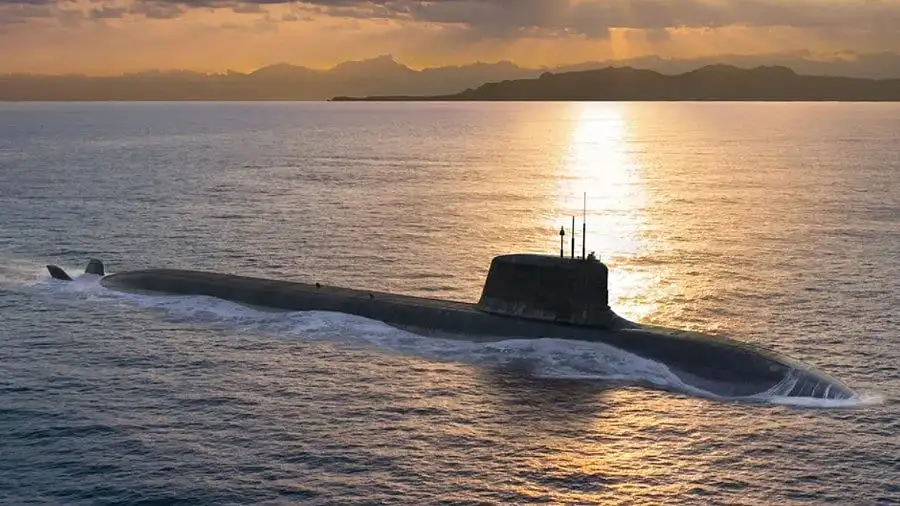
The social media discussions occur against a backdrop of increasingly robust diplomatic and defence cooperation between the UK and Australia. Ministerial consultations, known as AUKMIN, have been a key forum. In July 2025, senior ministers from both nations met to solidify their strategic relationship. Discussions have centered on advancing the 'AUKUS' pact, particularly the development of nuclear-powered submarines, an initiative that also involves the United States.
Read More: AFP Reviews War Crime Claims Against Australian in Gaza

These talks have also touched upon broader defence matters, including joint military exercises like the 'Talisman Sabre' series, which involves a significant international contingent and focuses on Indo-Pacific stability. Economic growth, resilience, and the importance of international institutions have also featured prominently in these high-level engagements. The deepening relationship, characterized by both sides as modernizing long-standing friendships, underscores a shared strategic outlook in a complex global environment.
A Pattern of Engagement
This recent visit by Kanishka Narayan follows a series of high-level interactions. In September 2025, Prime Minister Anthony Albanese met with UK Prime Minister Keir Starmer in London to discuss defence, security, climate, energy, and trade. Earlier in July 2025, UK Foreign Secretary David Lammy and Defence Secretary John Healey were in Darwin, Australia, coinciding with the arrival of the HMS Prince of Wales for military exercises, further demonstrating the interwoven nature of their strategic and defence dialogues.
Read More: BEREC Asks for Mobile Network API Ideas from Developers