Infrastructure Deficits Highlighted as "New Town" Plans Unfold
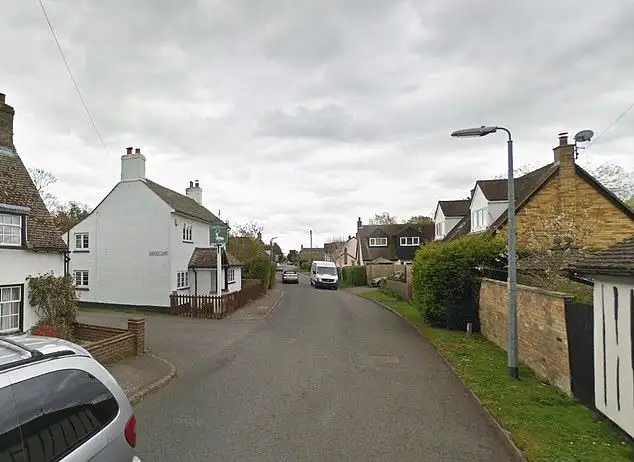
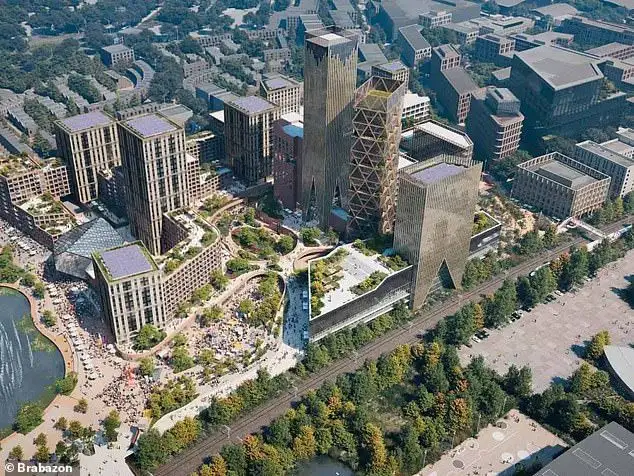
Residents of Tempsford, a village with a current population of approximately 600, are voicing deep apprehension over Labour's plans to designate the area as a "new town," potentially accommodating up to 40,000 new homes. The primary concern stems from a stark lack of existing basic amenities, with one resident highlighting the absence of even a simple shop. This critical deficit in infrastructure, including a lack of phone signal, gas, schools, and other essential services, fuels anxieties that the proposed development will overwhelm the community.
The proposed expansion in Bedfordshire is part of a broader initiative by Labour to create a generation of new towns, with up to 300,000 homes planned across twelve identified sites nationwide. The aim is to address housing shortages, with specific mention of a new East West Rail station intended to connect residents to major cities like Cambridge, Oxford, and London. However, this vision clashes with the on-the-ground reality for current inhabitants.
Read More: NYC Rent Freeze 0% for 1 Million Apartments Starting Oct 2026
Scale and Transparency of Development Questioned
Fears are mounting over the sheer scale of the proposed development in Tempsford. While figures ranging from 10,000 to 125,000 homes have circulated, the lack of definitive information has left residents in a state of uncertainty. Parish council chairman David Sutton has openly criticized the government for its perceived lack of communication, stating that residents have "no idea whatsoever of the scale of what we're being asked to live amongst." The potential for Tempsford to surpass Cambridge in size if these housebuilding plans proceed is a significant point of contention.
The strategy appears to involve a mix of entirely new settlements and the expansion of existing urban areas. While Labour spokespeople, such as Angela Rayner, have attempted to allay fears of indiscriminate countryside development by emphasizing a "brownfield first" policy, the designation of Tempsford as a "new town" site suggests a departure from solely urban regeneration. This has led to criticism that the plans might prioritize affluent housing rather than the urgent need for affordable homes for millions.
Historical Context and Future Prospects
The concept of "new towns" in the UK has a significant history, dating back to post-war initiatives under the Labour government of Clement Attlee. These earlier developments, such as Stevenage and Milton Keynes, were established with the aim of relocating populations and stimulating economic growth. Modern proposals, like Labour's, often leverage Development Corporations, which possess substantial statutory powers for comprehensive development and are expected to aim for financial self-sufficiency through land sales and development receipts.
However, the success of these ambitious projects hinges on more than just housing numbers. Critics point to the critical need for early investment in infrastructure, employment opportunities, and sustainable transport links to prevent these new settlements from becoming mere dormitory towns. The efficacy of Labour's vision in creating genuinely thriving communities, rather than simply adding to existing pressures, remains a subject of ongoing debate and scrutiny. The party has pledged that the construction of at least three new towns will commence before the next general election.
Read More: New student housing in South Brisbane to ease rental shortage