FLASH: A provisional two-week ceasefire has been agreed upon...
A provisional two-week ceasefire has been agreed upon between the United States and Iran, brokered by Pakistan. The deal, struck just ahead of a looming deadline for expanded US military action, entails Iran’s commitment to reopen the Strait of Hormuz, a critical global shipping lane. This accord marks the most substantial lull in hostilities since the conflict erupted six weeks ago.
JUST IN: The agreement hinges on a temporary halt to...

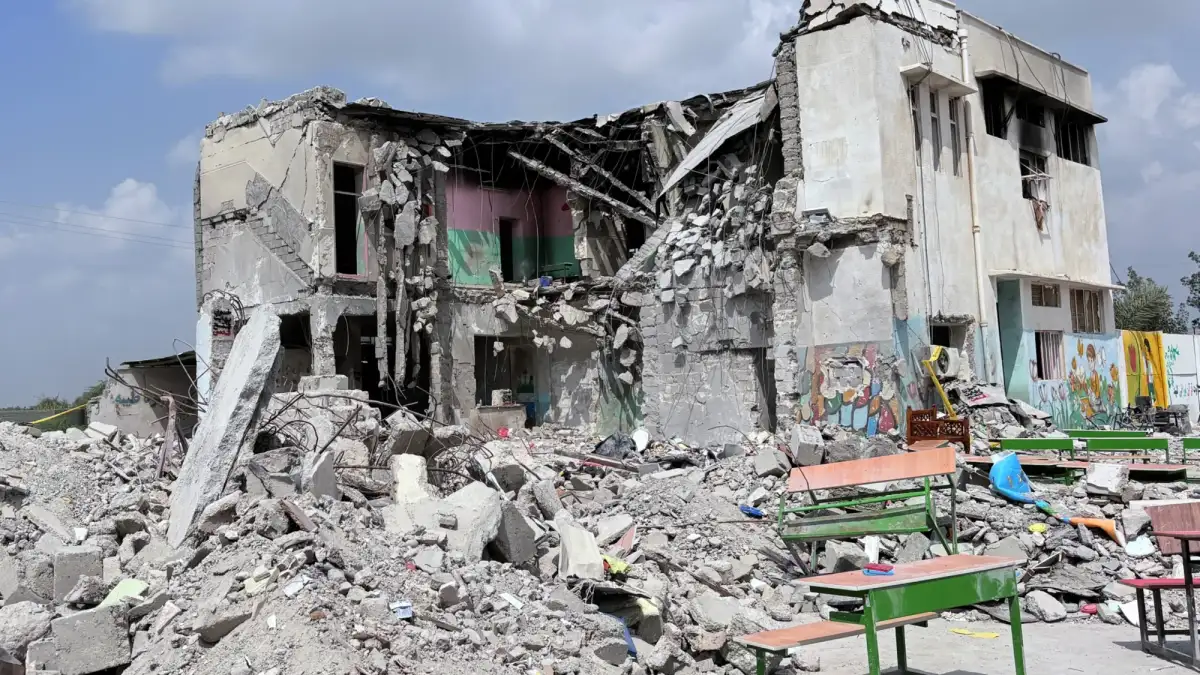
The agreement hinges on a temporary halt to American and Israeli strikes against Iranian targets in exchange for Iran ending its blockade of the vital waterway. This period is intended to facilitate negotiations for a more comprehensive and lasting resolution to the six-week war, which has already resulted in significant casualties and a global energy crisis.
FLASH: Diplomatic Overture and Lingering Tensions

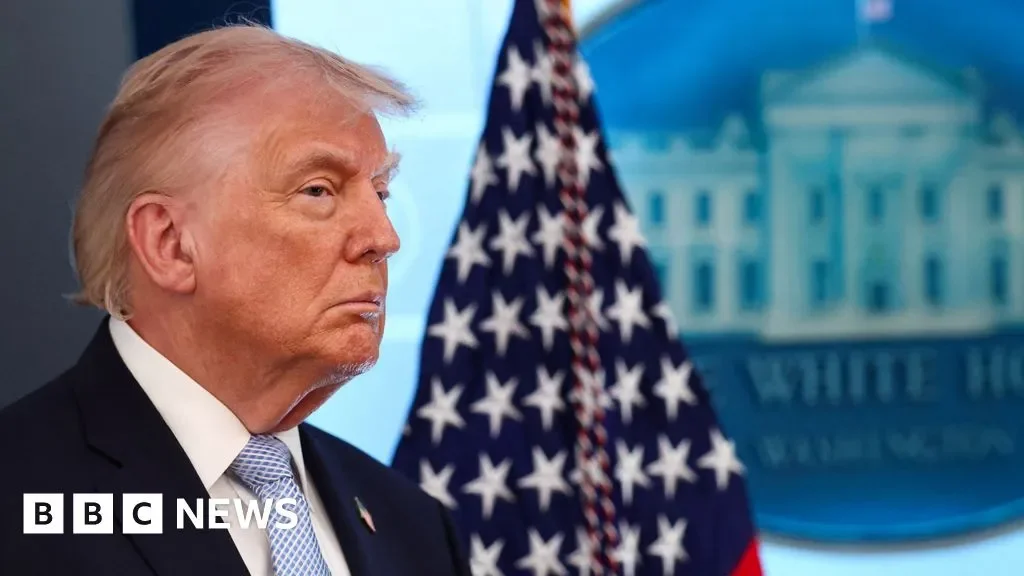
Pakistan has extended an invitation for delegations from both the US and Iran to convene for talks in Islamabad on Friday. The ceasefire announcement followed Pakistan's appeal to President Donald Trump to de-escalate his threats of widespread destruction against Iran, should its demands not be met. Trump himself has indicated that Iran presented a ten-point proposal, which he deemed a "workable basis" for further negotiation. He also suggested that most contentious issues may have found common ground, though the specifics remain undisclosed.
A Standoff Over Oil and Nuclear Ambitions

However, the fragile peace appears to be far from absolute. Reports indicate that attacks continued across the region in the hours following the ceasefire announcement. Iran reportedly resumed missile fire toward regional adversaries, including Israel, and strikes were also observed against Gulf Arab states. Israel has publicly stated its support for the US-brokered ceasefire but emphasized that the agreement does not encompass ongoing conflict with Hezbollah in Lebanon.

The Strait of Hormuz, a vital chokepoint for global oil and gas supplies, has been central to the conflict. Iran's control over this passage significantly impacted the global economy, intensifying pressure on the US administration to seek a resolution. In exchange for Iran's cooperation in reopening the strait, the ceasefire halts US strikes on Iranian infrastructure, including power plants.
LATEST: Background: Escalation and Averting Wider Conflict
A key objective for the US in this conflict has been Iran's nuclear program. Prior to this agreement, Trump had publicly demanded that Iran cease all uranium enrichment activities. The exact status of these nuclear talks remains unclear within the context of the current ceasefire. Iran's own proposal reportedly includes demands for the withdrawal of US forces from the region, the lifting of economic sanctions, war reparations, and continued Iranian control over the Strait of Hormuz.
The conflict, which began in late February, saw significant US and Israeli airstrikes targeting Iranian infrastructure, including Kharg Island, a major hub for Iranian oil exports. Iran responded with retaliatory strikes against Israel and several US-allied nations in the Gulf. President Trump had previously threatened a massive bombing campaign against Iran within hours if his demands were not met. This ceasefire represents an eleventh-hour de-escalation, averting what was described as an imminent threat of widespread devastation. There are suggestions that China may have played a role in bringing Iran to the negotiating table.