Australian Prime Minister Anthony Albanese has recently commented on several significant global and domestic matters, including the public scrutiny of Prince Andrew, Pauline Hanson's remarks on Muslim communities, and Australia's stance on Palestinian statehood. These statements have drawn responses from various political figures, most notably Senator Pauline Hanson, who has strongly criticized the Prime Minister's actions and leadership.
Prince Andrew's Public Scrutiny and Republic Debate
Prime Minister Albanese has described Prince Andrew's current situation as an "extraordinary fall," acknowledging the public's attention on the former prince's association with Jeffrey Epstein. However, Albanese indicated that this will not lead to a renewed push for a referendum on Australia becoming a republic. He stated that while he supports a republic, the government has no plans to hold another referendum on the matter at this time. Albanese also noted he was unaware of any Australian investigations related to the Epstein revelations and indicated a wait-and-see approach.
Read More: Donald Trump Orders Release of UFO Files After Obama Comments
Albanese Condemns Pauline Hanson's Anti-Muslim Comments
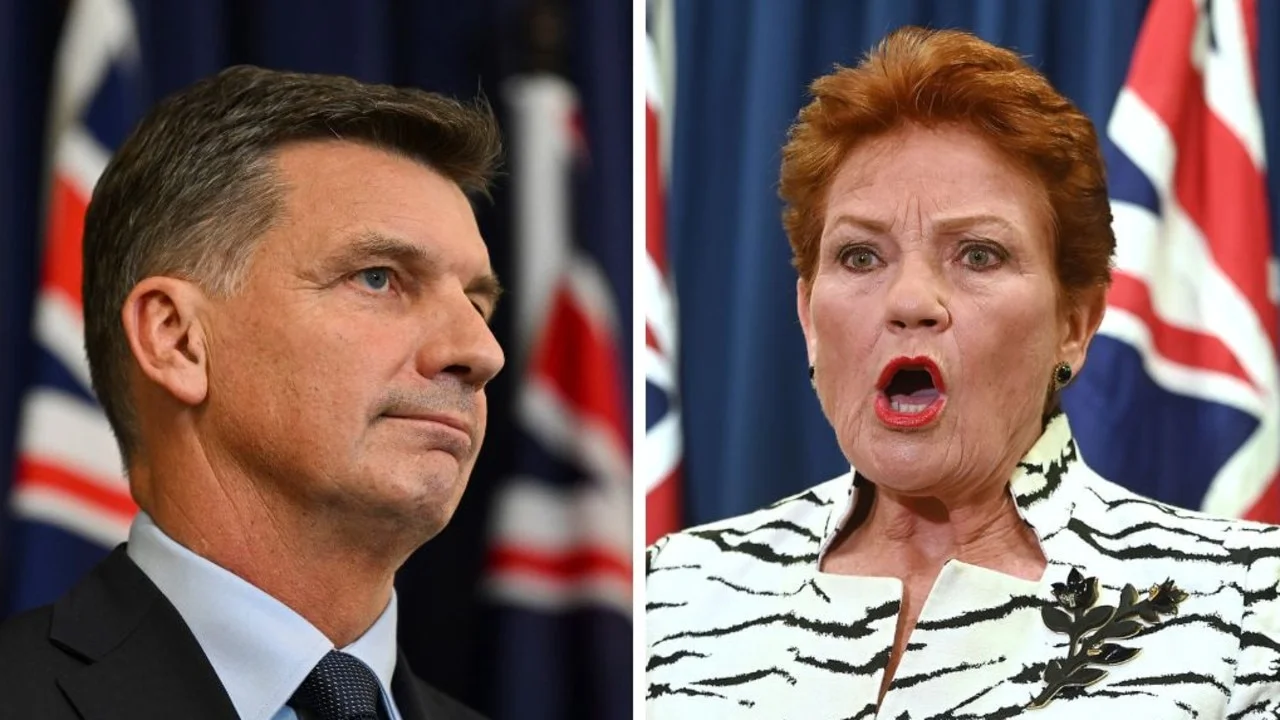
Prime Minister Albanese has publicly denounced Senator Pauline Hanson's recent comments targeting Muslim communities. He directly linked her remarks to an increase in threats and violence against minority groups. Hanson had specifically singled out the suburb of Lakemba in Sydney, stating she did not feel safe there. An Islamophobia envoy, Aftab Malik, commented that Hanson's statements reflected more on her than the Muslim community and reiterated an offer to meet with her. Albanese contrasted Hanson's rhetoric with a lack of focus on issues like the cost of living, noting her votes against cost-of-living measures.
Senator Hanson's Criticism of Palestinian Statehood Recognition
Senator Pauline Hanson has voiced strong opposition to Prime Minister Albanese's decision for Australia to recognize Palestinian statehood. She accused the Prime Minister of "betraying Australian values" and claimed his action had made the world "more dangerous." Hanson suggested that Albanese had "rewarded violence" and handed a "propaganda victory to terrorists," citing comments from a Hamas co-founder, Sheikh Hassan Youssef, who praised Albanese's decision. Albanese, prior to this, had stated that Hamas would "totally oppose" such a move. Hanson expressed "absolute disgust" at the decision, which aligns Australia with countries like France, Canada, and the UK.
Read More: South Australia Algal Bloom: Federal Report Says Governments Were Unprepared in Early 2025
Accusations of Weak Leadership and Global Stance
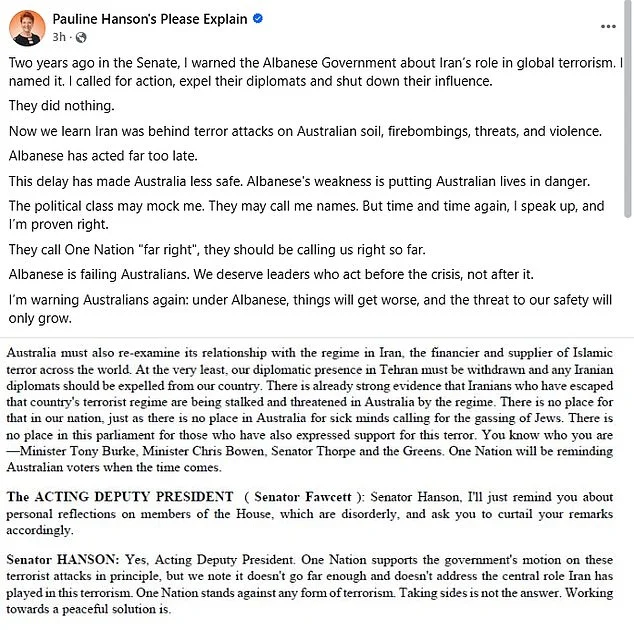
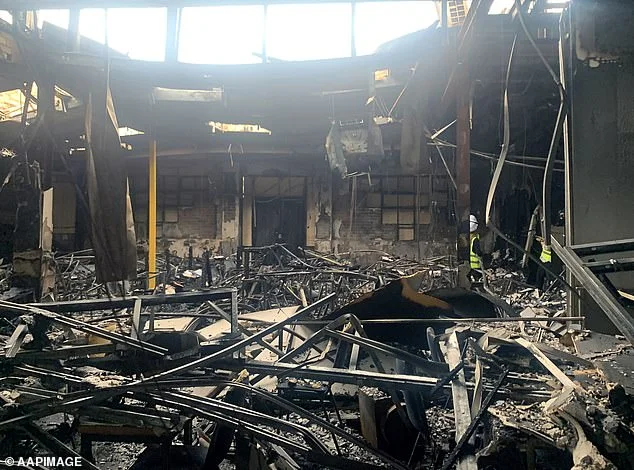
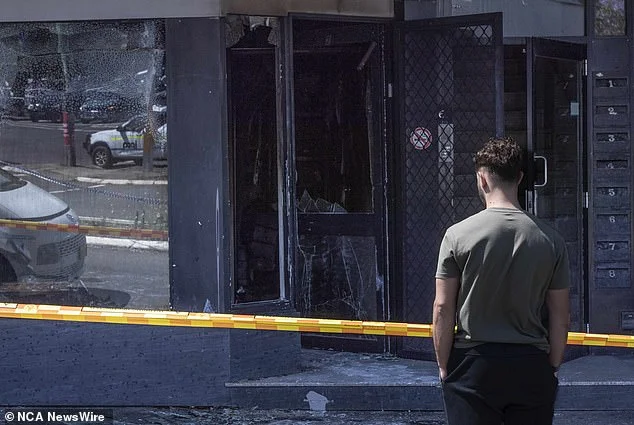
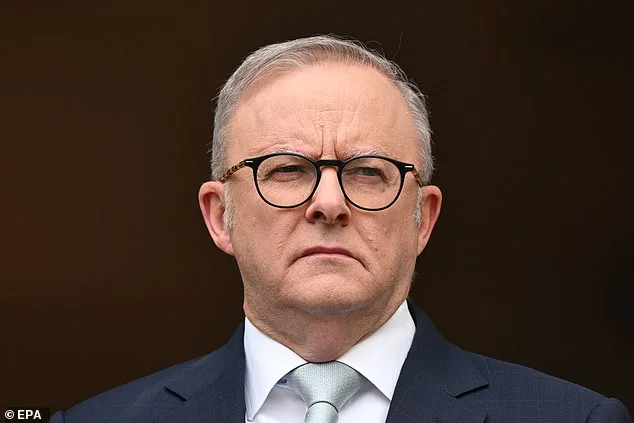
Senator Hanson has also accused Prime Minister Albanese of "weak leadership" on the global stage. She alleged that he avoided Donald Trump at the G7 and delayed support for US strikes on Iran. Hanson characterized the Prime Minister as "pathetic" and stated that Australia had become "globally insignificant" under his leadership. She also mentioned a past warning she issued to the government regarding Iran's role in global terrorism, suggesting Albanese's actions were not swift enough. She asserted that Albanese's perceived weakness was putting Australian lives at risk.
Read More: Kerala Government and BJP Disagree Over Release of The Kerala Story 2 Movie on February 27 2026
Expert Analysis
"The interplay between domestic political figures commenting on international events, especially those with security or human rights implications, often reflects deeper national debates about identity, foreign policy, and societal values. The strong reactions from Senator Hanson highlight a divergence in how certain political factions perceive Australia's role in the world and its approach to sensitive geopolitical issues." - Political commentator, [Name Redacted for Confidentiality]
"When political leaders link rhetoric to violence, it underscores the responsibility that comes with public discourse. The challenge lies in balancing freedom of speech with the need to prevent incitement and protect vulnerable communities. This dynamic is evident in the exchange between Prime Minister Albanese and Senator Hanson regarding her comments on Muslim communities." - Sociologist, [Name Redacted for Confidentiality]
Conclusion
Prime Minister Albanese's recent public statements have placed him at the center of discussions on international relations, human rights, and domestic political debate. His comments on Prince Andrew reflect a measured approach to high-profile individuals facing scrutiny, while also signaling a continued stance on the republic debate. His strong condemnation of Senator Pauline Hanson's anti-Muslim remarks and his government's decision to recognize Palestinian statehood have ignited sharp criticism from Hanson, who accuses him of weak leadership and endorsing violence. These exchanges highlight significant political divisions within Australia concerning foreign policy, national values, and the tone of public discourse.
Sources Used:
The Guardian: https://www.theguardian.com/australia-news/2026/feb/20/pm-anthony-albanese-australia-republic-comments-former-prince-andrew-arrest-ntwnfb
The Sydney Morning Herald: https://www.smh.com.au/politics/federal/albanese-slams-hanson-for-anti-muslim-comments-links-remarks-to-violence-20260219-p5o3l1.html
Daily Mail: https://www.dailymail.co.uk/news/article-14998605/Pauline-Hanson-Anthony-Albanese-Hamas-Palestine.html
4BC: https://www.4bc.com.au/podcast/absolutely-disgusted-pauline-hanson-slams-albanese-for-palestinian-statehood-call/
One Nation: https://www.onenation.org.au/hanson-albanese-liberals-quotas
Daily Mail: https://www.dailymail.co.uk/news/article-15037927/Pauline-Hanson-Anthony-Albanese-Iran.html