Washington has granted India a temporary 30-day waiver allowing it to accept Russian oil shipments already at sea, a move framed as a measure to stabilize global energy supplies amid escalating conflict in the West Asia. The US administration, through officials like Treasury Secretary Scott Bessent and Press Secretary Karoline Leavitt, characterized India as a "good actor" for its past compliance with sanctions, asserting that this temporary allowance would not significantly benefit Russia financially and was intended to prevent price spikes.
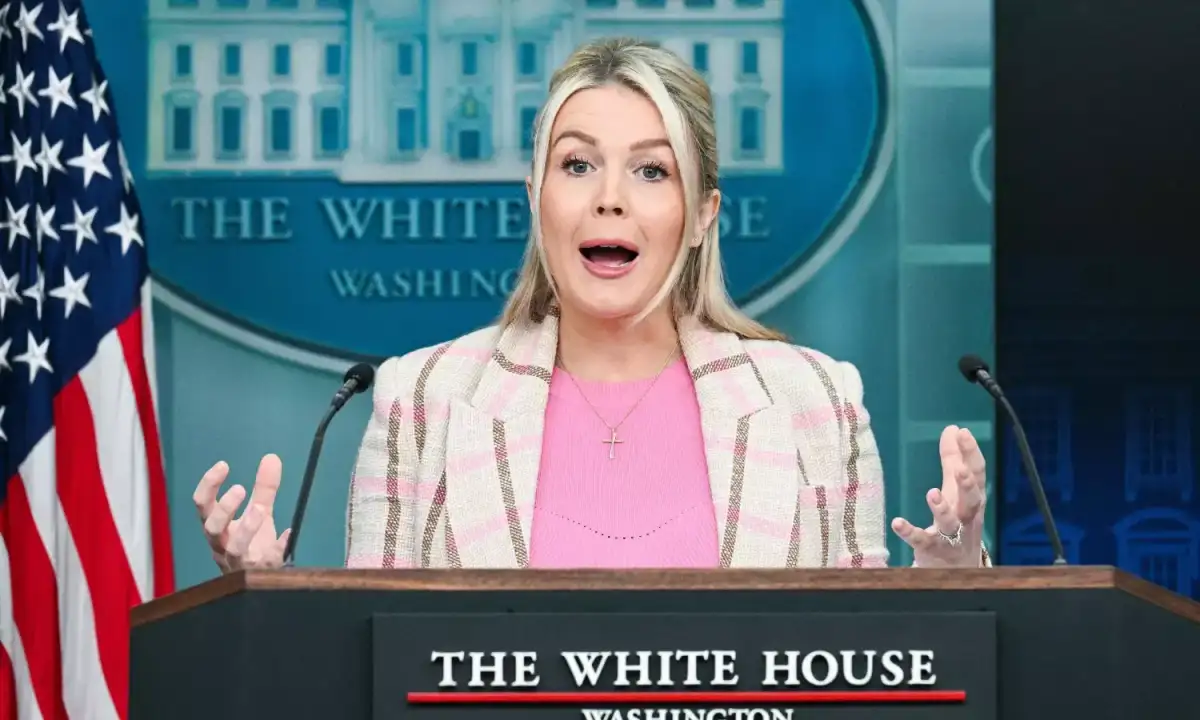
The core of the decision hinges on the fact that the sanctioned Russian oil was "already at sea" before the waiver was issued, with the US stating it had "reached out to our friends in India and said, 'Buy that oil.'" This action is presented as a tactical response to potential disruptions in global oil markets, particularly in the wake of missile strikes impacting production in Gulf countries.
Read More: Australia-US Trade Dispute: New Tariffs Cause Friction
Waiver's Context and Underlying Dynamics
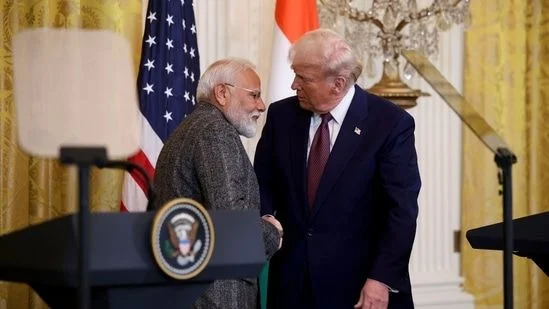
The temporary waiver permits Indian refiners to purchase Russian oil cargoes that were loaded onto ships before March 5. This comes after India had previously curtailed its purchases of Russian oil under pressure from Washington. Officials suggest that once this 30-day window closes, India is expected to increase its intake of oil from the United States and other sources, indicating a broader strategy of recalibrating energy dependencies.
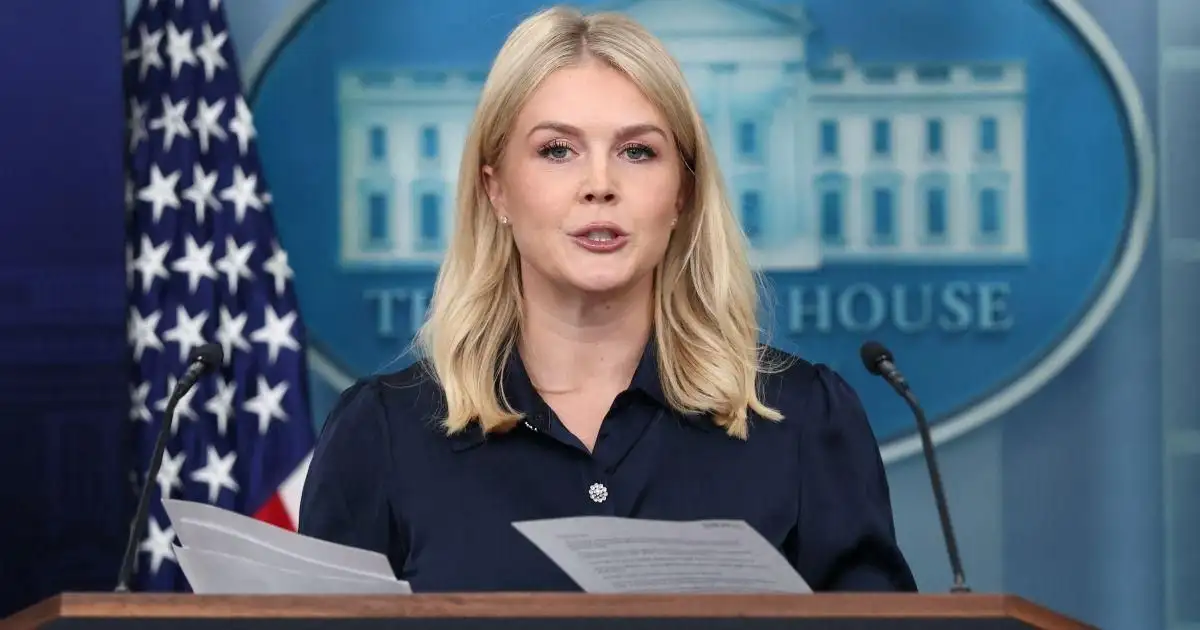
"And this Russian oil was already at sea… We have reached out to our friends in India and said, 'Buy that oil.'" - White House statement
The US stance has been that India has "displaced" all Russian oil imports and is increasing its imports from alternative sources like the US and Venezuela. This narrative suggests a deliberate effort to manage global supply lines and prevent price volatility without compromising the broader objective of isolating Russia.
Historical Tensions and Trade Realities
This development occurs against a backdrop of past US tariffs on India for purchasing Russian oil, with the Trump administration having previously imposed significant duties. The White House notes that while tariffs were in place, India's commitment to reducing and halting Russian oil purchases was a factor. A recent US-India trade deal saw a reduction in tariffs on New Delhi, moving from an initial 25 percent under Trump's previous actions to 18 percent. The administration has explicitly stated that this waiver does not undermine the goal of isolating Russia, emphasizing that it's a short-term measure to address immediate supply concerns.
Read More: Solaris Energy SEI Stock Price Forecast Reaches $91.98 by July 2027
The waiver is presented as distinct from allowing new purchases that would directly fuel Russia's war machine, aligning with previous assertions that India's actions have not provided significant financial benefits to the Russian government.
Broader Geopolitical Climate
The decision to grant the waiver is contextualized by the escalating West Asia conflict and its impact on global energy markets. Concerns over rising fuel prices and the potential for supply chain interruptions appear to be driving these pragmatic adjustments in US policy towards its allies. The administration emphasizes that this is a temporary measure to manage a "temporary gap in global oil supplies," with expectations that India will revert to its previous sourcing patterns after the waiver period.