Current federal budgetary constraints are creating an operational fragility within the National Oceanic and Atmospheric Administration (NOAA). As of today, May 19, 2026, the technical infrastructure responsible for hurricane tracking—a complex synthesis of satellite imagery, aerial reconnaissance, and supercomputing—faces potential degradation due to restricted funding.

Data continuity and the integration of research with operational deployment are identified as the primary points of failure should current financial trends continue.
Operational Interdependence
The efficacy of modern storm forecasting is not derived from a single technology, but from a "system-of-systems" approach. This interconnected architecture relies on:
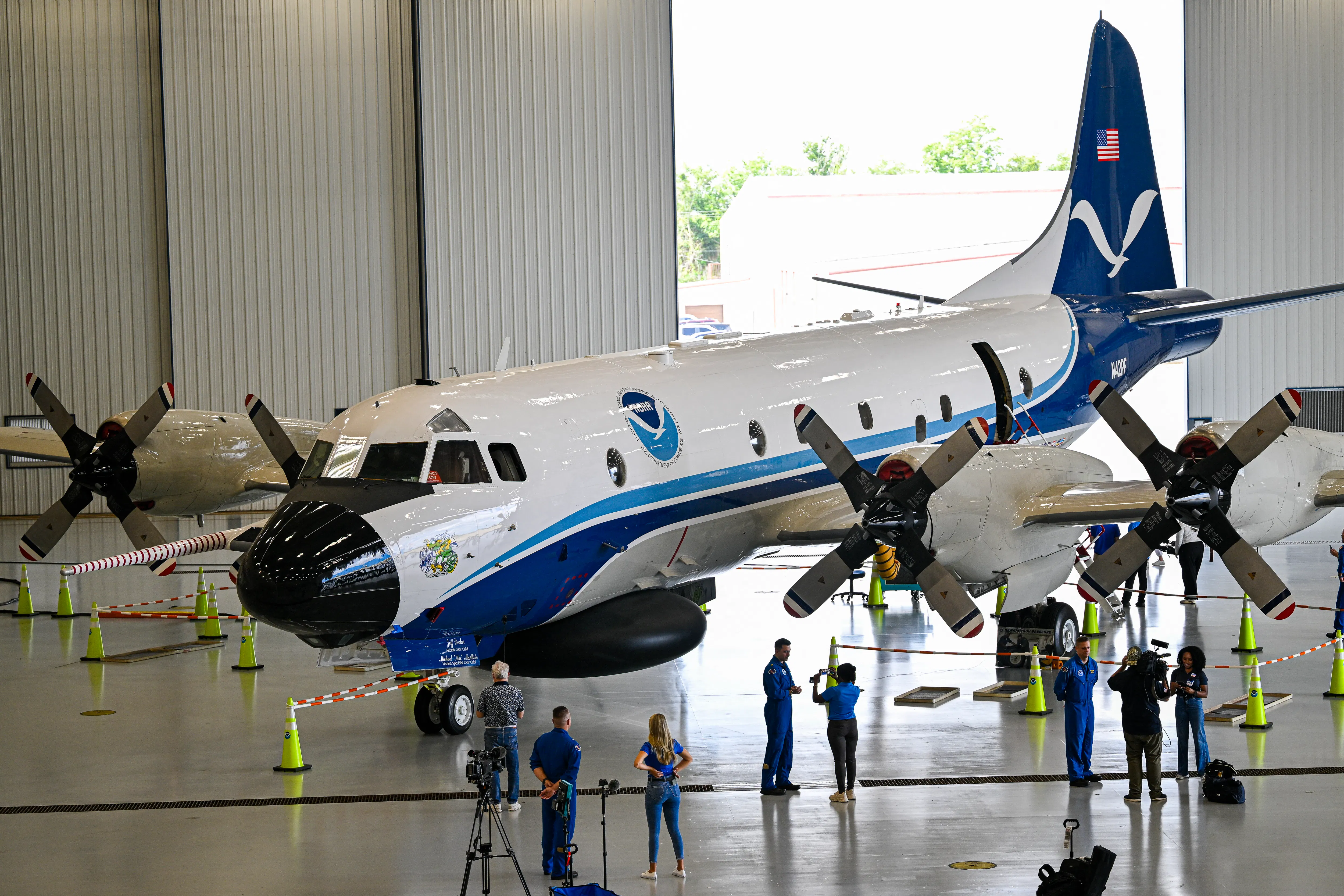
Aerial Reconnaissance: The U.S. Air Force Reserve and NOAA "Hurricane Hunter" flights provide essential in-situ data.
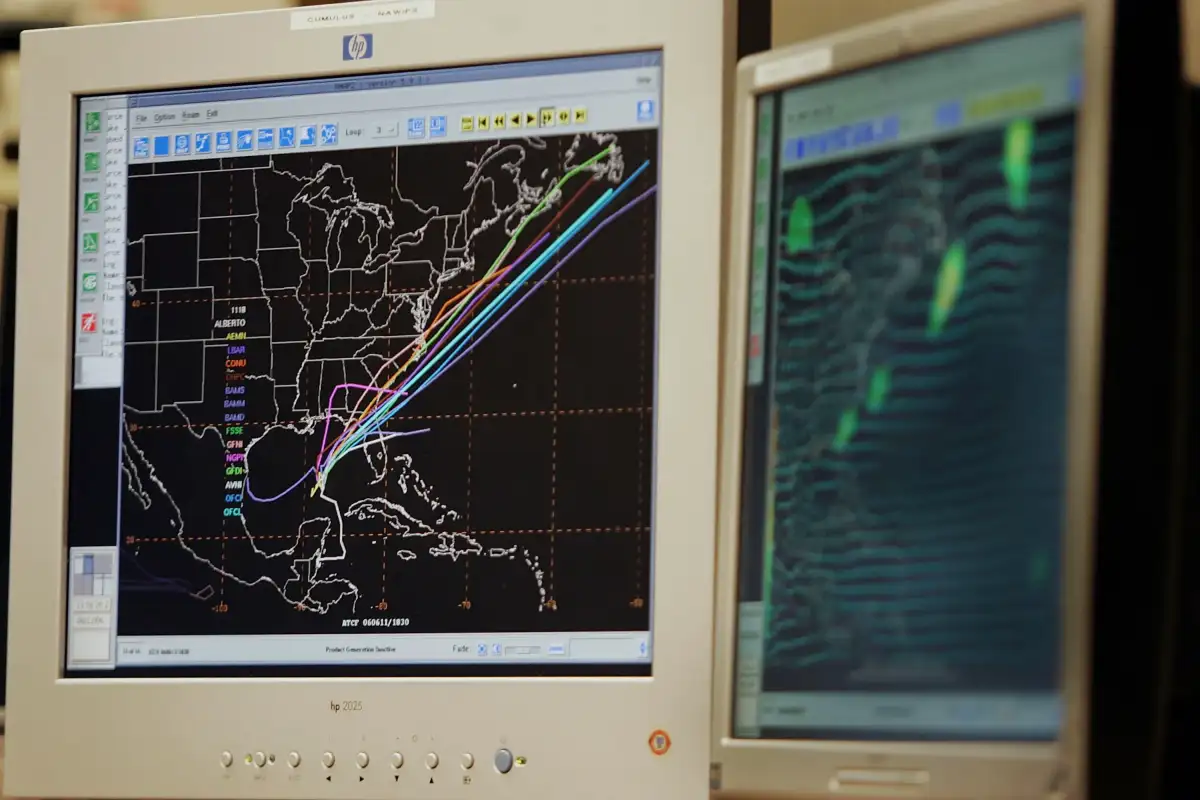
Computational Modeling: High-performance computing enables nested atmospheric simulations, which have markedly improved track and intensity accuracy between 2007 and 2020.
Observation Arrays: Global satellite coverage and the National Data Buoy Center provide the granular input necessary for predictive algorithms.
| System Component | Role in Forecasting | Risk Factor under Budget Cuts |
|---|---|---|
| Supercomputers | Model Simulation | Latency in processing |
| Hurricane Hunters | Storm-scale data collection | Reduced flight frequency |
| Satellites | Large-scale weather tracking | Loss of longitudinal data |
Economic and Human Stakes
Research from the National Bureau of Economic Research (NBER) indicates that advancements in forecasting accuracy have direct correlations with lower post-landfall damages and more efficient allocation of pre-landfall protective spending. Historical data suggests that accurate forecasting significantly reduces loss of life, particularly in the most intense weather events that account for the vast majority of storm-related fatalities.
Read More: Mumbai Red Alert July 2026 Causes School Closures and Train Delays
"Break one link, and our whole forecast system weakens." — Jeff Watters, Ocean Conservancy.
Contextual Background: The Evolution of Storm Science
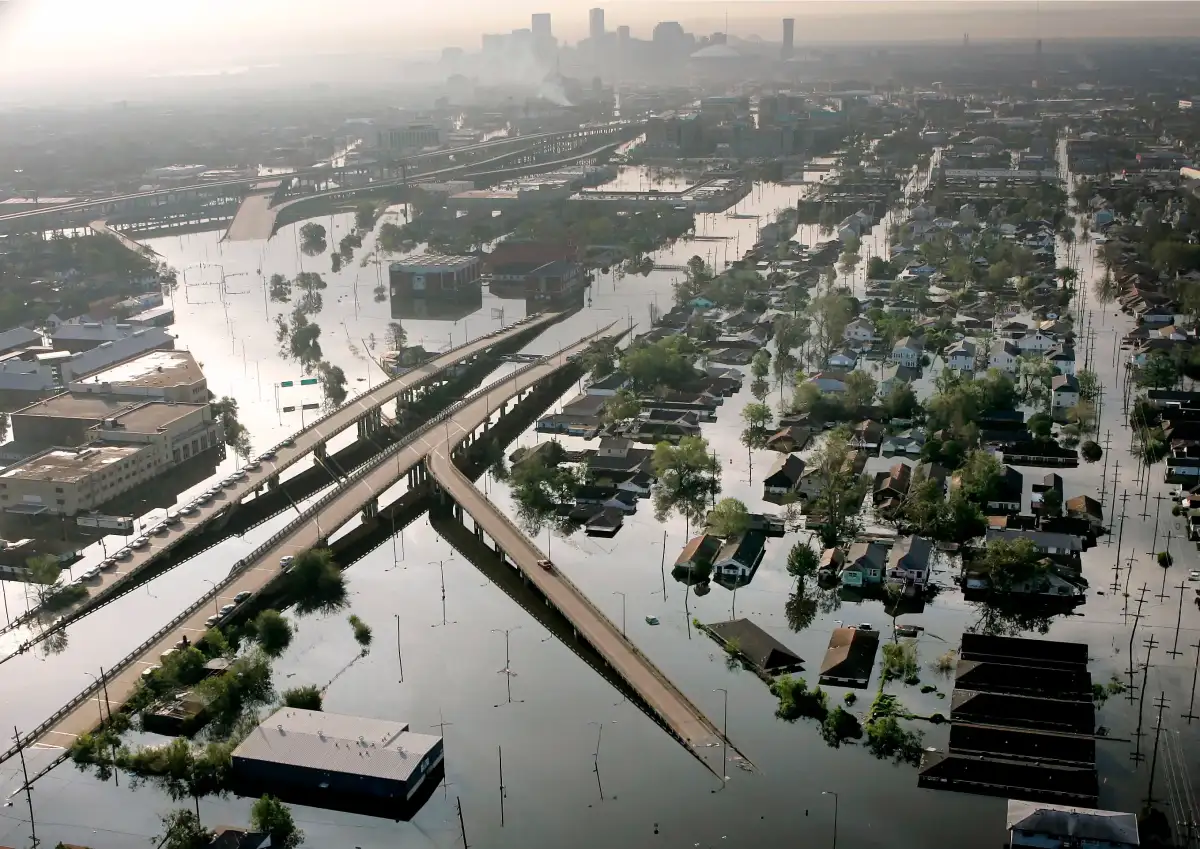
The current anxiety regarding NOAA’s capacity is framed by the two-decade shadow of Hurricane Katrina. Since 2005, there has been a systematic investment in "nested" models—software frameworks that allow localized storm data to interact with broader global climate patterns. This technical evolution has turned the hurricane forecasting machine into a critical piece of national infrastructure.
However, as weather-related disasters—which have cost the U.S. approximately $2.6 trillion since 1980—increase in severity and frequency, the gap between required operational resources and allocated budget appears to be widening. Advocates argue that the system is not merely a line item in a federal budget, but an integrated public safety mechanism. The tension today resides in whether the state will maintain this technological edge or allow it to decay through fragmented funding.