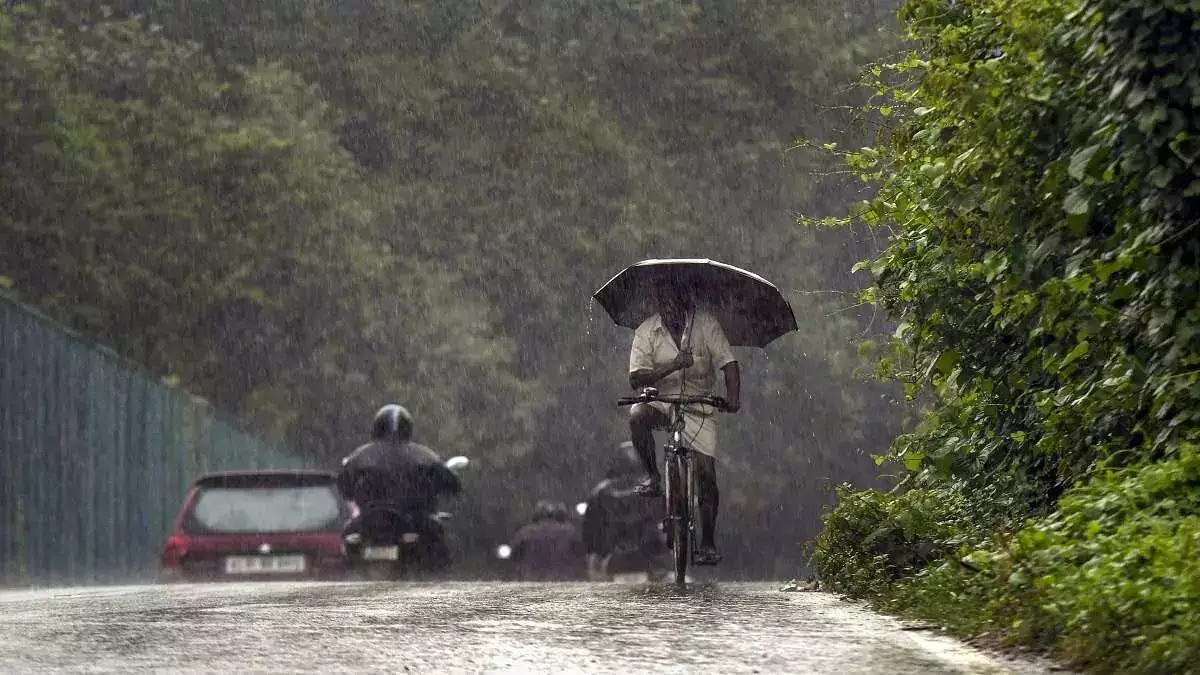
Torrential rains unleashed across the region, triggering flash flooding warnings and disrupting daily life.
South-east Queensland is reeling from a sudden and fierce downpour that has caused significant disruption. The deluge has led to widespread flash flooding, with warnings issued for dangerously high rainfall totals. Residents are bracing for continued wet weather before a shift to clearer skies is anticipated.
The Bureau of Meteorology (BoM) has cautioned that some areas could experience rainfall totals between 50mm and 100mm within six-hour periods, with isolated totals reaching up to 150mm. This has prompted flood watches along the Queensland coast, stretching from Bundaberg down to the New South Wales border, and extending inland to areas like Cunnamulla and Charleville. The intensity of the rainfall has raised concerns about localized inundation of roads, walkways, and properties, potentially leading to extremely dangerous conditions.
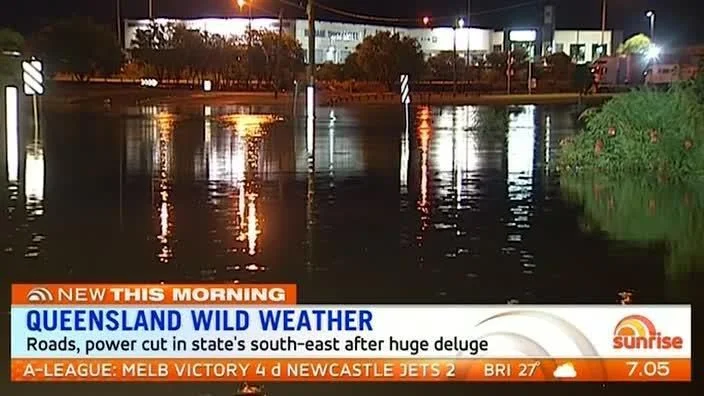
Authorities have warned of possible power outages and significant traffic and transport delays. The heaviest falls recorded so far have been north of the border, with reports of 100mm on the Queensland south-east coast and up to 120mm in the ranges. The severe weather warning encompasses a broad swathe of the region, from Coolangatta on the border, north to Maryborough, and as far north-west as Monto.
Read More: Mumbai Red Alert July 2026 Causes School Closures and Train Delays
Context: A Week of Extreme Weather
This event is part of a broader pattern of extreme weather that has battered Australia's eastern states recently. Earlier in the week, severe thunderstorms and intense localised rainfall struck Victoria, with the State Emergency Service reporting over 670 calls for assistance, more than 130 of which were flood-related. Parts of Queensland, New South Wales, the ACT, Victoria, Tasmania, and South Australia have all recorded their heaviest rainfalls in years. Experts note that these heavy falls in Brisbane were a result of slow-moving storms over the area, underscoring the need for preparedness during the storm season.
Read More: Minister denies children sleep on office floors in Queensland 2026