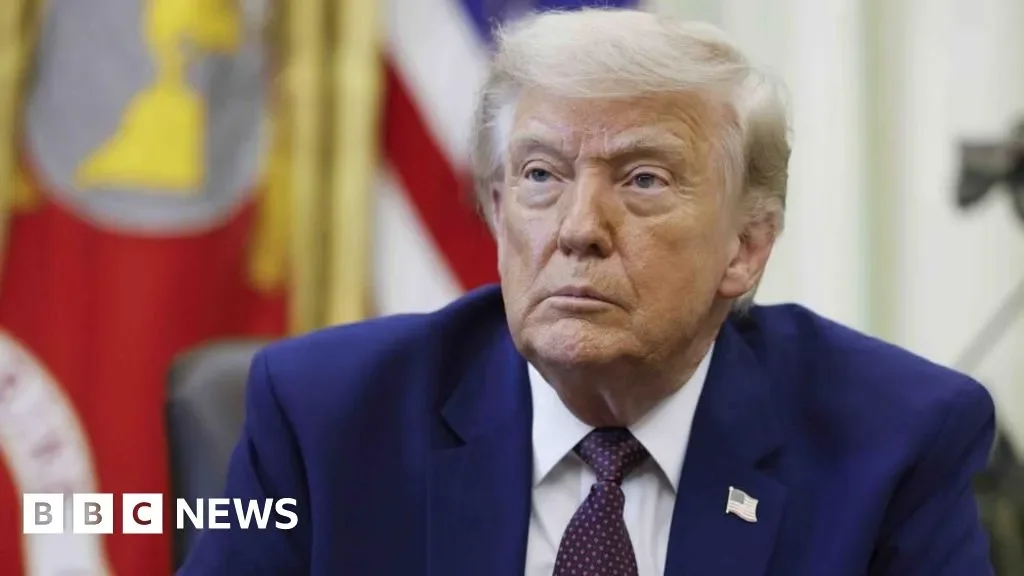
On Wednesday, the US House of Representatives advanced a measure aiming to constrain President Trump's authority on military actions. The vote, a war powers resolution, passed by a narrow margin of 215-208. This legislative move signifies a direct challenge to the executive's unilateral decision-making in armed conflicts, requiring the President to either withdraw US forces or obtain explicit congressional backing for ongoing hostilities.
The resolution's passage saw an unexpected alliance between a bloc of Republicans and the entirety of the Democratic contingent. This unusual unity within the chamber directed an unusually blunt message toward the White House, a sentiment the White House has since dismissed.
Four Republican lawmakers found themselves in the crosshairs of President Trump's public criticism following their support for the resolution. These were Representatives Thomas Massie, Brian Fitzpatrick, Tom Barrett, and Warren Davidson. Trump, in response, labeled these actions as 'unpatriotic', implying a perceived betrayal of party loyalty.
Read More: Taiwan Holds Nantou County Drills to Prepare for State Collapse
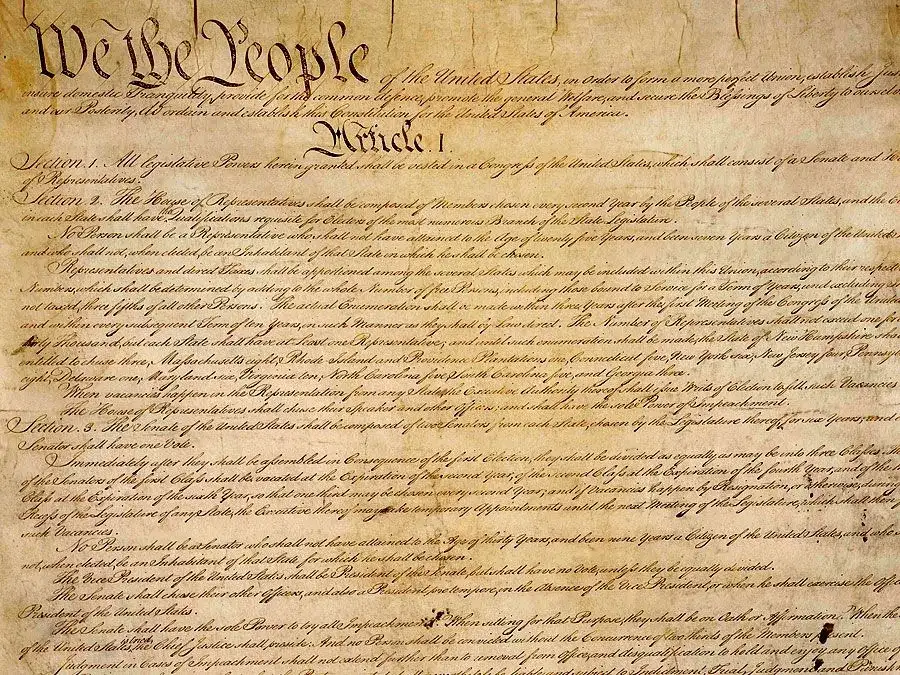
The vote itself is framed by the ongoing escalation of tensions and growing unease within Congress regarding the extent of presidential power in initiating and sustaining military engagements. The War Powers Resolution has historically served as a legislative attempt to reassert congressional oversight in matters of war, a principle often tested by successive administrations.