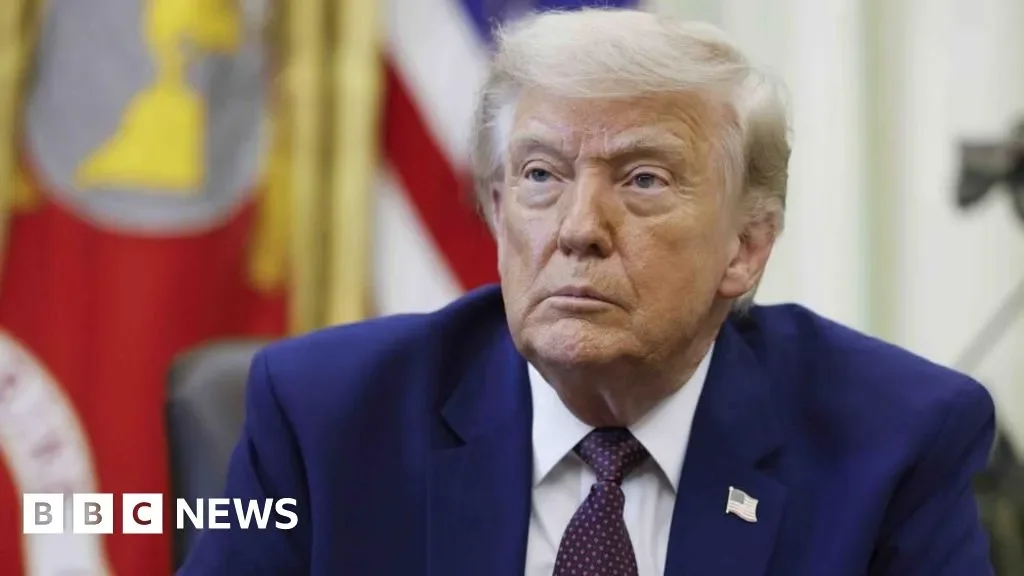
Eight thousand federal workers stand on the precipice of job loss following a sweeping directive from Donald Trump. This action appears to be a retaliation for recent congressional rebukes, specifically a vote that challenged his authority on military action. The sheer scale of the potential dismissals suggests a broader intent to reshape the federal workforce and exert executive control.
The purge is directly linked to a vote in the US House of Representatives on Wednesday. The House, by a narrow margin of 215-208, adopted a war powers resolution aimed at halting Trump's ability to initiate further military action. This measure specifically targets the executive branch's unilateral power to engage in conflicts, requiring congressional approval for sustained military involvement.
The White House, however, has dismissed the merits of the congressional vote, framing it as an unpatriotic obstruction. Trump himself reportedly views the opposition, including that from certain Republicans, as a personal affront. Four Republican representatives – Thomas Massie, Brian Fitzpatrick, Tom Barrett, and Warren Davidson – sided with Democrats on this issue, drawing significant ire from the former president. This bipartisan dissent, though yielding a message from Congress, was met with staunch disapproval from the executive.
Read More: Taiwan Holds Nantou County Drills to Prepare for State Collapse
The ramifications of this 'purge' extend beyond mere personnel changes. It signals a potential restructuring of federal agencies and a tightening of control from the top down. The underlying tensions between the executive and legislative branches, particularly concerning foreign policy and war powers, are now manifesting in direct, tangible consequences for federal employees. The broad scope of the order suggests a desire to consolidate power and enforce loyalty within the government apparatus.