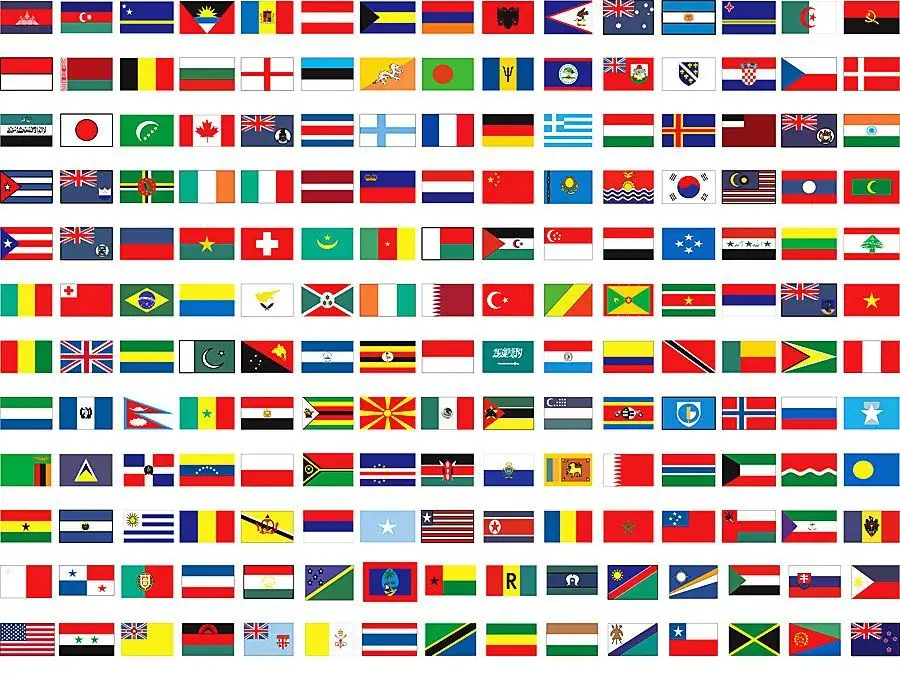
A significant recalibration of international commerce is underway as the U.S. administration under President Donald Trump enacts a broad series of tariffs on global imports. This policy shift, impacting well over 150 countries, represents a marked departure from decades of established free trade principles. The implications are far-reaching, potentially altering supply chains, consumer costs, and the economic relationships between nations. Markets have shown initial volatility, and business leaders are assessing the impact of this new trade reality.

Escalating Trade Tensions and a New Tariff Baseline
The period leading up to late July 2025 saw a notable escalation in trade policy pronouncements from the U.S. administration. President Trump had previously threatened higher tariffs, including a potential 30% levy on European Union imports set to take effect August 1st. This threat followed a period where negotiations with major U.S. trading partners had not yielded comprehensive trade deals.
Read More: US May Add Tariffs on Australian Goods Due to Forced Labour

April 2025: Markets reacted to initial tariff announcements, with reports indicating markets "tumbled." Reciprocal tariffs and additional duties on autos, steel, and aluminum were slated to go into effect on April 2nd, with the EU expected to impose additional tariffs on April 13th.
July 2025: President Trump indicated a general intention to establish a "global baseline tariff" in the range of 15% to 20% for countries without separate trade agreements. This was framed as an increase from a previously announced 10% baseline tariff. Notifications for new tariff rates were reportedly sent to over 150 countries, with an effective date of August 1st, following an extension from an earlier July deadline.
July 27, 2025: A significant development occurred with an agreement reached between U.S. President Donald Trump and European Commission President Ursula von der Leyen. This deal, finalized at Trump's golf resort in Scotland, established a 15% tariff on most European goods imported into the U.S. This agreement aimed to avoid a steeper 30% tariff previously threatened.
July 28, 2025: News outlets widely reported on the implications of these new tariff structures. The U.S.-EU deal was characterized as a step towards stability, though it fell short of the EU's initial goal of tariff-free trade.
The U.S.-EU Tariff Agreement: A Closer Look
The agreement between the United States and the European Union represents a pivotal moment in their trade relationship. A 15% tariff is to be applied to the majority of European imports into the U.S. This rate is a substantial increase from the pre-Trump average U.S. tariff of approximately 1% on European goods.

Scope and Exceptions: While the 15% rate covers most goods, specific sectors remain under different arrangements. The existing 50% U.S. tariff on imported steel is set to remain in place. Discussions around semiconductor tariffs were ongoing, with potential announcements expected in the coming weeks.
Comparison to Previous Rates: The 15% rate is noted as lower than the previously threatened 30% hike. It also compares to the 27.5% tariff previously applied to cars from all countries, which included a 25% U.S. tariff and a pre-existing 2.5% U.S. auto tariff.
Non-Tariff Barriers: The European Commission has committed to reducing non-tariff barriers. This includes potential regulatory changes to accept U.S. auto safety standards, facilitating direct sales of American vehicles into EU markets. Reforms to EU agricultural regulations are also being considered to allow greater access for U.S. farm produce, though specific details are pending.
Official Statements: Leaders involved, including President Trump and President von der Leyen, described the meeting as initially challenging but ultimately resulting in a "good and satisfactory" outcome. One perspective suggested that while 15% presents a challenge for some, it preserves market access to the U.S.
Broader Global Impact and Varying Rates
The 15% U.S.-EU tariff rate is part of a wider policy framework affecting numerous countries. Reports indicate that President Trump plans to apply tariff rates of 10% or 15% to over 150 countries.
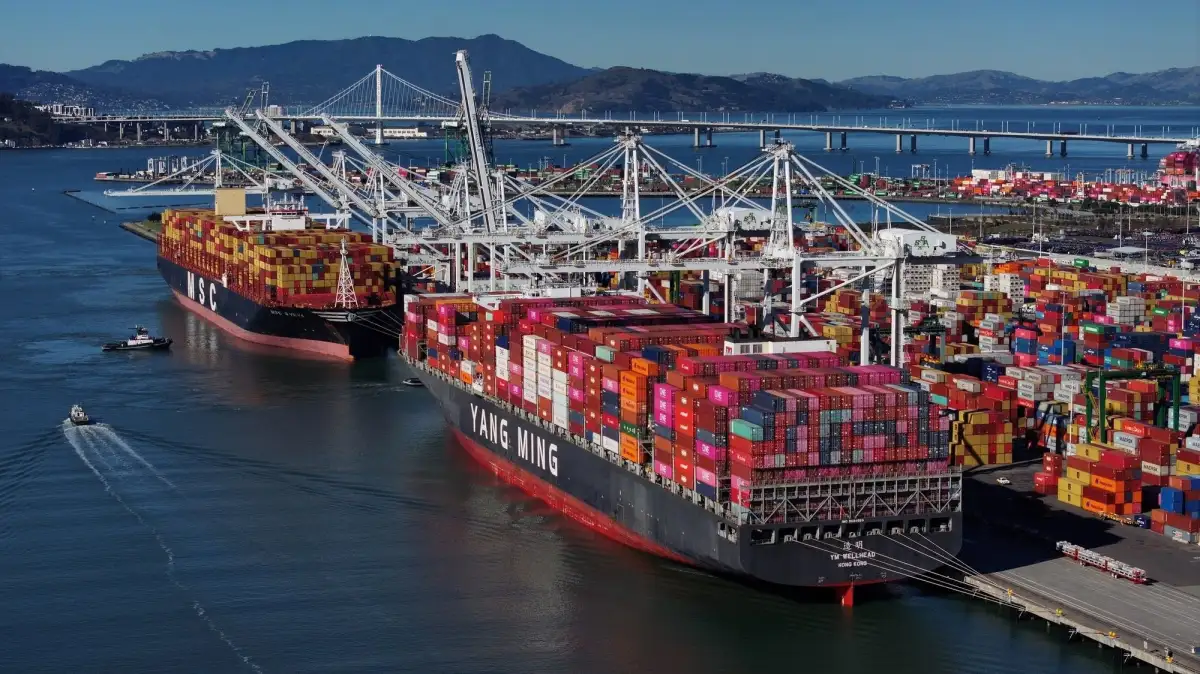
Country-Specific Tariffs: While a general baseline is being established, some nations face specific, potentially higher, tariffs. Canada, for example, is reportedly facing a 35% tariff on certain goods.
Uncertainty on Exemptions: Questions remain about which specific goods or services will be exempt from these new tariffs and which countries might face the highest rates under this evolving regime.
Retaliation Concerns: The imposition of these tariffs raises the prospect of retaliatory measures from other nations, a factor that has historically influenced global trade dynamics.
Automotive Sector Impact: The U.S. automotive sector, ostensibly a beneficiary of protectionist policies, has voiced concerns. Reports suggest that even with recent deals, American automakers may face higher import taxes than their Japanese counterparts due to existing auto duties.
Expert Analysis and Market Reactions
The economic consequences of these widespread tariffs are a subject of ongoing evaluation. Initial market reactions indicated a downturn following earlier tariff announcements.
"Markets initially tumbled in early April, when Trump announced higher-than-expected tariffs on U.S. trading partners. A new reality is settling in for the global economy: President Donald Trump’s tariffs are here to stay." - NBC News
The long-term effects are considered substantial, marking a significant departure from a long-standing global consensus around free trade. The durability of these tariffs and their cumulative impact on global supply chains and consumer prices are key areas of observation.
Read More: AFP Reviews War Crime Claims Against Australian in Gaza
Findings and Ongoing Developments
The U.S. administration has demonstrably shifted its trade policy towards a more protectionist stance, characterized by the implementation of significant tariffs on a global scale. The agreement with the European Union, setting a 15% tariff on most goods, is a primary example of this new approach.
Key Tariffs: A 15% tariff is now in place for most European imports to the U.S., with the exception of certain goods like steel.
Broader Application: This policy extends to over 150 countries, with some facing distinct tariff rates.
Departure from Norms: The strategy marks a considerable departure from established free trade principles and has generated volatility in global markets.
Remaining Questions: The specifics of tariff exemptions, the precise impact on various industries, and the potential for retaliatory actions by other nations remain subjects of active scrutiny. The long-term economic consequences of this comprehensive tariff regime are yet to be fully understood.
Sources Used:
NBC News: Published July 28, 2025. Reports on the long-term implications of Trump's tariffs and market reactions. https://www.nbcnews.com/business/economy/trump-tariffs-are-here-to-stay-why-what-to-know-rcna221571
CNBC: Published July 28, 2025. Quotes President Trump on the likely global baseline tariff rate. https://www.cnbc.com/2025/07/28/trump-world-tariff-trade.html
Business Standard: Published July 28, 2025. Details the U.S.-EU 15% tariff deal, exceptions, and compares it to previous rates. https://www.business-standard.com/world-news/us-eu-trade-deal-tariffs-energy-investment-donald-trump-von-der-leyen-1250728002271.html
trans.info: Published July 28, 2025. Analyzes the U.S.-EU deal, mentioning leaders' statements and non-tariff barrier commitments. https://trans.info/en/eu-us-15-tariff-deal-415394
CBC News: Published July 27, 2025. Reports on the framework agreement for the U.S.-EU trade deal and previous tariff threats. https://www.cbc.ca/news/world/us-eu-trade-deal-tariff-1.7595078
Marketplace: Published shortly before July 28, 2025 (dated "1 day ago"). Provides historical context on the status of Trump administration tariffs. https://www.marketplace.org/story/2025/04/02/tariff-timeline-what-is-the-status-of-the-trump-administrations-tariffs
Business Today: Published July 17, 2025. Discusses President Trump's plans for new tariff rates affecting over 150 countries, including specific mention of Canada. https://www.businesstoday.in/world/us/story/trump-eyes-10-15-tariff-rates-for-more-than-150-countries-484994-2025-07-17
worldscorecard.com: Published shortly before July 28, 2025 (dated "1 day ago"). Poses questions regarding the reasons for U.S. tariffs and potential global reactions. https://worldscorecard.com/world-facts-and-figures/us-tariffs-and-the-world/
CNN Business: Published July 31, 2025. Addresses the broad scope of new tariffs implemented by President Trump. https://www.cnn.com/2025/07/31/business/tariffs-trade-trump-deadline
NBC News: Published July 27, 2025. Reports on the U.S.-EU agreement to a 15% tariff, noting exceptions and the challenging nature of negotiations. https://www.nbcnews.com/business/business-news/us-european-union-trade-deal-tariff-rate-fifteen-percent-rcna218380