SANCTIONS TIGHTEN AS CEASEFIRE DEADLINE LOOMS
The United States has terminated a temporary easing of sanctions on Iranian oil, signaling a return to "maximum pressure" tactics. This move comes as a two-week ceasefire nears its expiration, with no immediate clarity on further negotiations. The US Treasury Department confirmed Tuesday (April 14, 2026) that a short-term authorization for the sale of Iranian oil already at sea would not be renewed, impacting potential revenue streams for Tehran.
The core of the situation revolves around the impending expiry of a ceasefire and the US's tightening economic grip on Iran, while simultaneously hinting at renewed diplomatic overtures.
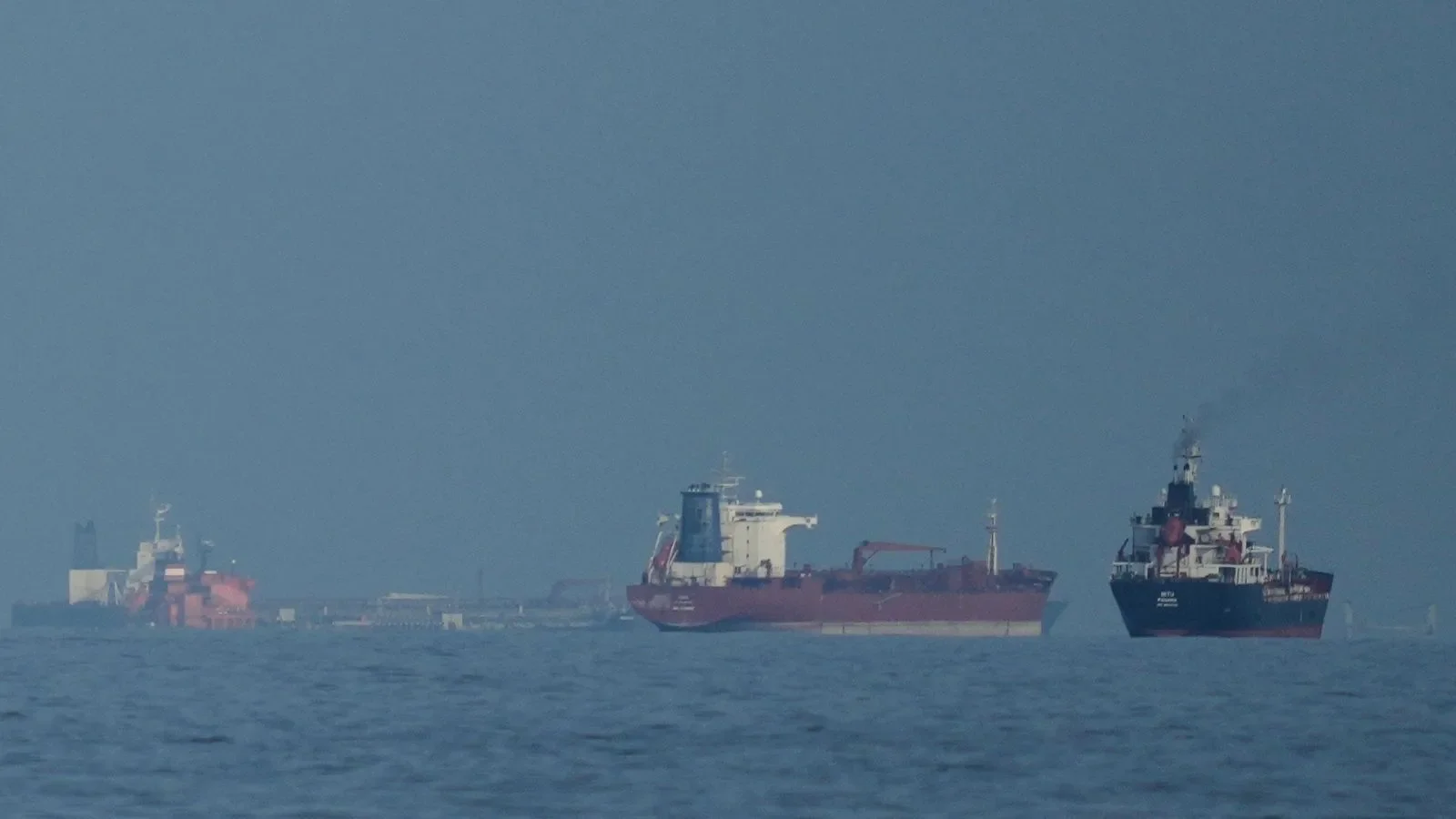
The US Navy has imposed a blockade on Iranian ports, with initial reports from US Central Command (Centcom) stating that no ships successfully passed the restriction in the first 24 hours, and six merchant vessels were turned back. This maritime escalation follows the collapse of recent ceasefire negotiations in Islamabad. Despite the blockade, Iran is reportedly exploring 'alternate ports and shipping routes' to circumvent the disruptions.
Read More: UK Minister Kanishka Narayan Looks at Australia's Online Safety Rules
Donald Trump has indicated that he is "not considering extending the ongoing two-week ceasefire," though he reiterated that a negotiated settlement remains his preferred approach. He also suggested that US-Iran talks could resume in Pakistan within days, a notion echoed by Pakistani and Iranian officials, though no specific schedule has been confirmed.
NUCLEAR STICKING POINT
A major obstacle in any potential renewed talks remains Iran's nuclear program. The US has proposed a "20-year pause" on Iran's nuclear activities, while Iran is reportedly seeking a shorter timeframe, around "five years." This fundamental disagreement casts a shadow over the prospects for a lasting resolution.
REGIONAL TENSIONS PERSIST
Beyond the direct US-Iran dynamic, tensions between Israel and Lebanon continue. Reports indicate the IDF's "bombardment of Lebanon continues," even as Israel and Lebanon held their "first direct talks in decades" in Washington. However, the leader of Hezbollah has reportedly rejected these talks, urging Lebanon to cancel the meeting.
Read More: Trump May Approve Iran Ceasefire Deal as Hormuz Tensions Rise
BACKGROUND NOISE
Amidst the unfolding geopolitical drama, there have been reports of Iran utilizing "Chinese spy satellite[s]" for targeting capabilities against US bases and an incident involving an intercepted UAE-bound container ship from India passing through the Strait of Hormuz. Furthermore, discussions around sanctions on Iranian oil have seen some allies pressuring the US to extend the pause. In unrelated developments, the US military's assertion of maintaining its blockade on Iranian ports holds strong. The Strait of Hormuz remains a critical chokepoint, with over 20 ships reportedly crossing it despite the US blockade.