The United States government has selected five companies to enter "advanced negotiations" for the potential use of surplus plutonium, originating from dismantled Cold War-era nuclear warheads, as fuel for advanced nuclear reactors. This move by the Trump administration signals a significant pivot from previous strategies and could accelerate the deployment of next-generation nuclear power technologies.

The companies identified are Oklo, Exodys Energy, SHINE Technologies, Standard Nuclear, and Flibe Energy. Oklo, a California-based firm, has publicly stated its intention to partner with the European reactor developer Newcleo to process the plutonium into reactor fuel. This initiative, known as the Surplus Plutonium Utilization Program, aims to leverage existing government stockpiles to address a looming challenge for the burgeoning advanced nuclear sector: a shortage of sufficiently energy-dense fuel.
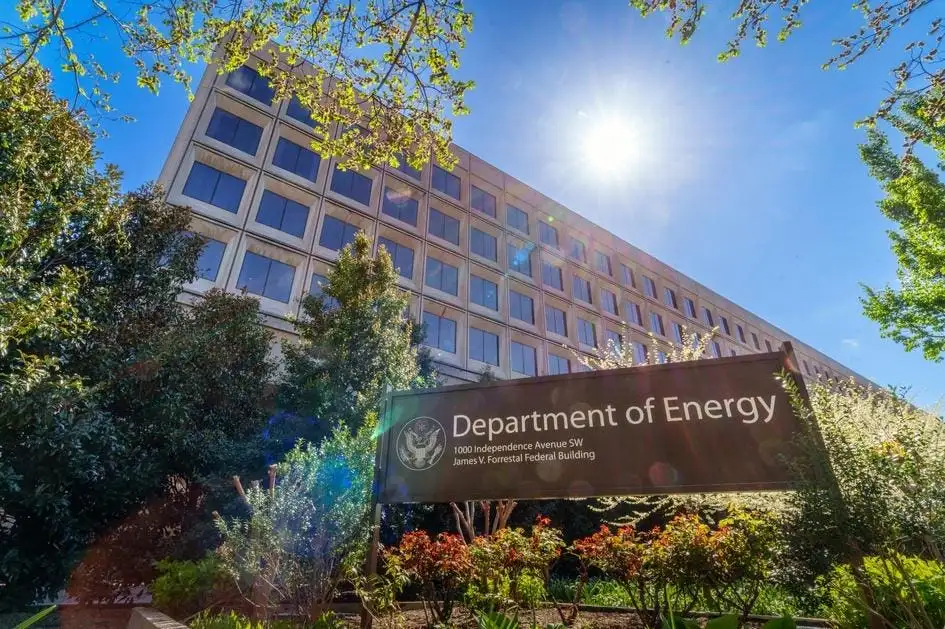
This strategy deviates from the Biden administration's prior approach, which favored diluting and burying the plutonium. The current plan prioritizes repurposing the material, a process that could see approximately 20 metric tonnes of plutonium made available. Energy Secretary Chris Wright's prior affiliation with Oklo as a board member has drawn attention, though the company asserts he resigned and divested his shares upon his confirmation.
Read More: Solaris Energy SEI Stock Price Forecast Reaches $91.98 by July 2027
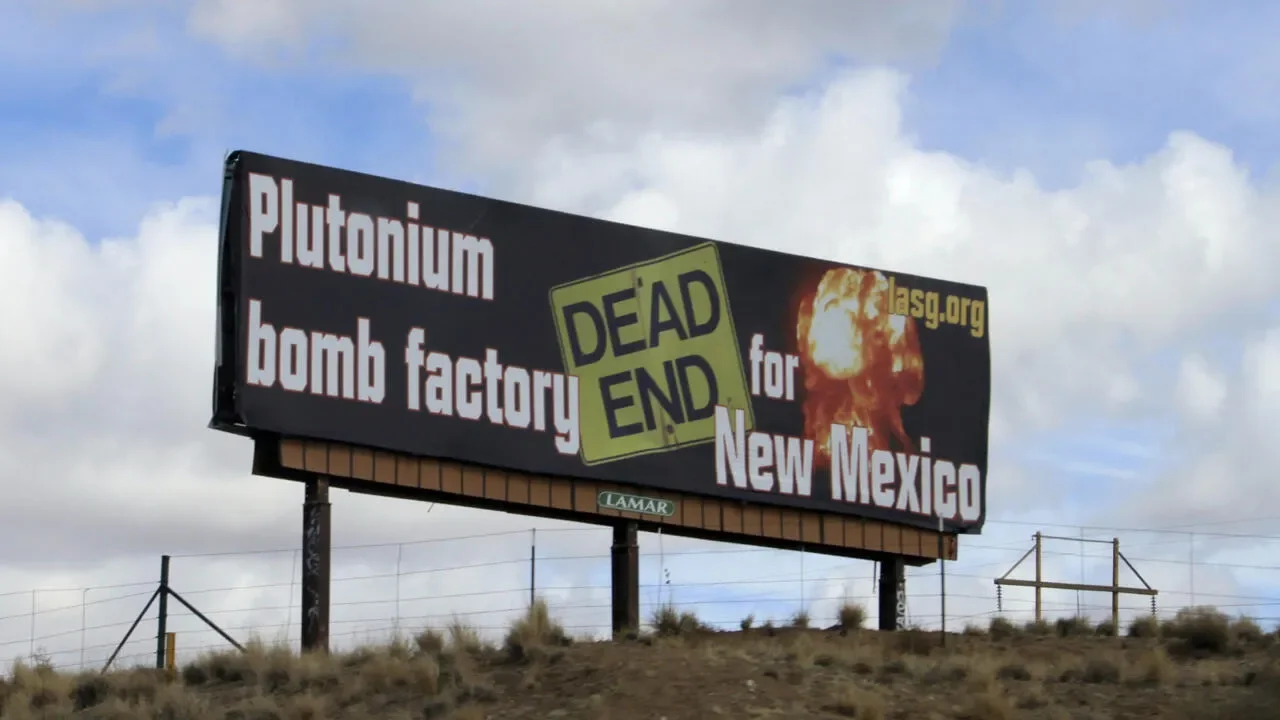
While proponents highlight the potential for advanced nuclear reactors to provide a more potent energy source and an outlet for Cold War relics, concerns have been raised regarding nuclear nonproliferation. Experts caution that repurposing weapons-grade plutonium could inadvertently create pathways for proliferation, potentially encouraging nations without nuclear capabilities to pursue similar technologies with dual-use implications. The nonprofit Nuclear Threat Initiative has voiced alarms about the potential for the creation of more weapons-usable material and the encouragement of weapon development programs.
This shift in policy underscores a broader push by the Trump administration to bolster the nuclear energy sector. The government is also exploring expanded nuclear waste recycling and reprocessing, mirroring practices already in place in countries like France, which harvests plutonium from spent nuclear fuel to create new fuel. The objective appears to be a dual effort: utilizing surplus weapons-grade material and developing domestic capabilities for managing and reprocessing nuclear materials for future energy needs.
Read More: New York Mets vs Atlanta Braves 7 April 2026 NL East game preview