

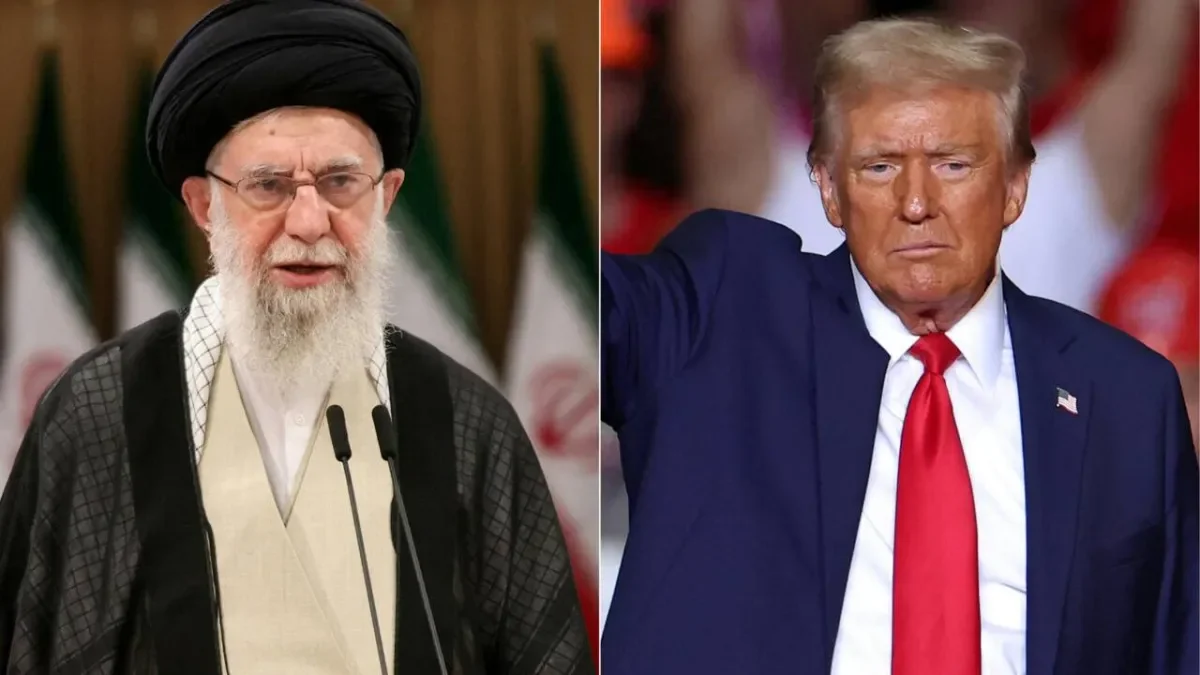
Key events and statements from recent U.S.-Iran nuclear talks in Rome and Oman are being reviewed, with focus on the progress made and the core issues that remain.

Recent days have seen a significant resumption of diplomatic engagement between the United States and Iran concerning Tehran's nuclear program. These high-stakes discussions, occurring in Rome and with mediation from Oman, aim to address a long-standing point of contention. The context is one of underlying friction, marked by past military actions and domestic unrest within Iran, while both nations acknowledge some level of progress.

Background and Timeline of Engagement
The current series of talks follows a period of intensified geopolitical activity.
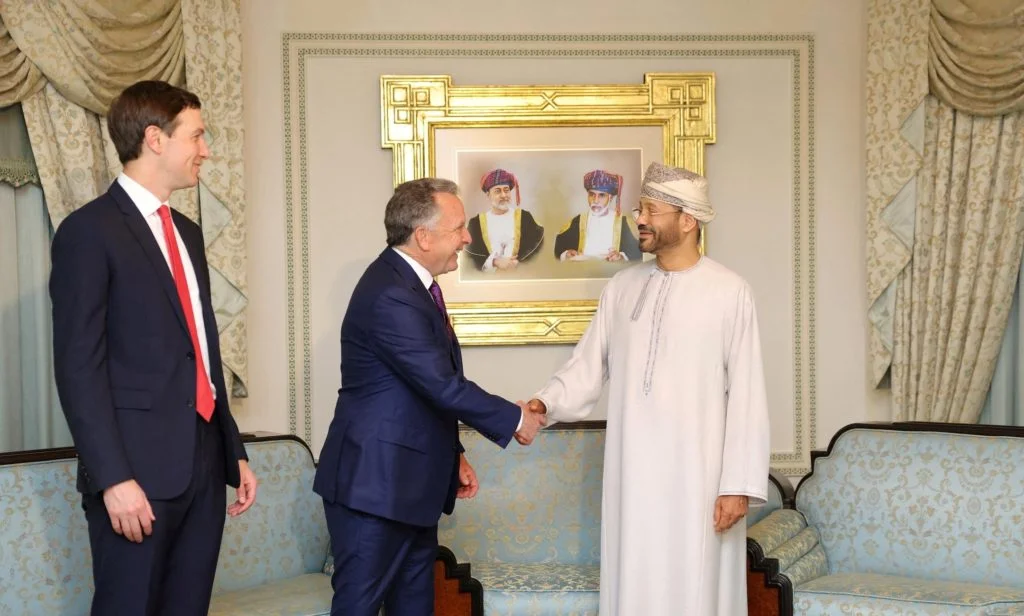
June 2025: An escalation between Israel and Iran led to a 12-day war, during which the U.S. reportedly conducted strikes on Iranian nuclear sites.
Following the War: Five previous rounds of negotiations, held in Rome and Muscat, Oman, were disrupted by these events.
Recent Weeks: Diplomatic channels have been reopened, with indirect talks facilitated by Oman.
A round of talks was held in Oman on Friday (dates vary slightly by report).
A second round of talks occurred in Rome on Saturday.
Expert-level discussions are also being planned to delve into the specifics of a potential agreement.
Core Issues and Stated Positions
The central focus of these negotiations is Iran's nuclear program.
Read More: Kim Jong Un's Daughter May Be Next Leader of North Korea
Iran's Stance:
Tehran consistently asserts that its nuclear program is solely for peaceful purposes.
Iran insists that discussions should exclusively pertain to its nuclear activities, excluding its missile program or support for regional proxies.
United States' Stance:
The U.S. has indicated that President Trump possesses "many options at his disposal."
Discussions reportedly included Iran's "formidable missile program" as a point of contention.
Reported Progress and Future Meetings
Both sides have offered cautious optimism regarding the recent dialogues.
Progress Acknowledged: A senior U.S. official stated that "very good progress" was made during the second round of talks in Rome. Iran's foreign ministry spokesman, Esmaeil Baqaei, also indicated that parties "agreed to resume indirect talks."
Future Engagements:
Technical-level indirect talks are scheduled for the coming days.
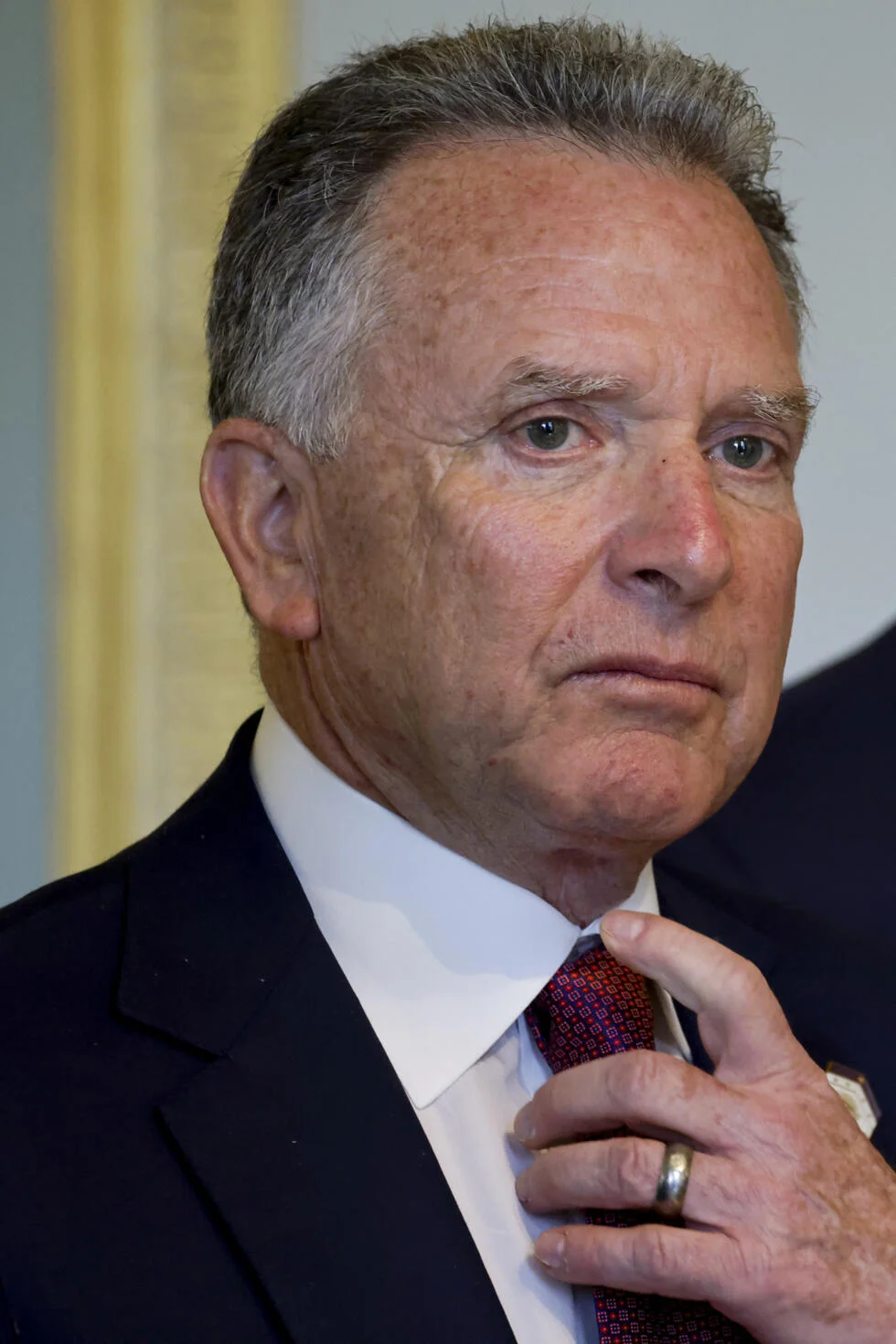
A subsequent meeting between senior negotiators, including Iran's Abbas Araghchi and U.S. envoy Steve Witkoff, is planned for the following Saturday.
Undercurrents and Domestic Context
The negotiations are taking place against a backdrop of significant domestic and regional events.
Read More: Many Countries Disagree with Israel's West Bank Actions
Internal Iranian Dynamics:
Iran experienced a "bloody crackdown on nationwide protests" following the June conflict.
Internal politics remain inflamed regarding the mandatory hijab law, with women reportedly continuing to defy it.
Regional Stability: The talks are occurring amidst "mounting war fears" in the Middle East.
Broader Geopolitical Landscape: The U.S. is also reportedly navigating separate nuclear-related challenges involving China and Russia.
Expert Analysis
Sources indicate that the U.S. Treasury would need to approve any agreement, given existing sanctions on Iran. The effectiveness of any deal would also be contingent on the specifics of its implementation and adherence by both parties.
Conclusion and Outlook
The renewed dialogue between the U.S. and Iran presents an opportunity to de-escalate tensions surrounding Tehran's nuclear ambitions. While both sides report some degree of progress, fundamental disagreements, particularly concerning the scope of discussions and Iran's broader regional activities, remain. The upcoming technical and senior-level meetings will be crucial in determining whether a pathway towards a comprehensive agreement can be forged amidst these complex circumstances.
Read More: People Protest Worldwide Due to Money Problems
Sources Consulted:
Associated Press (AP): Published 6 days ago. Focuses on the resumption of talks, Iran's insistence on peaceful nuclear use, and the disruption caused by recent conflicts.🔗 Link: https://apnews.com/article/iran-us-talks-oman-nuclear-protests-e5fce5e891243b7651cf76d8211f78ae
The Times of Israel: Published 5 days ago. Highlights the indirect talks in Oman, mediation efforts, and the dispute over the agenda, including Iran's missile program.🔗 Link: https://www.timesofisrael.com/us-iran-talks-set-to-kick-off-in-oman-amid-deep-rifts-and-mounting-war-fears/
CNN: Published 5 days ago. Confirms continued talks and Iran's firm stance on nuclear enrichment, referencing past negotiations and military actions.🔗 Link: https://www.cnn.com/2026/02/06/middleeast/us-iran-oman-talks-explained-intl
PBS NewsHour: Published 4 days ago. Reports on the restart of U.S.-Iran nuclear diplomacy after last year's war.🔗 Link: https://www.pbs.org/newshour/show/u-s-restarts-nuclear-diplomacy-with-iran-amid-escalating-threats-heres-what-to-know
France 24: Published April 19, 2025. Details the second round of talks in Rome, reporting progress and agreement for further meetings.🔗 Link: https://www.france24.com/en/live-news/20250419-iran-us-to-hold-second-round-of-high-stakes-nuclear-talks-in-rome
NPR: Published April 19, 2025. Mentions plans for expert-level talks following the second round of negotiations in Rome and the economic considerations for Iran.🔗 Link: https://www.npr.org/2025/04/19/nx-s1-5370060/iran-us-expert-level-nuclear-talks
Al Arabiya English (AAWSA T): Published April 19, 2025. Covers the second round of negotiations in Rome and the historical context of U.S.-Iran relations.🔗 Link: https://english.aawsat.com/features/5134011-what-know-about-tensions-between-iran-and-us-their-second-round-talks
DW: Published 6 days ago. Poses the question of how far Tehran will go for a deal, indicating ongoing analysis of the situation.🔗 Link: https://www.dw.com/en/us-iran-nuclear-talks-how-far-will-tehran-go-for-a-deal/a-75821687

:max_bytes(150000):strip_icc():focal(612x1166:614x1168)/Switzerland-accident-fire-020826-02-7cbc5d49ad0f413883178cfd825a77de.jpg)

