

The U.S. government, through the U.S. International Development Finance Corporation (DFC), has initiated a substantial $20 billion reinsurance program aimed at bolstering maritime trade through the Persian Gulf. This move comes in direct response to a significant slowdown in tanker traffic through the Strait of Hormuz, a critical global energy chokepoint. The program intends to offer political risk insurance and financial guarantees for vessels navigating the region, following a recent surge in attacks on commercial shipping and a subsequent withdrawal of private insurers.
The DFC is working in concert with the U.S. Central Command (CENTCOM) to implement this initiative. Businesses and financial entities seeking coverage are directed to contact the DFC directly. The reinsurance product will initially concentrate on hull, machinery, and cargo insurance, operating on a rolling basis. The program is framed as a utilization of the DFC’s financial tools to ensure the "continued flow of trade" and safeguard global energy security, particularly in the wake of escalating conflict involving the U.S., Israel, and Iran.
Read More: White Falcon Capital Management Sees More Hedge Funds Buying Huntsman Stock
DRIVING FORCES AND OPERATIONAL CONCERNS
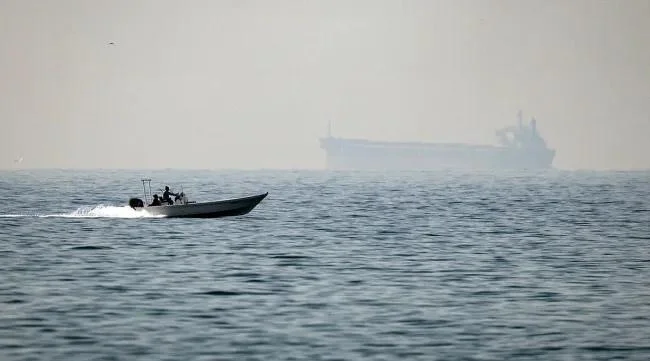
The paralysis in Hormuz shipping stems directly from security anxieties among shipowners. Reports indicate that tanker movements have ceased through the Strait due to concerns over physical safety, not primarily due to a lack of insurance availability, though the insurance landscape has certainly tightened. Several oil tankers have reportedly sustained attacks following recent U.S. and Israeli airstrikes against Iran. This program represents the most significant government intervention in maritime insurance markets seen since the conflict erupted.

The effectiveness of the DFC’s plan hinges on several factors. The speed of deployment and the perception by shipowners of the combined security and insurance environment as acceptable for transit will be crucial. While insurers state war-risk coverage remains available under specific agreements, the overall restrictive insurance climate has undeniably influenced operational decisions. Allies are reportedly looking to Washington for leadership on energy security issues.
Read More: Persian Numbers Radio Broadcasts V32 Raise Spy Speculation in Iran
GOVERNMENT DIRECTIVE AND MARKET RESPONSE
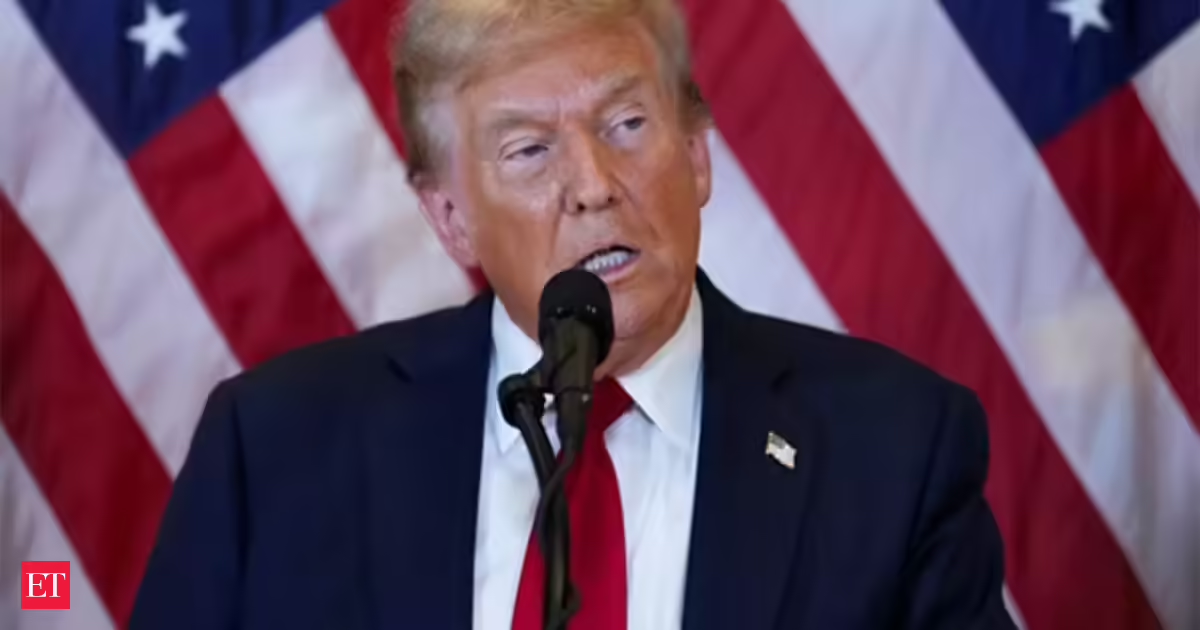
The directive for the DFC to establish this reinsurance program originated from President Donald Trump. It was issued following a dramatic halt in the transit of oil and liquefied natural gas tankers in the Strait of Hormuz, a waterway responsible for approximately 20% of global oil movement daily. The initiative seeks to mitigate the fallout from insurers rapidly retreating from the region amid increasing missile and drone attacks targeting commercial vessels.
Markets have reacted to these developments, with oil prices showing sharp fluctuations. This episode also underscores the world's continued reliance on critical maritime chokepoints like Hormuz. The DFC has indicated it has identified "best-in-class, preferred American insurance partners" for this undertaking.
BACKGROUND CONTEXT
The current situation is a direct consequence of escalating geopolitical tensions in the Middle East, particularly following a recent wave of airstrikes against Iran. The Strait of Hormuz, situated between Iran and Oman, is a vital artery for global energy transportation. Its blockage or disruption has profound implications for international trade and energy markets. The U.S. International Development Finance Corporation (DFC) is the U.S. government's development bank, tasked with partnering with the private sector to finance development projects. This intervention marks an attempt to use its financial leverage to address a perceived national and international security challenge.
Read More: EPAM Systems Stock Drops as AI Threat Worries Investors in Early 2026