


WASHINGTON'S LIMITED SANCTIONS RELIEF FOR INDIA'S RUSSIAN CRUDE PURCHASES
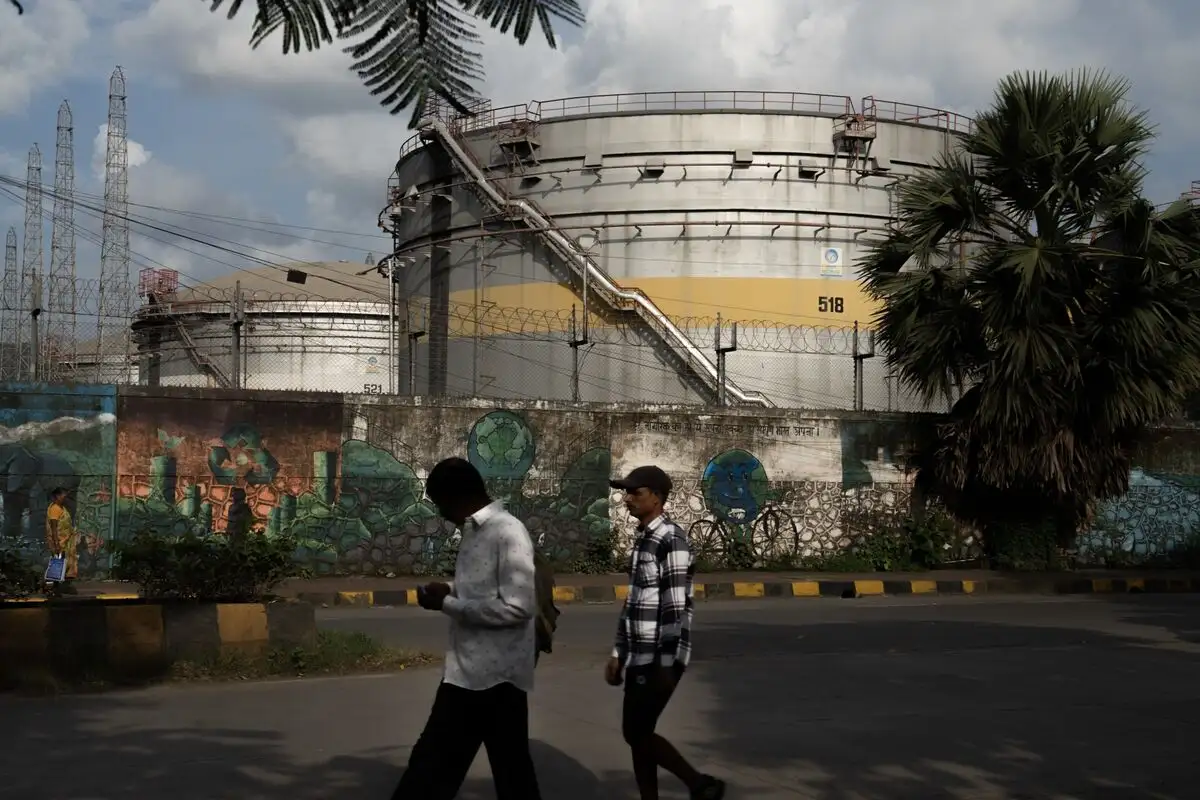
The United States has issued a 30-day waiver, permitting Indian refiners to acquire Russian crude oil currently stranded at sea. This decision, unfolding amidst escalating geopolitical tensions in West Asia, aims to stabilize global energy markets and safeguard key oil supply routes. While providing a short-term reprieve for India's crude procurement challenges, the waiver is viewed as a temporary measure rather than a definitive solution.
The waiver allows for the purchase of Russian crude already in transit, offering near-term relief and aiding refinery operations. However, competition from Chinese buyers for these same barrels could potentially limit the extent of India's benefit. This move comes as part of a broader framework focusing on 'reciprocal and balanced trade' and 'strengthened supply-chain cooperation' between the US and India.
KERALA'S DISPLEASURE WITH UNION GOVERNMENT'S DIPLOMATIC DANCE
The Chief Minister of Kerala, Pinarayi Vijayan, has publicly criticized the Union government's strategy of securing this limited waiver. His remarks suggest a dissatisfaction with the government's approach to managing the complexities arising from India's reliance on Russian oil, especially in light of ongoing international sanctions.
Read More: Oil Prices Jump $3 to $89.44 as Iran Closes Strait of Hormuz on Friday
BROADER IMPLICATIONS FOR INDIA'S ENERGY STRATEGY
The situation highlights the precarious balance India must maintain between its substantial energy needs and its geopolitical relationships. The US waiver offers a buffer against immediate supply chain disruptions and elevated geopolitical risks, potentially reshaping near-term trade flows and the pricing dynamics of Russian crude.

Tariffs and sanctions imposed on Russian crude last year had already prompted Indian refiners to adjust their import strategies, reducing their intake of Russian barrels. Renewed, albeit temporary, access to these barrels could bolster feedstock security and improve refinery margins.
THE US-INDIA RELATIONSHIP UNDER STRAIN
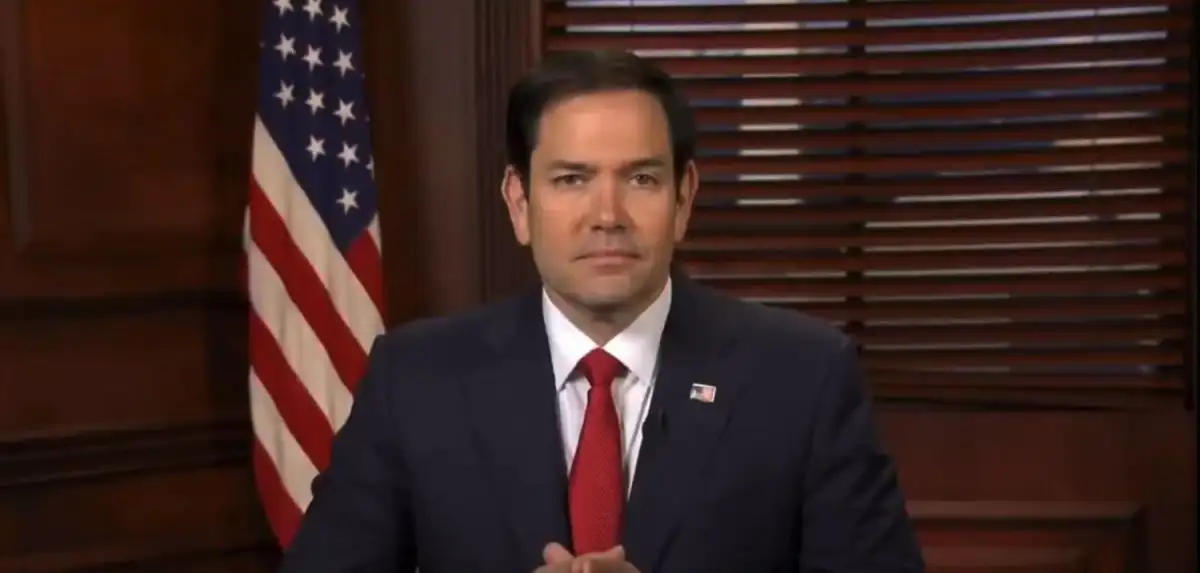
The US waiver arrives against a backdrop of strained relations, punctuated by previous US actions such as President Trump's imposition of a 25% tariff on Indian goods. US Secretary of State Marco Rubio has previously characterized India's significant oil purchases from Russia as a "key irritant" in bilateral ties, noting that such revenues could be used to fund Russia's war efforts. His comments underscored that India's purchases were driven by the allure of "sanctioned and cheap" oil.
Read More: Canada and Japan sign new defence and tech deal in Tokyo on March 6th
INDIA'S RESPONSE TO INTERNATIONAL PRESSURE
India's Ministry of External Affairs has previously countered such criticisms, noting that "the very nations criticizing India are themselves indulging in trade with Russia," a trade that, unlike India's, is not a "vital national compulsion." This assertion points to a perceived hypocrisy in the international pressure exerted on India's energy procurement policies.
BACKGROUND: A SHIFTING ENERGY LANDSCAPE
For years, India has been a major buyer of Russian crude, a trade lifeline that significantly fueled both economies. However, recent US sanctions targeting major energy firms like Rosneft and Lukoil are anticipated to drastically curtail these flows. Senior Indian refinery executives anticipate that Russian oil's share in India's crude imports, which stood at approximately 36% this year, could "collapse to near zero." This impending reduction deepens existing tensions with Washington, following earlier tariff threats and explicit calls for India to curb its Russian oil consumption. The context of the ongoing 'West Asia conflict' adds another layer of volatility to an already complex global energy market.
Read More: India Has Enough Energy Reserves Despite West Asia Tensions