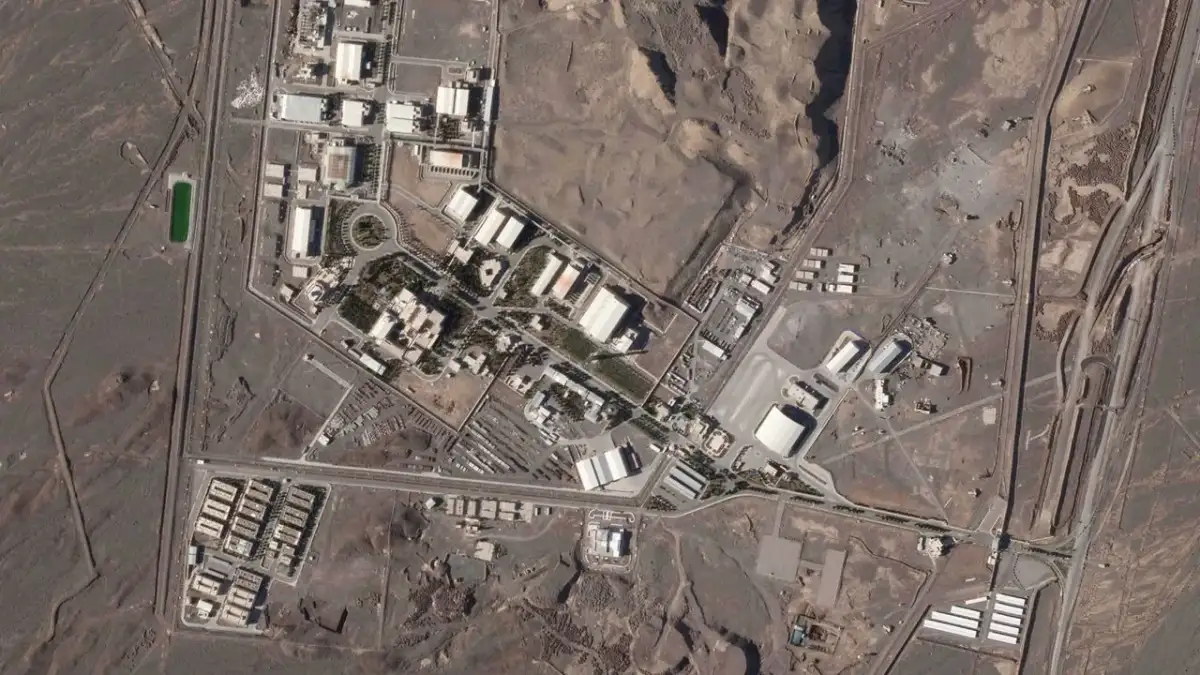
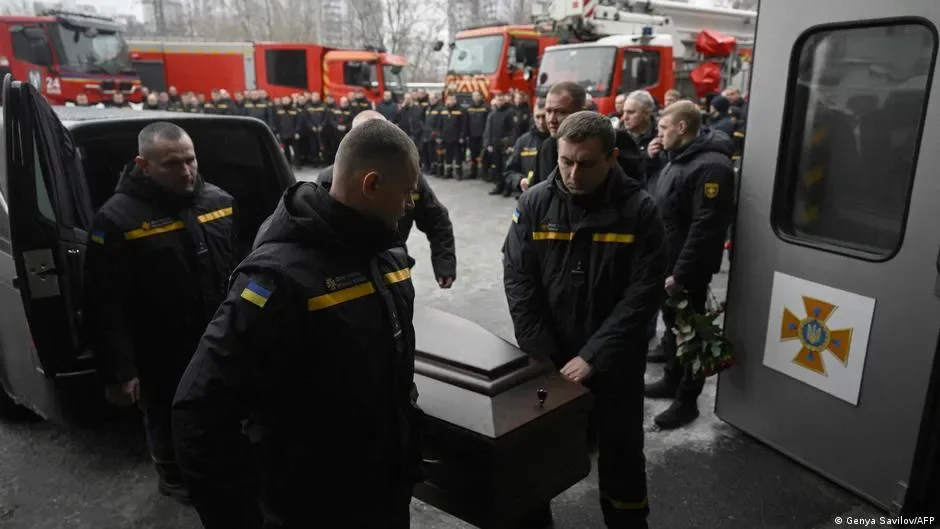
A series of enigmatic shortwave radio transmissions, broadcasting numbers in Persian, have surfaced, prompting speculation that they could represent coded instructions for intelligence operatives in Iran. The broadcasts commenced on the same day as military actions by the United States and Israel against Iran. Amateur radio operators, monitoring these transmissions, have dubbed the station "V32" and noted its strong signal across Europe and parts of North America.
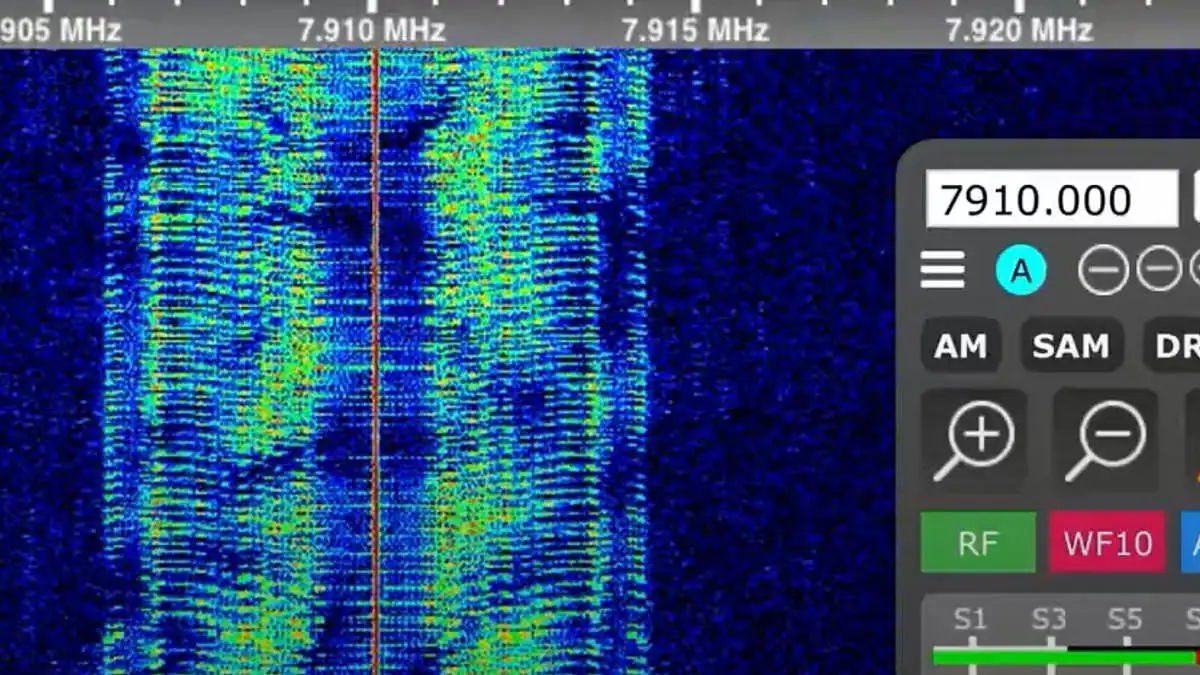
These numbers stations, a practice reminiscent of Cold War espionage, transmit sequences of numbers or letters read by a voice, often with an underlying tone. Unlike modern digital communications, shortwave radio bypasses internet infrastructure, SIM cards, and identifiable endpoints, making it a persistent method for clandestine communication. The recent emergence of V32, broadcasting in Farsi, aligns with the historical use of such stations by intelligence agencies to communicate with agents operating in hostile territories, where traditional communication channels might be compromised or too traceable.
Read More: Iran Zagros Mountain Nuclear Site Construction Update April 2026
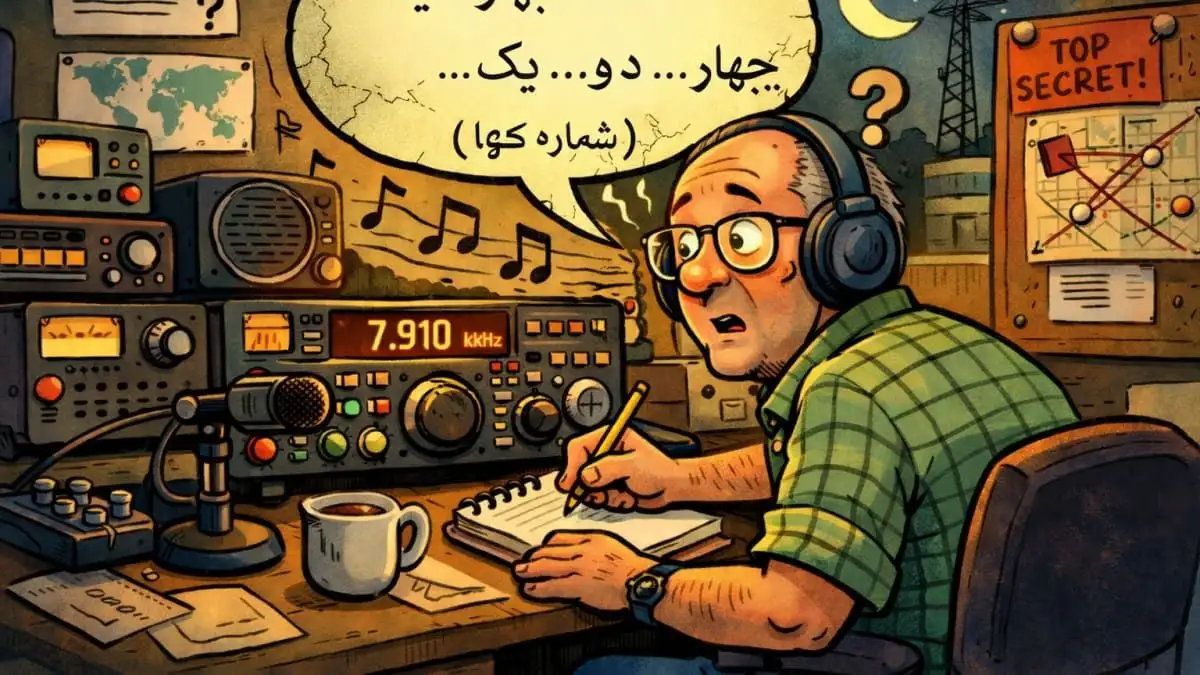
The Unfolding Mystery of V32
The phenomenon of "numbers stations" is not new; they have been documented since at least World War I. These stations broadcast seemingly endless streams of encoded messages, with the prevailing theory suggesting they serve as a method for intelligence agencies to issue directives to covert agents. The V32 signal, characterized by a male voice reciting numbers at a steady pace, is reportedly heard at specific times: 02:00 UTC and 18:00 UTC, on the frequency 7910 kHz USB. Listeners have logged its presence from various locations, including Jacksonville, North Carolina and Florida, eastern Canada, and across Europe.

Intelligence Agencies and Coded Communication
The appearance of V32 coincides with a period of heightened geopolitical tension and US intelligence outreach. The CIA has recently issued public appeals in Farsi via social media platforms, including X, Instagram, Facebook, Telegram, and YouTube, to encourage Iranians to establish secure contact. These appeals provide instructions for safe communication, advising individuals to avoid using work computers or personal mobile phones. This outreach underscores the agency's interest in gathering information from within Iran, employing various methods to facilitate secure information flow.
Read More: Pakistan ISI Used Chinese Cameras for India Spy Operation

Historical Context and Modern Relevance
While cyber espionage and encrypted messaging are prevalent today, coded radio broadcasts persist as a viable, albeit anachronistic, means of communication. The very nature of shortwave radio—its independence from digital infrastructure—renders it resistant to conventional surveillance methods. This reliance on analog signals and codebooks offers a layer of deniability and security that modern digital systems, despite their encryption, may not fully provide. The emergence of V32, broadcasting in Persian, adds another layer to the enduring mystique of numbers stations, continuing to capture the attention of radio enthusiasts and intelligence observers alike.