


The Palace of Westminster, a venerable monument to UK democracy and a fixture on the Thames, is slated for a colossal refurbishment. Estimates place the potential cost at a staggering £40 billion, with projected completion times stretching beyond six decades. Two main options are on the table, each with significant implications for parliamentary business and the public purse.
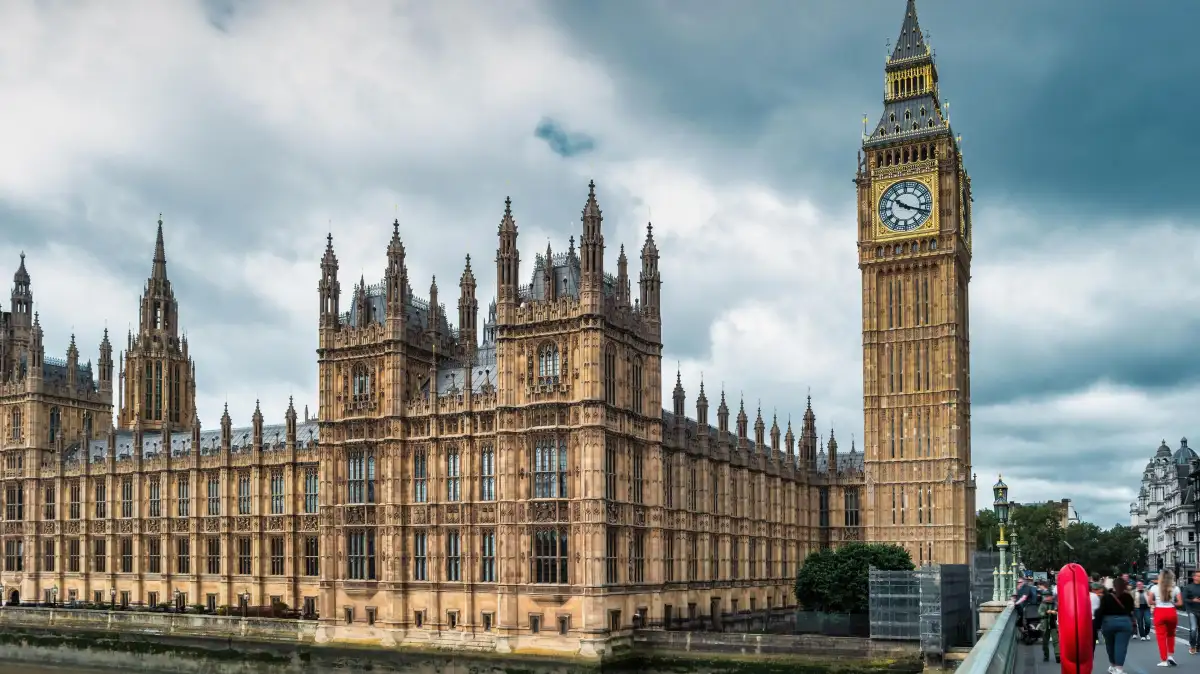
The core of the debate centers on two proposed pathways for the extensive repairs. Option 1, dubbed "full decant," would involve relocating both the House of Commons and the House of Lords for an extended period – possibly eight to ten years for MPs and up to fifteen years for peers – while extensive work is carried out. Option 2 proposes a more fragmented approach, undertaking repairs in stages while parliamentarians remain in situ, a method previously ruled out by the restoration board.
Read More: North Carolina Senate Candidate Continues Campaign After Arrest at Hearing
Despite the eye-watering figures, Simon Thurley, chair of the Parliament's Restoration and Renewal (R&R) Client Board, has defended the estimated costs, deeming them not "completely ridiculous." However, this perspective faces significant opposition. Jesse Norman, Shadow Leader of the House of Commons, has lambasted the proposals, describing them as requesting approval for "eye-watering expenditures of up to £19 billion" with "unclear governance, limited scrutiny and low confidence of effective project or cost management." Norman warns that the figures appear "an order of magnitude higher than any current public expectation" and cautions against a rushed decision, fearing a "disastrously adverse public and political reaction."
A Decade in the Making, Decades to Go
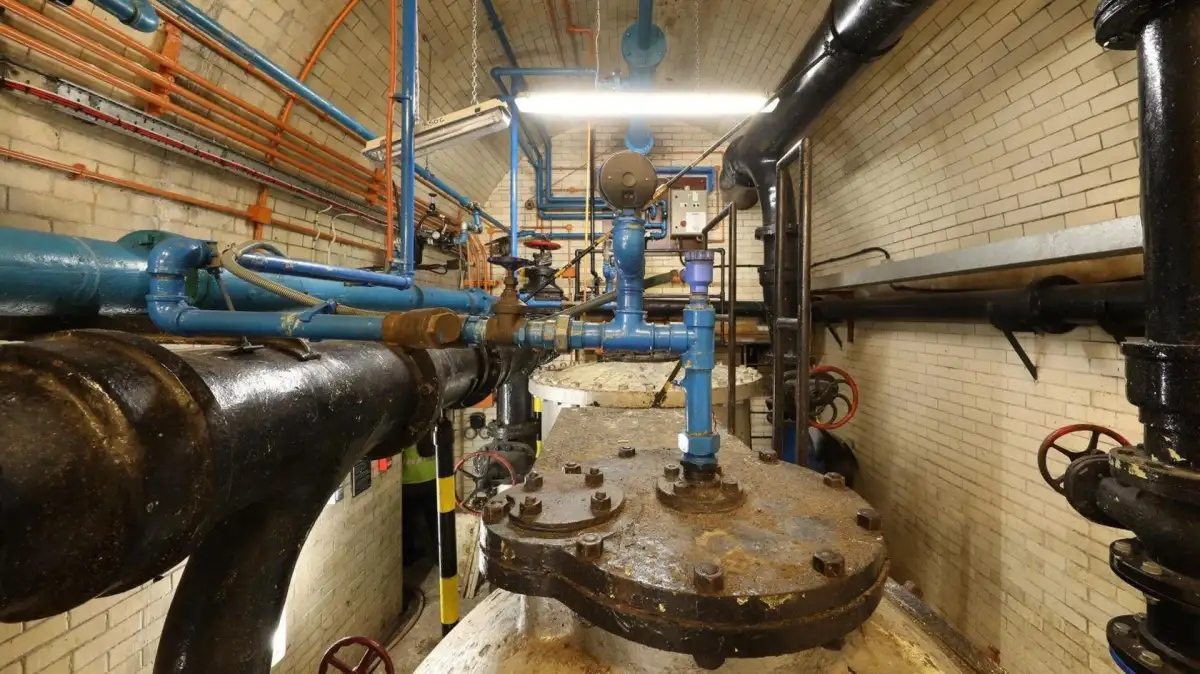
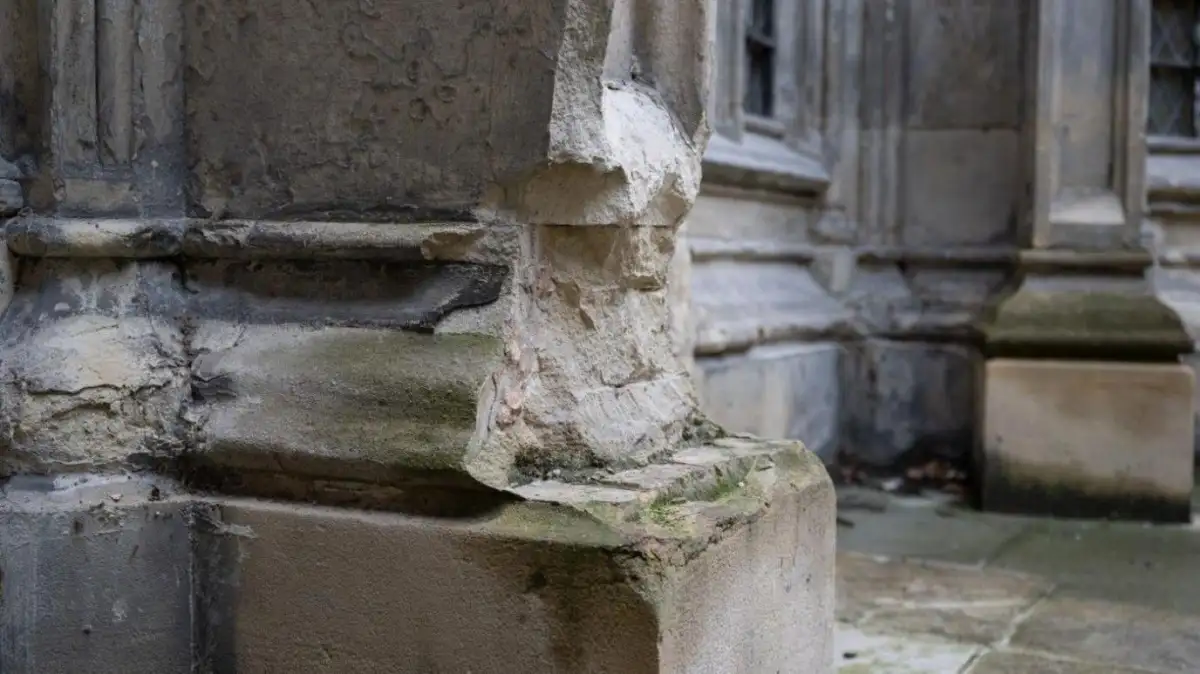
The current predicament is not a sudden crisis but the culmination of years of deliberation. Plans for the restoration have been "mooted" for about a decade, with MPs voting eight years ago to fully vacate the Charles Barry-designed complex. Yet, action has faltered, leaving the historic building in a state of disrepair. The urgency is underscored by reports of "falling masonry, lingering asbestos, regular fires and exploding toilets." Engineers have been actively mapping geological conditions around the Thames, preparing for deep-ground investigations.
Read More: Lord Mandelson released from bail, investigation into misconduct continues
Two Paths, One Uncertain Future
The R&R Client Board has now narrowed the choices to these two distinct options. The "full decant" scenario envisions temporary accommodation and even a new jetty on the River Thames for deliveries, a substantial undertaking in itself. The staged approach, while seemingly less disruptive to parliamentary function, was reportedly dismissed earlier.
"This will give members of both houses a genuine choice between two options with differing approaches to decant when they are asked to make a final decision, no later than 2030, on the preferred model for delivering the full restoration of the building."
This quote, attributed to a statement framing the decision-making process, highlights the looming deadline for a definitive choice. The custodians of this "historic symbol of our nation" are tasked with safeguarding its future.
The Grand Designs and the Unseen Costs
The proposed works include ambitious elements like "spacious underground atriums with expansive glassy ceilings" and new courtyards. However, the details of project governance and cost management remain points of contention. Concerns have been raised that the process might be an attempt to "rush" parliamentarians into a decision, potentially jeopardizing public and political confidence not just in the refurbishment project, but in Parliament itself. It's also noted that under neither proposed option would the parliamentary bar, a hub of political machinations, remain open.
Read More: Andhra Pradesh MLAs Salaries Questioned Amid Assembly Absence
The Palace of Westminster, a structure largely dating from the Victorian era with even older components, has not seen a comprehensive overhaul since post-WWII repairs. The escalating controversy and the sheer scale of the proposed expenditure place a significant spotlight on the future of this iconic edifice and the decision-making process that will ultimately determine its fate.